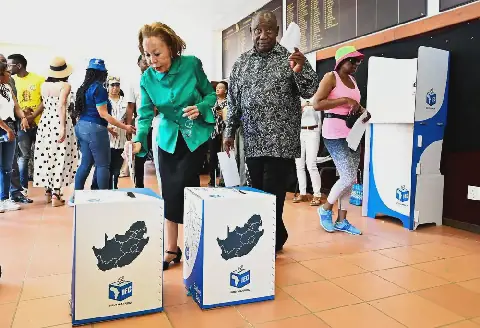
On election day, a group of young people aged 18 to 20 arrived at the Orthodox Ethiopian Church voting station in Joza's Ward 11, only to find out they could not vote because they had not registered during the earlier registration periods. Some of these young individuals expressed that they were unaware of the registration periods, while others did not know where to register. This situation raised concerns about how effectively registration information reaches first-time voters in the community.
Siphosethu Matuhumza, a 20-year-old first-time voter, was among those who could not cast their ballots. He expressed disappointment and a desire to participate in the elections, stating that he wished to be part of the voting process. Matuhumza mentioned that he had not known when voter registration was open and hoped for another opportunity to register and vote in future elections. His experience highlighted the challenges faced by young people in accessing voter registration information.
Nineteen-year-old Loyiso Lonzi shared a similar experience, having wanted to contribute to electing a party that could address the challenges facing the Makana municipality. Lonzi expressed dissatisfaction with the current state of the municipality, citing poor infrastructure and a water crisis. Despite being unable to vote, Lonzi stated that the experience had made him more determined to participate in the next election, emphasizing the importance of youth engagement in the democratic process.
In contrast, first-time voter Lilitha Gobodo successfully cast her ballot at a polling station. She described the voting experience as nerve-racking but important, highlighting unemployment and infrastructure in Makhanda as key issues that influenced her decision to vote. Gobodo also suggested that opening tender opportunities to young people could help bring about change in the community and improve the lives of unemployed youth.
Several candidates also participated in the voting process, including Zukiswa Mginywa, the Makana Citizens Front (MCF) Ward 11 councillor candidate. Mginywa stated that she chose to contest Ward 11 because she was born there and had served the community as a community health worker for 22 years. Her connection to the community and experience in public service likely informed her decision to run for office.
Other candidates, such as Loyiso Siphosethu Ntshoko, an activist, pastor, and SACP candidate, and Democratic Alliance (DA) candidate Sizwe Booi, also cast their votes. Ntshoko outlined his priorities, which included addressing infrastructure development, tackling the sale of water through the prepaid water-meter system, and restoring the dignity of black people. Booi, on the other hand, emphasized the importance of listening to residents' concerns and conducting door-to-door visits to understand their needs.
The experiences of Matuhumza and Lonzi highlight the importance of making voter-registration information accessible to young people. As first-time voters, they wanted to have a say in decisions affecting their communities and believed their participation could contribute to change in Makhanda. Their stories underscore the need for improved voter registration processes and education to ensure that all eligible voters can participate in the democratic process.
Key points
- Many first-time voters in Makhanda's Ward 11 were turned away from polling stations due to a lack of voter registration.
- Young voters cited a lack of awareness about voter registration periods and locations as a major issue.
- The experiences of these young voters highlight the importance of making voter-registration information accessible to ensure youth participation in the democratic process.