Yiaga Africa, a non-governmental organisation, has called on the Independent National Electoral Commission (INEC) to rectify operational and technological issues identified during a recent nationwide mock accreditation and results upload exercise. The exercise, which was observed at 300 polling units across the country, revealed delays in the delivery of election materials, malfunctioning Bimodal Voter Accreditation System (BVAS) devices, and inconsistencies in polling unit data.
According to Yiaga Africa, only 36% of the polling units had started the exercise by 9:30 a.m., increasing to 64% by 10 a.m., with some units still not operational hours later. In some areas, officials arrived late or were absent. For instance, in the Sanga local government area of Kaduna State, officials arrived at Fadan Karshi I polling unit at 1:40 p.m. In Cross River State, Wanikde Playground had no officials present by 1:30 p.m.
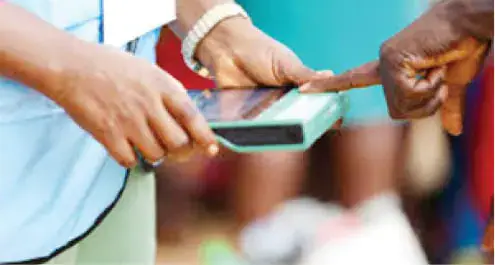
Yiaga Africa also reported issues with voter accreditation, with processing times averaging one to two minutes at 68% of polling units, and 27% taking between three and five minutes. However, some locations faced technical issues, including a polling unit in Lagos where officials arrived with only two out of three BVAS devices, causing delays. In Sokoto, a BVAS malfunction lasted around an hour.
The organisation highlighted discrepancies in the official results posted on INEC's Result Viewing Portal (IReV) versus INEC's records, with a difference of 453 polling units. They called for clarification and reconciliation to enhance transparency. Additionally, 47 Registration Areas did not appear correctly in the IReV system, which could hinder the reporting of results.
Yiaga Africa also raised concerns regarding incidents of vote-buying, reporting that ₦3,000 was allegedly distributed to voters in Akwa Ibom State. A presiding officer at the Majema II unit in Kano reportedly failed to upload results to IReV as required. These findings underscore the need for INEC to enhance technical support and ensure secure connectivity for BVAS devices.
The organisation urged INEC to address these issues ahead of the 2027 general elections, recommending that future mock exercises include units with higher voter turnout to better test the system. Yiaga Africa's board chairman, Dr. Hussaini Abdu, and Executive Director, Samson Itodo, emphasised the importance of rectifying these issues to ensure a smooth electoral process.
INEC has yet to respond to Yiaga Africa's findings, but the organisation's report highlights the need for the commission to take proactive steps to address these issues. The 2027 general elections are expected to be a major test of INEC's capabilities, and addressing these technical and operational issues will be crucial to ensuring the integrity of the electoral process.
Key points
- Yiaga Africa observed the mock exercise at 300 polling units across the country.
- The organisation reported delays in the delivery of election materials, malfunctioning BVAS devices, and inconsistencies in polling unit data.
- Yiaga Africa urged INEC to enhance technical support and ensure secure connectivity for BVAS devices ahead of the 2027 general elections.
Reporting sources
- Yiaga Africa: Mock Exercise Reveals Flaws in BVAS and Results Upload – Daily Trust · sierraleonetoday.co.com