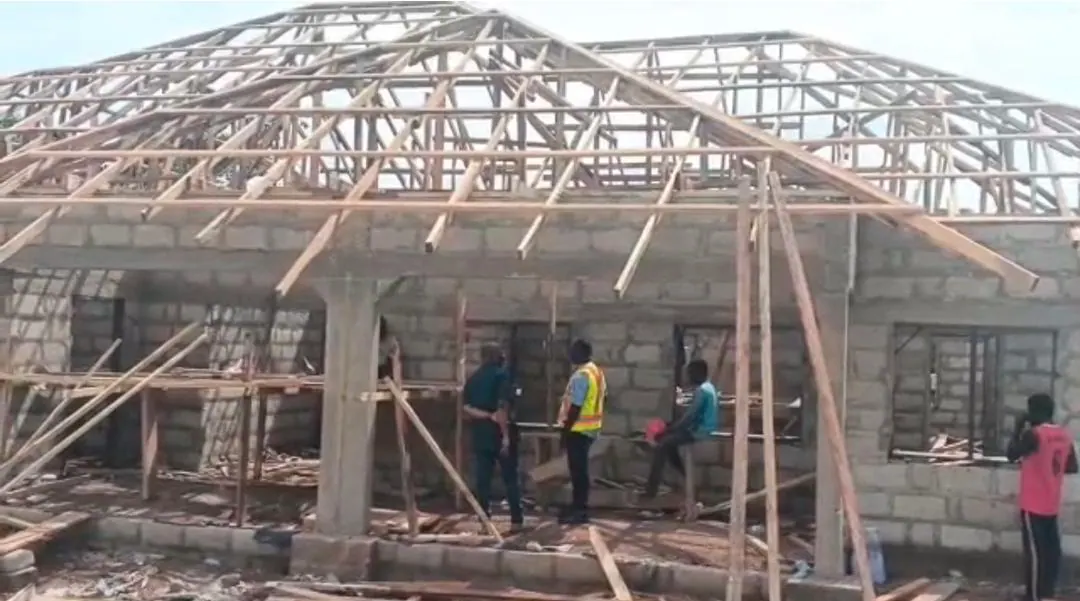
The World Bank, through the REDD+ initiative, has provided $1.7 million to support development projects in the education and health sectors in the Asunafo and Asutifi districts of the Ahafo Region in Ghana. The funding is aimed at improving living conditions in communities within the cocoa-growing areas. The projects being implemented include the construction and improvement of classroom blocks, health facilities, water systems, and other infrastructure.
The REDD+ initiative is focused on providing critical infrastructure for beneficiary communities. According to Daniel Amponsah Gyinayeh, Chairman of REDD+ for the Asunafo and Asutifi districts, the initiative is making a positive impact. He expressed satisfaction with the progress of work, saying contractors had so far performed well. The completed projects are expected to provide much-needed support to communities and improve access to essential services once they are commissioned.
In Acherensua, the Presbyterian Primary School is receiving a fully furnished classroom block, while the Acherensua Senior High School is benefiting from a water system to address persistent water challenges. The projects are being implemented with funding received through the World Bank’s carbon credit programme. The initiative is expected to continue supporting development projects in beneficiary communities as part of efforts to improve livelihoods and access to basic services in cocoa-producing areas.
The Headmistress of Acherensua Presbyterian Primary School, Christiana Diawuo, and the Headmaster of Acherensua Senior High School, John Yeboah, welcomed the intervention. They said the projects would improve the teaching and learning environment and help address some of the key challenges confronting the schools. The education sector is one of the main beneficiaries of the REDD+ initiative in the region.
The REDD+ initiative is also supporting health projects in the region. Although specific details about the health projects were not provided, it is expected that they will improve access to healthcare services for communities in the Asunafo and Asutifi districts. The initiative is part of a broader effort to improve living conditions in cocoa-growing areas.
The World Bank’s support for the REDD+ initiative is part of a larger effort to promote sustainable development in Ghana. The bank has been working with the Ghanaian government to implement programmes aimed at reducing poverty and improving living standards. The REDD+ initiative is one of several programmes being implemented to achieve these goals.
The projects being implemented under the REDD+ initiative are expected to have a positive impact on communities in the Asunafo and Asutifi districts. Once completed, the projects will improve access to education and healthcare services, enhancing the overall well-being of residents. The initiative is a significant step towards achieving sustainable development in the region.
Key points
- The World Bank has provided $1.7 million to support education and health projects in Ghana's Asunafo and Asutifi districts through the REDD+ initiative.
- The projects being implemented include the construction and improvement of classroom blocks, health facilities, water systems, and other infrastructure.
- The REDD+ initiative is expected to continue supporting development projects in beneficiary communities to improve livelihoods and access to basic services in cocoa-producing areas.