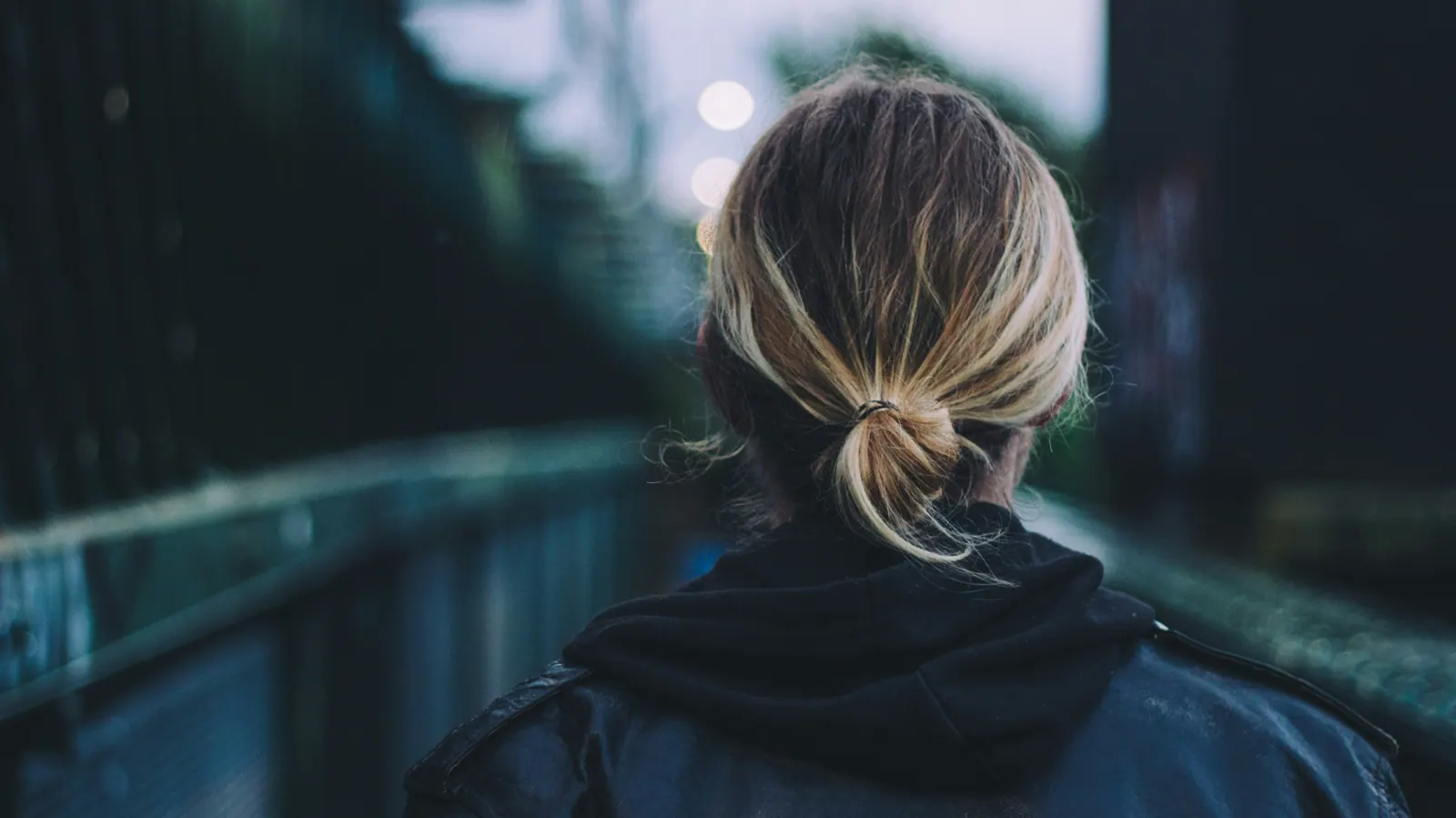
Homelessness affects women differently than men, with women tend to be less visible on the streets. Many women, like 69-year-old Slovakian national Miriam, are forced to hide in order to stay safe. Miriam spent years living in the shadows, struggling to find work and secure a place to rent. Her experience highlights the need for a better understanding of women's rough sleeping.
Miriam's story is a stark reminder of the challenges faced by women without immigration status and recourse to public funds. She fell into homelessness around two decades ago and was isolated from services that could provide her with advice. Shelters and refuges often have limited beds for people without immigration status, leaving women like Miriam with few options.
The UK government's official snapshot reported that in 2025, only 15% of those rough sleeping were women. However, organizations across the UK believe that this number is under-recorded, as women are more likely to sofa-surf, stay in 24-hour restaurants, or libraries. The women's rough sleeping census aims to gather information from all who identify as women and are rough sleeping about their experiences.
The census highlights the intersection between homelessness, immigration status, and gender inequality. Women like Miriam, who lack immigration status and recourse to public funds, face intensified marginalization. They often fear being turned away by services due to their lack of status, leading to alternative ways of finding places to sleep or making money to survive.
Miriam was fortunate to be assisted by her local council, but only after she found herself in hospital and after years living in the shadows. With the help of RMJ, she made an application for settled status in the UK, which was granted. She has just moved into her new accommodation and is relieved to build her life back.
However, many women are still struggling to access support. The government's approach to homelessness must acknowledge the intersection between homelessness, immigration status, and gender inequality. Without a holistic approach, it will be challenging to end rough sleeping. The census provides an opportunity to better understand the experiences of women and work towards a homelessness services sector that serves their needs.
Moving forward, it is essential to look beyond the people visible on the streets when discussing rough sleeping. Women like Miriam, who are forced to hide, are more likely to be hidden from services designed to support them. By understanding their experiences, organizations and governments can work together to provide adequate support and services for women rough sleepers.
Key points
- Women's rough sleeping is under-recorded, with many women forced to hide in order to stay safe.
- The intersection between homelessness, immigration status, and gender inequality must be acknowledged to address rough sleeping.
- A holistic approach is necessary to provide adequate support and services for women rough sleepers.