The district of Booko, located in the Kérouané prefecture of Guinea, is grappling with a severe water crisis. Residents, particularly women, face significant challenges in accessing potable water, with only two boreholes serving the entire population. These water sources are insufficient, leading to long queues and early morning commutes for women seeking to collect water for their households.
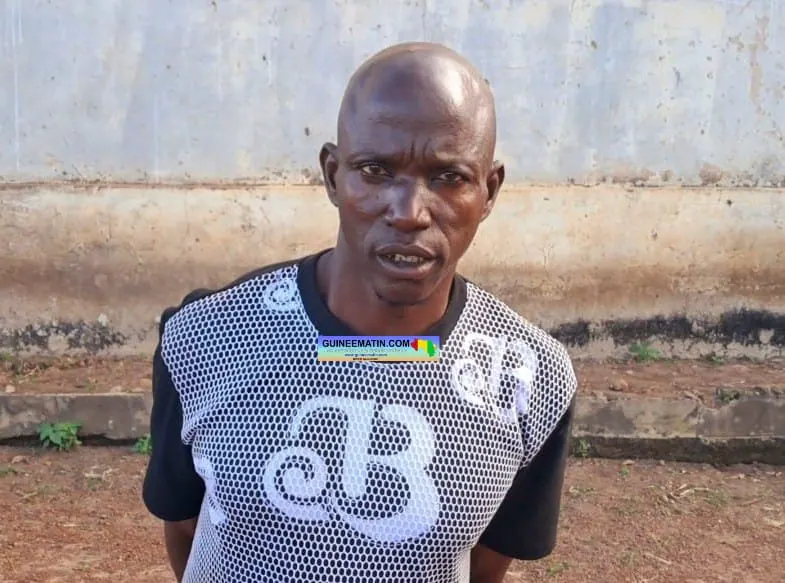
Women in Booko begin their daily quest for water at 3am, hoping to avoid lengthy wait times. The situation is further complicated by the pollution of nearby streams, which were once used as alternative water sources. Sékou Konaté, a resident of Booko, described the difficulties faced by the community, citing the inadequate number of boreholes and the resulting long queues.
The two existing boreholes in Booko are unable to meet the demands of the growing population, leading to increased pressure on these limited water sources. During the dry season, some boreholes dry up, exacerbating the water shortage. This situation disproportionately affects women and young girls, who are typically responsible for collecting water for their households.
The polluted streams in the area pose a significant health risk, making them an unreliable alternative for water collection. According to residents, the water from these streams is contaminated with debris and sediment, which can cause illnesses. As a result, the community is heavily reliant on the two boreholes, which are often unable to meet their needs.
The water crisis in Booko has significant implications for the daily lives of residents, particularly women. The early morning commutes and long queues for water collection take a toll on the community, who are calling for urgent assistance from authorities. Sékou Konaté emphasized the need for additional boreholes to alleviate the water shortage and ensure a reliable supply of potable water.
Residents of Booko are urging authorities to install new, functional boreholes that can meet the needs of the community and remain operational during the dry season. The community is seeking a long-term solution to their water crisis, which would enable them to access clean water without the need for early morning commutes and lengthy wait times.
The water crisis in Booko highlights the need for investment in infrastructure and resources to support rural communities in Guinea. The situation faced by residents, particularly women, underscores the importance of addressing water scarcity and ensuring access to clean water for all.
Key points
- Women in Booko, Guinea, rise at 3am to fetch water due to insufficient boreholes.
- The community is seeking additional boreholes to alleviate the water shortage.
- Pollution of nearby streams has limited alternative water sources.