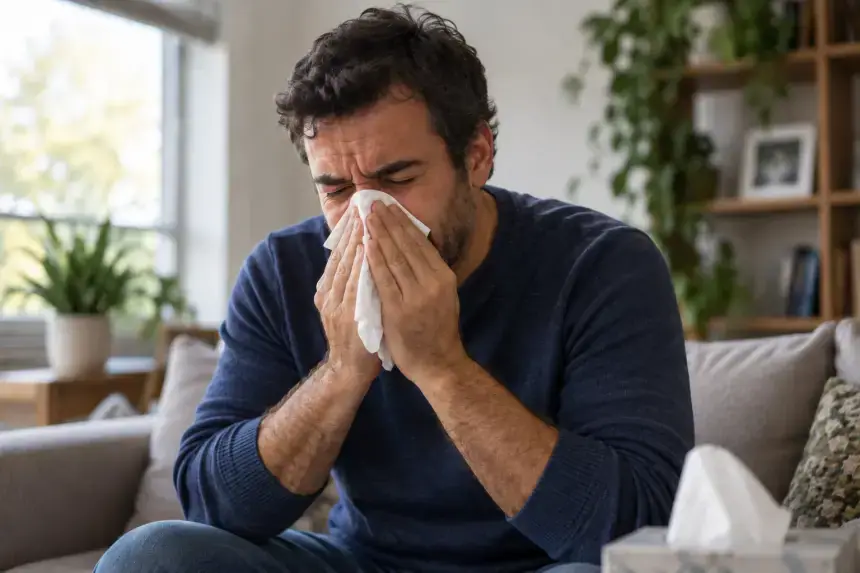
The World Health Organization (WHO) has warned of the risks associated with seasonal flu, emphasizing that it can lead to severe health complications and even death, particularly among vulnerable populations. According to the WHO, most individuals infected with the flu recover within a week, but the disease can be more severe in those with weakened immune systems, increasing the likelihood of medical complications and potentially life-threatening situations.
The WHO has identified specific groups as being more susceptible to flu-related health risks. These include pregnant women, who require special medical attention if infected due to increased complication risks; elderly individuals, whose immune systems may be compromised due to aging; people with chronic illnesses; and infants, whose underdeveloped immune systems make them more prone to complications. The organization stresses that these groups are more likely to experience severe outcomes if infected.
The WHO strongly recommends vaccination as the most effective means of protecting against the flu, particularly for high-risk groups. The organization urges individuals not to neglect flu shots, especially during winter months when infection rates tend to be higher. By getting vaccinated, people can significantly reduce their risk of contracting the flu and experiencing severe complications.
According to the Russian Federal Scientific Clinical Center for Medical Biotechnology, two waves of flu infections are expected during the 2026-2027 season. The first wave is predicted to occur in late November, while the second wave is expected in February. The center warns that flu viruses, including swine flu, will be among the primary causes of infections and cautions that mutations and new strains may emerge.
The WHO estimates that seasonal flu causes between 290,000 and 650,000 respiratory-related deaths annually. In light of these statistics, the organization emphasizes the importance of taking preventive measures, such as vaccination, to mitigate the impact of the flu. By taking proactive steps, individuals can protect themselves and reduce the risk of severe complications.
In related news, medical professionals in Tunisia have been addressing various health concerns, including the challenges faced by young couples in conceiving. According to the Tunisian Fertility Association, approximately 20% of newlywed couples in Tunisia experience difficulties with pregnancy and childbirth. Additionally, efforts are being made to improve medical care and manufacturing of biologic medications in Tunisia, in collaboration with Korea.
As the flu season approaches, health authorities are urging individuals to take necessary precautions to protect themselves and their loved ones. By staying informed about flu risks, getting vaccinated, and practicing good hygiene, people can reduce their risk of infection and help prevent the spread of the disease. The WHO and other health organizations continue to monitor flu activity and provide guidance to help mitigate its impact.
Key points
- Vulnerable populations, including pregnant women, elderly individuals, and those with chronic illnesses, are at higher risk of severe flu-related complications.
- The WHO recommends vaccination as the most effective means of protecting against the flu, particularly for high-risk groups.
- Seasonal flu is estimated to cause between 290,000 and 650,000 respiratory-related deaths annually, according to the WHO.
Reporting sources
- منظمة الصحة العالمية : بعض الفئات أكثر عرضة للوفاة بسبب الأنفلونزا · Radio Tataouine