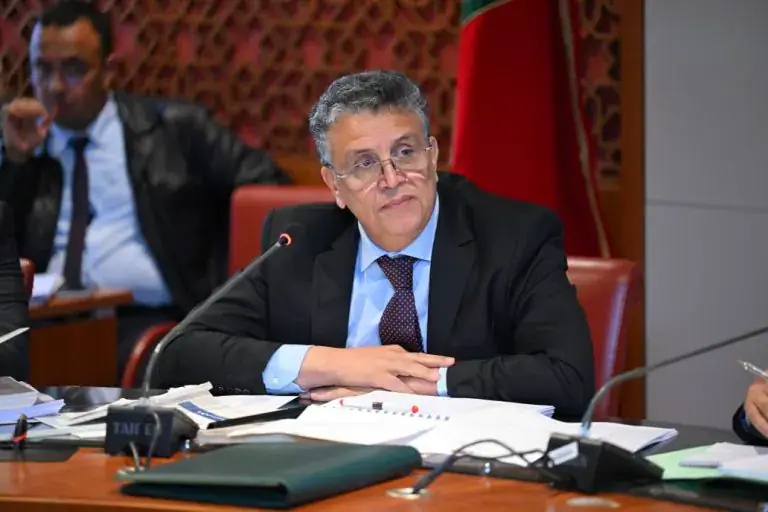
Moroccan Justice Minister Abdellatif Ouahbi has stated that the upcoming revision of the country's family code will not impact the definitive and fixed religious provisions, particularly those related to inheritance. He made these comments during a discussion on the ministry's budget at the Senate's Justice, Legislation, and Human Rights Committee. Ouahbi emphasized that the planned amendments primarily concern matters open to interpretation within the religious framework.
Ouahbi noted that institutions responsible for religious affairs participated in studying reform proposals and provided their observations on various provisions. He stressed the need to guide public debate towards the project's content, away from interpretations and political calculations. The minister criticized opposition to the amendments from parties that have not yet been informed of their content, considering that reforming the family code is a project that concerns all Moroccans and should not be reduced to political rivalries.
According to Ouahbi, the preparation of the project was based on extensive consultations involving state institutions, human rights organizations, civil society associations, union bodies, and academic circles. He highlighted that the reform does not only focus on revising legal texts but also aims to adapt the family code to the changes taking place in Moroccan society and the developments related to the status of women, while considering citizens' religious references and convictions.
The minister assured that consultations will remain open and that any additional amendments will be subject to discussion with the concerned institutions and parties. He underlined the importance of directing public debate towards the substance of the project, avoiding interpretations and political calculations that could hinder the reform process. This approach aims to ensure that the revisions meet the needs of Moroccan society while respecting its cultural and religious identity.
Ouahbi's statements come amid expectations for significant changes in Morocco's family code, which has been in place since 2004. The proposed revisions aim to address various social and legal issues, including those related to marriage, divorce, and child custody. By engaging with various stakeholders, the government seeks to create a more inclusive and equitable legal framework that reflects the country's evolving social dynamics.
The revision of the family code is part of a broader effort to modernize Morocco's legal system and promote social justice. The government has been working to address various social and economic challenges, including those related to women's rights, children's welfare, and family protection. The planned amendments are expected to contribute to these efforts by providing a more comprehensive and balanced legal framework.
As the revision process unfolds, Ouahbi's emphasis on open consultation and respect for Morocco's cultural and religious heritage is likely to be crucial in shaping the final outcome. The success of the reform will depend on the government's ability to balance competing interests and priorities, ultimately producing a family code that reflects the needs and values of Moroccan society.
Key points
- Moroccan Justice Minister Abdellatif Ouahbi says family code revisions won't affect inheritance laws.