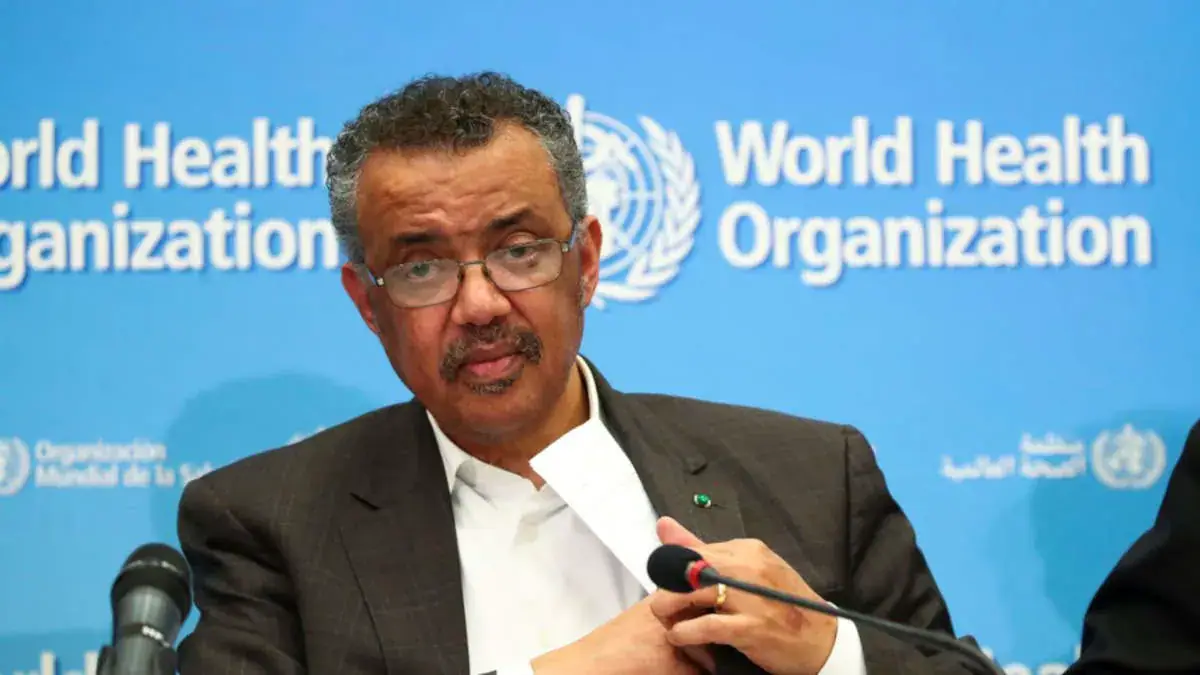
The World Health Organization (WHO) has issued a warning about the growing threat of antibiotic resistance, projecting that 39 million people may die between 2025 and 2050 due to infections that no longer respond to antibiotics. This estimate comes from a study published in The Lancet, which analyzed data from 204 countries between 1990 and 2021. The WHO is highlighting this issue during the World Antimicrobial Awareness Week, which runs from November 18 to 24.
According to the study, antibiotic resistance is expected to cause 1.91 million direct deaths per year by 2050, a 70% increase from 2022. Additionally, "associated" deaths, where resistance worsens a patient's condition without being the direct cause, are projected to reach 169 million over the same period. The WHO notes that the profile of victims is changing, with deaths among children under 5 decreasing by 60% between 1990 and 2021, but increasing by 90% among people aged 70 and older.
The WHO's report also highlights regional disparities, with South Asia, Latin America, the Caribbean, and sub-Saharan Africa expected to be the most affected. The organization's data from 104 countries shows that one in six bacterial infections recorded in 2023 did not respond to usual treatments. Furthermore, resistance has increased in over 40% of combinations of bacteria and antibiotics tracked since 2018.
WHO Director-General Tedros Adhanom Ghebreyesus has emphasized that antibiotic resistance is progressing faster than modern medicine, threatening the health of families worldwide. The organization's interim director for antimicrobial resistance, Jean-Pierre Nyemazi, has called for stricter regulation of antibiotic use, better access to diagnostics, and increased investment in primary care.
The WHO is leading the global response to antibiotic resistance through its 2026-2036 action plan, which aims to strengthen surveillance, laboratory networks, and equitable access to antimicrobials and diagnostics. The plan also emphasizes the importance of a "One Health" approach to combat the spread of resistance.
The consequences of inaction are dire, with antibiotic-resistant infections already killing an estimated one million people annually, or two people per minute. The WHO is urging governments and healthcare systems to take immediate action to address this growing public health threat.
The World Health Organization's warning highlights the urgent need for coordinated action to combat antibiotic resistance. By working together, governments, healthcare providers, and researchers can help prevent millions of deaths and ensure that antibiotics remain effective for future generations.
Key points
- The WHO projects 39 million deaths between 2025 and 2050 due to infections that no longer respond to antibiotics.
- Antibiotic resistance is expected to cause 1.91 million direct deaths per year by 2050, a 70% increase from 2022.
- The WHO is calling for stricter regulation of antibiotic use, better access to diagnostics, and increased investment in primary care to combat the spread of resistance.
Reporting sources
- Antibiotiques : l'OMS alerte sur un risque de 39 millions de morts d'ici 2050 · lanouvelletribune.info