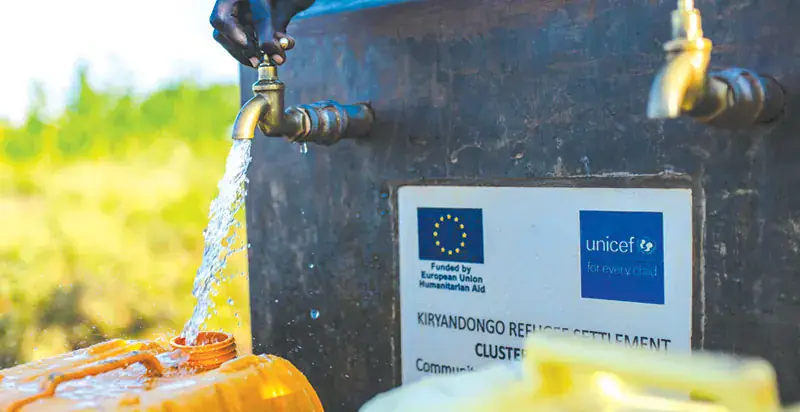
Uganda's progress in increasing access to safe water is being undermined by concerns over water contamination. The government's latest figures show that 73.6 per cent of the population has access to safe water, up from 71.2 per cent. However, a 2026 review by researchers at Makerere University and Kampala International University identified contamination concerns in several areas, including Rwakaiha Wetland, mining-affected areas of Kasese, and Kampala's urban springs and drainage corridors.
The contamination of water sources poses significant health risks, particularly for the poorest households. Toxic metals can threaten kidneys, neurological health, and increase cancer risks. These households face a harsh choice: use suspect water or pay for an alternative they may not afford. The National Water and Sewerage Corporation (NWSC) says its treated supply consistently exceeds 98 per cent compliance with national drinking-water standards, based on monitoring that includes more than 3,000 samples monthly.
However, independent scrutiny is needed to ensure the safety of Uganda's water sources. The National Environment Management Authority (NEMA) reports enforcing wastewater-treatment requirements, issuing improvement notices, penalizing noncompliant industries, and licensing more than 200 waste handlers. Its 2024 investigation of Nakivubo Channel examined drainage water and crops, recognizing that pollution can reach dinner tables through food.
Despite these efforts, Uganda needs more robust measures to address water contamination. The government needs to provide publicly accessible, location-specific testing results, showing which sources fail which standards, when they were retested, and what action followed. NWSC's existing sampling programme provides a foundation; rural springs and boreholes deserve comparable attention.
Industrial dischargers should face regular independent testing, credible penalties, and mandatory corrective deadlines. Mining areas and drainage corridors need targeted surveillance. Agricultural extension services should help farmers reduce chemical runoff, while municipalities invest in sewage and waste collection rather than allowing untreated waste to become somebody else's drinking water.
Where contamination is confirmed, authorities must provide safe alternatives promptly and support treatment technologies appropriate to the pollutant. Boiling can address many microbial risks; it cannot remove dissolved heavy metals. Household advice must make that distinction clear. The larger failure would be to celebrate a rising access percentage while leaving families uninformed about what flows from their taps and springs.
Ultimately, Uganda's water policy should count not only how many Ugandans can reach a source, but how confidently they can drink from it. The right to water means little without the right to know it is safe. By prioritizing water safety and transparency, the government can ensure that its efforts to increase access to safe water are not undermined by contamination concerns.
Key points
- Uganda needs publicly accessible, location-specific water testing results to address contamination concerns.
Reporting sources
- Uganda must stop poisoning its water sources · The Observer