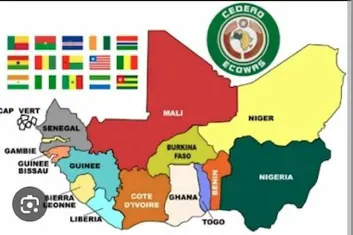
West African lawmakers have warned that the region is facing a widening climate-driven crisis. Shrinking water resources, degraded farmland, and changing weather patterns are fuelling competition for land, aggravating farmer-herder conflicts, displacing communities, and deepening poverty. The warning was issued at the Second 2026 Parliamentary Seminar of the Economic Community of West African States (ECOWAS) in Accra, Ghana. The seminar examined the intersection of climate change, environmental degradation, livelihoods, migration, and regional security.
The discussions marked a significant shift in approach, recognising climate change as an emerging governance, humanitarian, and security challenge. This new perspective requires coordinated legislative and regional intervention. According to Nigeria's presentation, environmental pressures are intersecting with population growth, agricultural expansion, climate variability, land degradation, and changing migration patterns. This intersection intensifies competition between farming and pastoral communities.
The report warned that disputes over crop destruction, land and water, encroachment on livestock routes, cattle theft, and changing patterns of seasonal migration have contributed to persistent farmer-herder tensions across Nigeria. However, the conflicts cannot be reduced to a simple confrontation between farmers and herders. Communal tensions, banditry, organised crime, climate pressures, and weaknesses in conflict-resolution mechanisms are also contributing to the crisis.
In Nigeria, internal displacement has been linked to armed conflict, communal violence, farmer-herder conflict, banditry, terrorism, flooding, and other disasters. Citing 2025 assessments by the International Organisation for Migration, Nigeria's presentation said more than 2.2 million people were internally displaced in the North-East, while over 1.3 million were displaced across the North-Central and North-West regions.
The figures underline the scale of a crisis that has moved beyond humanitarian relief into the areas of governance, development, food security, environmental management, and national security. At the centre of the crisis is a resource equation that is becoming increasingly difficult to manage: less predictable rainfall, declining water availability, pressure on productive land, and growing populations competing for the same resources.
For farming and pastoral communities, land and water are not merely economic assets; they are essential to survival. As traditional grazing routes become blocked, agricultural land expands, and water sources diminish, pastoralists are forced to alter movement patterns, while farmers face increasing pressure to protect cultivated land. Without effective mechanisms for dialogue, mediation, and resource management, such environmental pressures can escalate into violent disputes.
Togo's presentation detailed the country's attempt to regulate transhumance and reduce conflicts linked to livestock. The issue is a pressing concern for West African countries, which must balance the needs of farming and pastoral communities with the need to manage resources sustainably. Effective solutions will require coordinated regional action and a comprehensive approach to addressing the root causes of the crisis.
Key points
- Climate change is fuelling competition for land and water in West Africa, leading to farmer-herder conflicts and displacement.
- The crisis requires a coordinated regional response, addressing governance, humanitarian, and security challenges.
- Effective mechanisms for dialogue, mediation, and resource management are essential to preventing violent disputes.