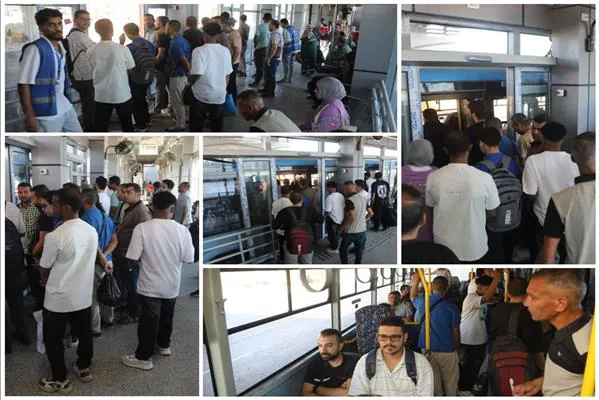
The Cairo Ring Road, a vital transportation artery for millions of Egyptians, is witnessing a significant transformation in commuter culture with the introduction of the Bus Rapid Transit (BRT) system. The system, which began its second phase of operation on September 26, 2026, is changing the way people travel on the Ring Road. The BRT system offers a modern and organized transportation experience, with designated stations, a clear route, and a dedicated lane.
One of the key changes brought about by the BRT system is the shift from informal, on-road transportation to a more structured and organized system. Commuters are now required to go to designated stations, know their route, and plan their journey in advance. This change may seem minor, but it represents a significant shift in commuter culture, as Egyptians adapt to a more organized and reliable transportation system.
The BRT system is also changing the relationship between commuters and drivers. In the past, commuters would often hail a microbus and negotiate their drop-off point with the driver. With the BRT system, commuters select their desired station and plan their journey accordingly. This change is promoting a more organized and efficient transportation experience, with commuters becoming more aware of their route and travel options.
The introduction of the BRT system is also having a broader impact on the Ring Road itself. The dedicated lane for BRT buses is reducing congestion and promoting a smoother flow of traffic. Additionally, the system is integrating with other forms of public transportation, such as the metro and light rail, making it easier for commuters to plan their journey and switch between different modes of transportation.
The success of the BRT system will depend on its ability to change commuter behavior and promote a culture of organized transportation. While some commuters may resist the change, the benefits of the system, including reduced congestion and improved air quality, are likely to win over many supporters. As the system expands and more commuters become accustomed to its operation, it is likely to become an integral part of Cairo's transportation landscape.
The integration of the BRT system with other forms of public transportation is also an important aspect of its success. The system is designed to complement existing forms of transportation, such as microbuses and taxis, and to provide commuters with a range of options for planning their journey. This integrated approach is likely to promote a more efficient and sustainable transportation system, with commuters able to choose the best option for their needs.
As the BRT system continues to expand and evolve, it is likely to have a profound impact on commuter culture in Cairo. The system's focus on organized transportation, designated stations, and integrated planning is promoting a new way of thinking about transportation, one that prioritizes efficiency, sustainability, and reliability. As commuters become more accustomed to the system, it is likely to become an essential part of their daily routine, transforming the way they travel on the Ring Road.
Key points
- The introduction of the BRT system on Cairo's Ring Road is changing commuter behavior and culture, with a focus on organized transportation and designated stations.
- The system is promoting a more efficient and sustainable transportation experience, with commuters able to plan their journey in advance and switch between different modes of transportation.
- The success of the BRT system will depend on its ability to change commuter behavior and promote a culture of organized transportation, with benefits including reduced congestion and improved air quality.