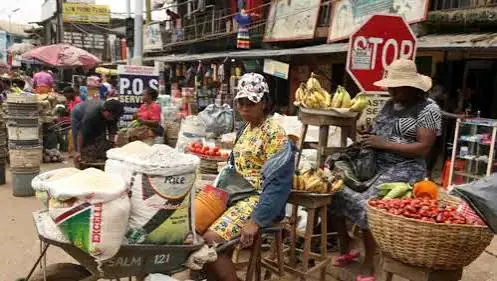
West Africa is bracing for a new wave of rising food costs due to increasing fuel and fertilizer prices, exchange rate fluctuations, and climate conditions. This development has highlighted the fragility of the region's food system. According to Reuters, these challenges have exposed structural issues in West African economies, which heavily rely on global markets to secure their needs, making them more vulnerable to external shocks and their impact on food prices.
Despite a recent slowdown in the sharp increase in food prices, this relative stability remains fragile. Prices of staple foods such as corn, rice, and vegetables have experienced repeated fluctuations, often trending upward since 2021. African institutions have warned of the consequences of conflicts in the Middle East on the continent's economies. The African Union and the African Development Bank have noted the growing risks associated with the ongoing war in the region.
The impact of these conflicts is already being felt in currency markets, with 29 African currencies losing value. If the war continues for more than six months, the growth of the African economy may decline by 0.2 points in 2026, according to data from the African Union and the African Development Bank. A significant portion of these pressures is linked to the importance of the Strait of Hormuz in global energy movement, with around 20% of the world's oil passing through it.
Any disruption in navigation through the Strait of Hormuz could lead to economic shocks that extend to Africa, which heavily relies on energy imports. West Africa's food supply chain is under pressure, and the situation is being closely monitored. The region's dependence on global markets makes it vulnerable to external factors that can affect food prices.
The African Union and the African Development Bank are working to address these challenges and mitigate their impact on the region's economies. The institutions are also exploring ways to reduce Africa's reliance on imports and promote self-sufficiency in food production. This includes investing in agriculture and supporting small-scale farmers.
Climate conditions have also played a significant role in the region's food security challenges. West Africa has experienced recurring droughts, floods, and other extreme weather events that have impacted crop yields and food production. The region's agricultural sector is also heavily reliant on rainfall, making it vulnerable to climate-related shocks.
The rising food costs and economic challenges facing West Africa have significant implications for the region's population. Many households in the region struggle to access affordable food, and the situation is expected to worsen if the current trends continue. The international community is being urged to provide support to help the region address these challenges and promote food security.
Key points
- West Africa faces rising food costs due to increasing fuel and fertilizer prices.
- The region's dependence on global markets makes it vulnerable to external shocks.
- Climate conditions have also impacted the region's food security.