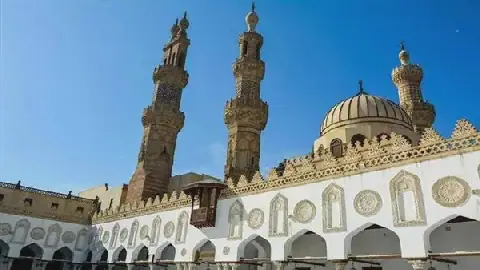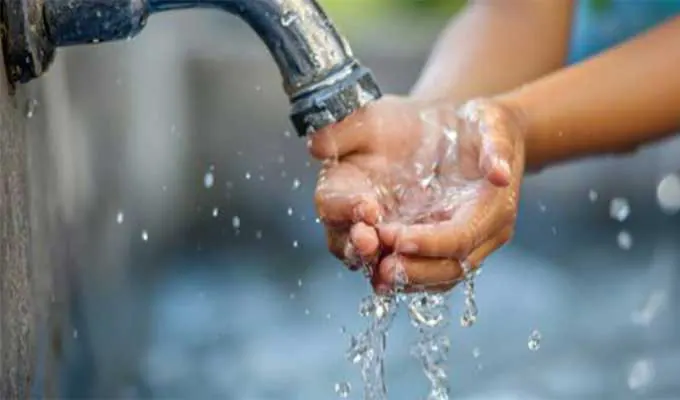
The Tunisian government's 2027 budget project aims to promote water conservation by installing water-saving faucets and rainwater collection systems in government buildings, ministries, and public establishments. This measure is an extension of the government's circular n°6 from March 7, 2024, which focused on water conservation. The goal is to continue reducing water consumption in government buildings.
Despite the government's efforts to promote water conservation, the effectiveness of these measures remains difficult to measure due to a lack of published indicators. The budget project does not provide specific details on the budget allocated for these equipment, the deployment schedule, or the quantified objectives for water savings. This lack of transparency makes it challenging to assess the impact of these measures.
To evaluate the effectiveness of these measures, it is essential to establish a dashboard with key indicators, including reference water consumption, investment engaged, volume saved after installation, and return on investment. This would enable the government to compare the situation before and after the installation of water-saving equipment. An audit of each building could also be conducted to assess the impact of these measures.
The government aims to generalize the use of water-saving faucets and rainwater collection systems in government buildings. However, without a clear assessment of the current situation, it is difficult to determine the potential for water savings. The installation of these systems could be accompanied by an evaluation of their impact on water consumption.
The 2027 budget project also highlights the need for a more systematic approach to measuring water savings. The government should publish indicators on water consumption, investment, and volume saved to assess the effectiveness of these measures. This would enable the identification of areas where investments are producing significant water savings and where adjustments are needed.
The World Bank has also been involved in supporting Tunisia's efforts to promote water conservation. Recently, Alexander Kremer was appointed as the new World Bank representative in Tunisia. This appointment could provide an opportunity for the government to access international expertise and funding to support its water conservation efforts.
The success of Tunisia's water conservation efforts will depend on the government's ability to measure and evaluate the impact of its measures. By establishing a clear dashboard of indicators and conducting regular audits, the government can ensure that its investments in water-saving equipment are effective and efficient. The 2027 budget project provides an opportunity for the government to take a more systematic approach to water conservation and promote sustainable practices.
Key points
- The Tunisian government's 2027 budget project aims to promote water conservation by installing water-saving faucets and rainwater collection systems in government buildings.
- The effectiveness of these measures remains difficult to measure due to a lack of published indicators.
- The government should publish indicators on water consumption, investment, and volume saved to assess the effectiveness of these measures.