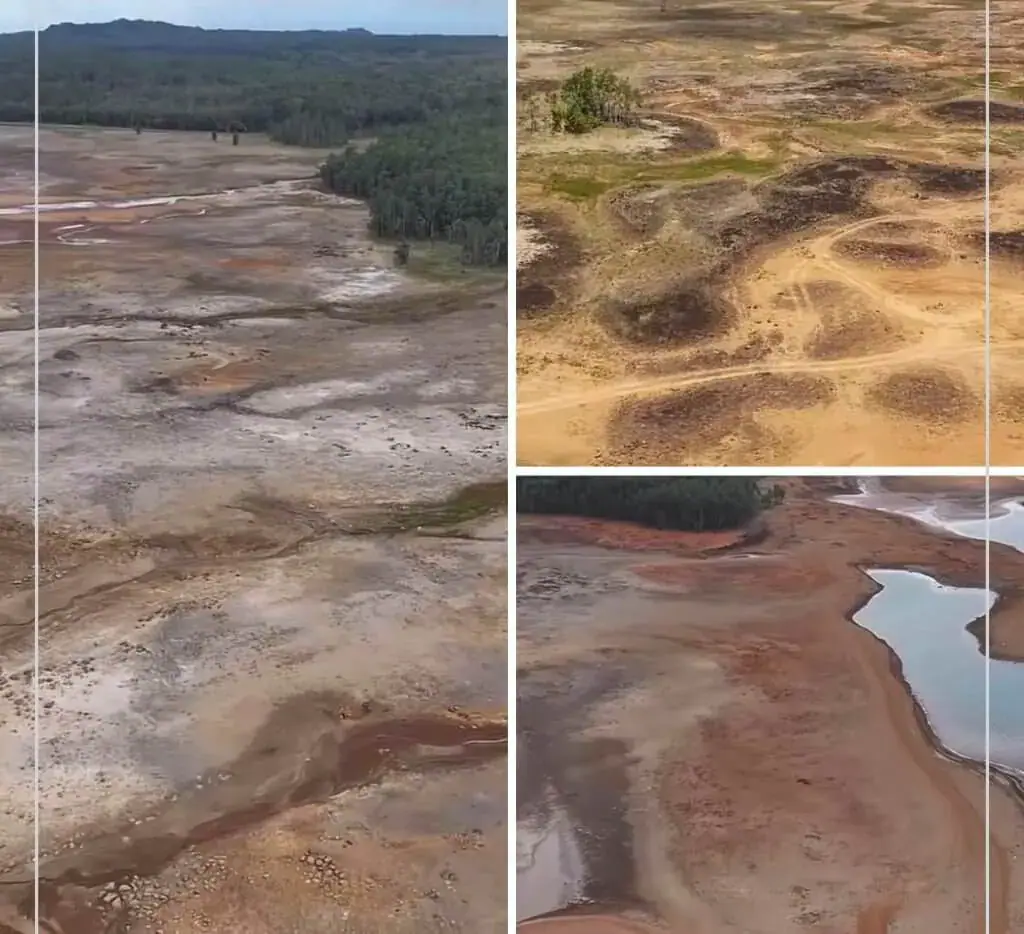
Mauritius is grappling with a severe water crisis, with its largest reservoir, Mare-aux-Vacoas, currently at 33% capacity. This represents a significant decline from 76.1% at the same time last year. The country's seven main reservoirs have collectively lost 23.41 million cubic meters of water over the past year, a 34% decrease. The situation is dire, with residents in cities and villages receiving water only every other day, from 3 am to 8 am.
Despite the water shortage, water is being wasted on non-essential activities such as washing concrete, cleaning cars, and watering lawns. The regulations in place since August 10, 2026, prohibit such activities, but enforcement is lacking. The public is outraged by the apparent double standards, with some individuals filling their swimming pools with potable water, while others struggle to access water for basic needs.
The weather forecast does not offer much respite, with an El Niño event expected to persist until February 2027, bringing high temperatures and reduced rainfall. The Meteorological Service has warned of temperatures reaching 36°C to 37°C in some areas, with only 80% of the usual rainfall expected. The situation is expected to worsen, with long dry periods punctuated by intense rainfall, leading to increased evaporation and demand for water.
The existing regulations prohibit activities such as washing vehicles, cleaning buildings and sidewalks, and filling swimming pools with potable water. However, enforcement is lacking, and penalties for non-compliance are not being effectively implemented. The public is calling for greater accountability and action from the authorities to address the water crisis.
The responsibility for addressing the water crisis lies with both the population and the authorities. Citizens are urged to be mindful of their water usage and avoid wasting water on non-essential activities. At the same time, the authorities must take steps to address the issue of water losses in the distribution network, which account for around 30% of the water produced.
An SOS campaign has been launched, calling for immediate action to address the water crisis. The campaign advocates for stricter enforcement of water-saving regulations, including penalties for non-compliance. It also calls for greater public awareness and education on the importance of water conservation.
The situation in Mauritius highlights the need for a comprehensive approach to addressing water scarcity, including both individual and collective action. The authorities must work with the public to develop effective solutions to the water crisis, including measures to reduce water losses and promote water conservation.
Key points
- The water crisis in Mauritius is exacerbated by lax enforcement of water-saving regulations and a lack of accountability.
- The country's reservoirs have collectively lost 23.41 million cubic meters of water over the past year, a 34% decrease.
- The authorities and citizens must work together to address the water crisis, including measures to reduce water losses and promote water conservation.