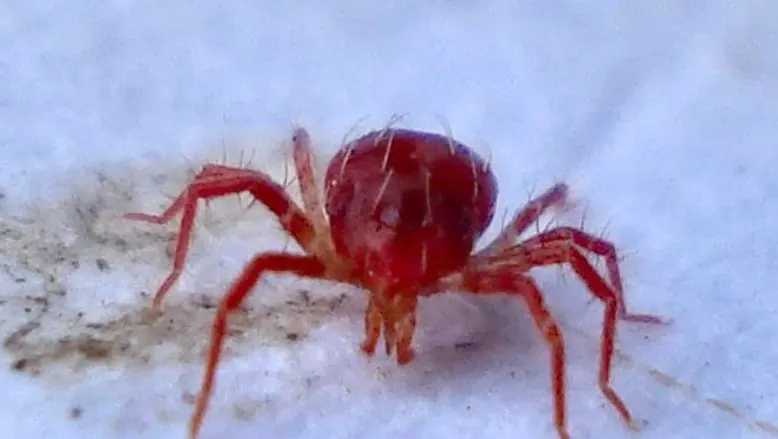
As autumn begins, blood-sucking insects have started to spread across the UK, causing concern among health experts. The insects, which can transmit serious diseases such as Lyme disease and tick-borne encephalitis, are becoming increasingly common not only in rural areas but also in urban gardens and parks. According to a report by The Sun, people who spend time outdoors are at a higher risk of being bitten by these insects and contracting diseases.
The peak season for these insects is from now until early November, according to a tick-bite prevention expert. Despite their small size, the bites can have a significant and lasting impact on a person's health. The insects can transmit two life-threatening conditions, Lyme disease and tick-borne encephalitis, making awareness of the risks essential. The UK's health security agency has reported cases of tick-borne encephalitis in various parts of the country, including the Outer Hebrides, South Yorkshire, and the Peak District.
Certain areas in the UK have been identified as high-risk zones for tick bites, including the Lake District, New Forest, South Downs, and the Scottish Highlands. Urban areas such as Richmond Park and Epping Forest in London are also considered high-risk. The insects can be found on animals such as deer, cats, dogs, and urban foxes, as well as on long grass and plants. They can attach themselves to people with exposed skin who come into contact with them.
To minimize the risk of contracting Lyme disease, experts recommend taking precautions when spending time outdoors. This includes covering arms and legs, sticking to paths, and avoiding contact with leaves and bushes. After spending time outdoors, it is essential to check the skin, scalp, and pets for ticks. According to Howard, the founder and CEO of Incognito, prevention is key, and simple measures can significantly reduce the risk of tick bites.
Lyme disease and tick-borne encephalitis are serious conditions that can have long-term effects on a person's health. Lyme disease can cause symptoms such as fever, headache, and fatigue, while tick-borne encephalitis can lead to severe symptoms such as meningitis and encephalitis. Awareness of the risks and taking preventive measures can help reduce the number of cases.
The UK's health authorities have reported an increase in cases of tick-borne illnesses, highlighting the need for public awareness and education. By understanding the risks and taking simple precautions, individuals can minimize their chances of being bitten by blood-sucking insects and contracting serious diseases.
As the autumn season progresses, it is essential for people to be vigilant and take necessary precautions when spending time outdoors. By being aware of the risks and taking preventive measures, individuals can enjoy the outdoors while minimizing their risk of contracting tick-borne illnesses.
Key points
- The peak season for blood-sucking insects in the UK is from now until early November.
- Certain areas in the UK, such as the Lake District and Scottish Highlands, have been identified as high-risk zones for tick bites.
- Prevention measures, such as covering arms and legs and checking for ticks, can significantly reduce the risk of tick bites and tick-borne illnesses.