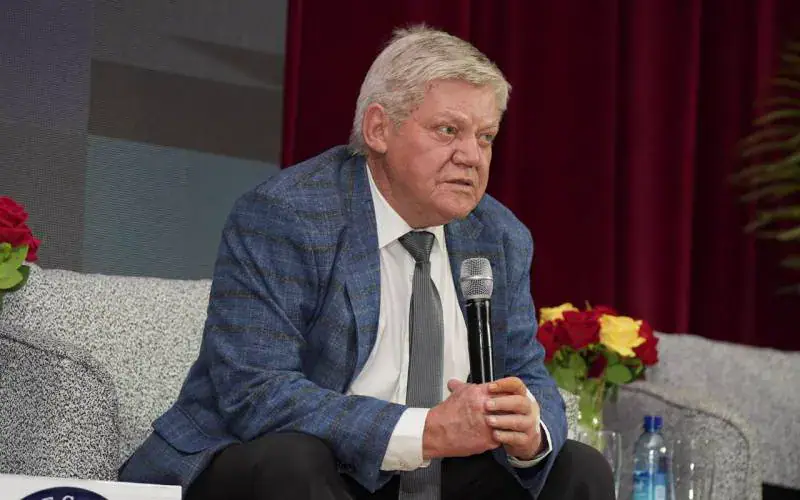
Veteran Namibian journalist Chris Jacobie has raised concerns about the state of Namibia's democracy, corruption, and whether the country has lived up to its independence promises. In an interview on the Catalyst Podcast, Jacobie reflected on his experiences in the Parachute Battalion during the liberation war and his career as a journalist. He questioned whether Namibia's democratic institutions are delivering accountability, transparency, and good governance. Jacobie's observations come at a time when accountability and the fight against corruption are central to national discourse.
Jacobie's reflections on corruption and its scale are particularly striking. He noted the reluctance to speak openly about its extent, which makes his interview timely and relevant. As a journalist who has experienced Namibia's history from a unique vantage point, Jacobie's perspective carries significant weight. He served in the Parachute Battalion, including operations in Angola, and later built a career observing and commenting on Namibia's political and social evolution.
The interview also touched on the changing nature of journalism, particularly the influence of social media on a profession that traditionally depended on verification, credibility, and editorial responsibility. Jacobie shared his thoughts on President Netumbo Nandi-Ndaitwah and what surprised him when she assumed the presidency, offering another perspective on the country's evolving political leadership.
Jacobie's concerns go beyond nostalgia about the liberation struggle or criticism of the present. He raises a fundamental question about the responsibility of successive generations to protect and strengthen the democratic foundations established at independence. Namibia's independence was a historic achievement, but democracy cannot be measured by the passage of time, elections, or the continued existence of institutions alone.
The value of democracy must ultimately be reflected in the quality of governance, the integrity of public institutions, and the confidence citizens have in those entrusted with power. Jacobie's interview serves as a reminder that national progress requires not only celebrating what has been achieved but also having the courage to confront what remains unfinished.
The Catalyst Podcast, hosted by Lazarus Jacobs, features the full conversation with Jacobie. The podcast is available on various platforms, offering listeners a chance to engage with Jacobie's thoughts and reflections on Namibia's democracy and governance. This conversation comes at a critical time, as Namibia continues to navigate its development and growth.
Ultimately, Jacobie's questions and reflections encourage Namibians to think critically about their country's progress and the work that remains to be done. His interview serves as a call to action, urging citizens to engage with the democratic process and demand accountability from their leaders. By doing so, Namibians can work towards a more robust and effective democracy.
Key points
- Chris Jacobie questions whether Namibia's democratic institutions are delivering accountability, transparency, and good governance.
- Jacobie reflects on the scale of corruption and the reluctance to speak openly about its extent.
- The interview encourages Namibians to think critically about their country's progress and the work that remains to be done.
Reporting sources
- Jacobie questions whether Namibia’s democracy is delivering · Windhoek Observer