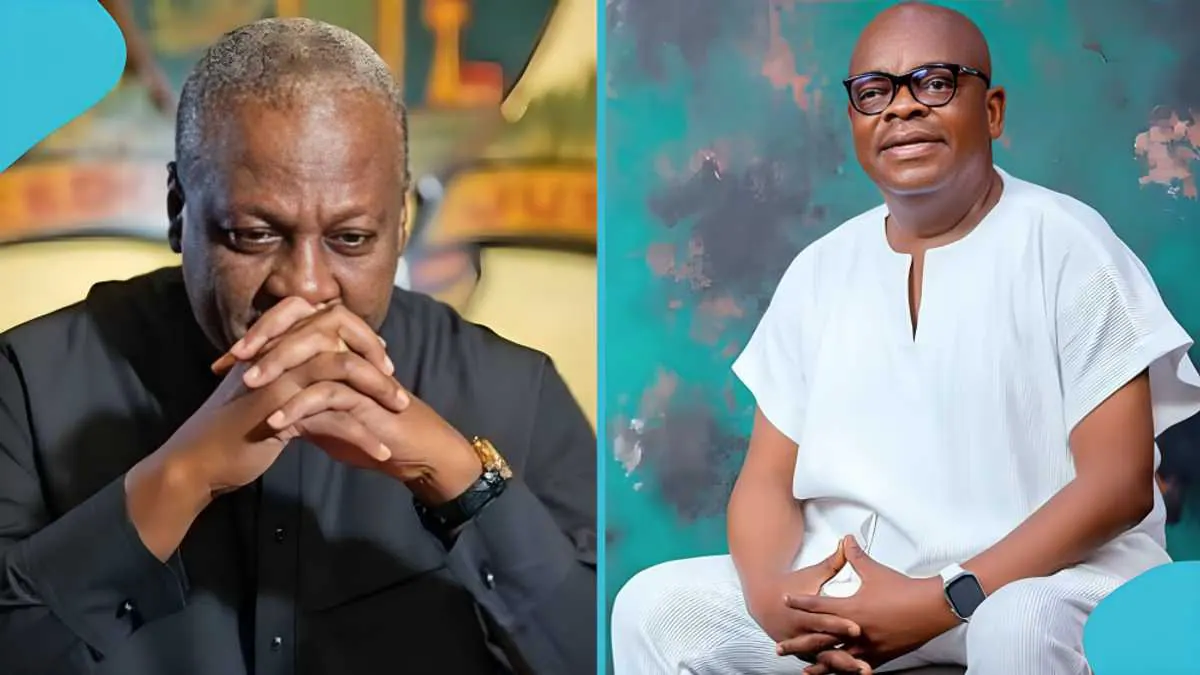
Veteran broadcaster and actor Kwame Dzokoto has spoken out about his unsuccessful bid to become the District Chief Executive (DCE) for Tarkwa-Nsuaem. In an interview with media personality Blakk Rasta on September 23, 2026, Dzokoto shared his experience of pursuing the role after failing to win the area's parliamentary seat. He expressed his disappointment at losing the appointment despite meeting all the academic and professional requirements. Dzokoto's account provides a rare insight into the DCE appointment process in Ghana.
According to Dzokoto, he completed the full interview process for the appointment and was confident that he satisfied all the demands of a DCE candidate. He highlighted his record within the National Democratic Congress (NDC), including his role on the committee that drafted the party's Tourism, Arts and Culture manifesto, appearing in campaign commercials, and backing the party's parliamentary candidate in Tarkwa during the election. Despite his credentials, Dzokoto said he lost the appointment because he had no senior figure within the party willing to champion his cause.
Dzokoto revealed that he had no one to push his agenda after the interviews were completed, which ultimately led to his losing the appointment. He believes that having an influential backer inside a party's structure can be just as important as qualifications or campaign work. This experience has led Dzokoto to reflect on the broader dynamics at play in Ghanaian politics, where connections and influence can often trump merit.
The DCE appointment process in Ghana involves a nomination by the President and confirmation by two-thirds of elected assembly members in the district. Dzokoto's experience suggests that even candidates who pass the formal vetting can be shut out if they lack backing at the internal party level. This raises questions about the inclusivity and fairness of the appointment process.
Dzokoto's account also touches on a broader issue in Ghanaian politics, where politicians often drift away from the communities that elected them. He expressed his commitment to the development of Tarkwa-Nsuaem, stating that his pursuit of the DCE role was always about proving what he could contribute to his community. Despite the setback, Dzokoto remains committed to public service and community development.
The sources do not indicate whether Dzokoto plans to pursue another public appointment or run for office again in Tarkwa-Nsuaem. However, his experience has provided a unique perspective on the DCE appointment process and the importance of connections in Ghanaian politics. Dzokoto's story serves as a reminder of the challenges faced by ordinary party loyalists in accessing public office.
Dzokoto's case highlights the complexities of Ghana's DCE appointment process and the role of influence and connections in securing public office. As he continues to contribute to his community, his experience serves as a valuable lesson for others navigating the complexities of Ghanaian politics. The incident has sparked a wider conversation about the need for greater transparency and inclusivity in the appointment process.
Key points
- Dzokoto lost the DCE appointment despite meeting all requirements due to lack of senior party figure backing.
- The DCE appointment process in Ghana involves a nomination by the President and confirmation by two-thirds of elected assembly members.
- Dzokoto's experience highlights the importance of connections and influence in Ghanaian politics.