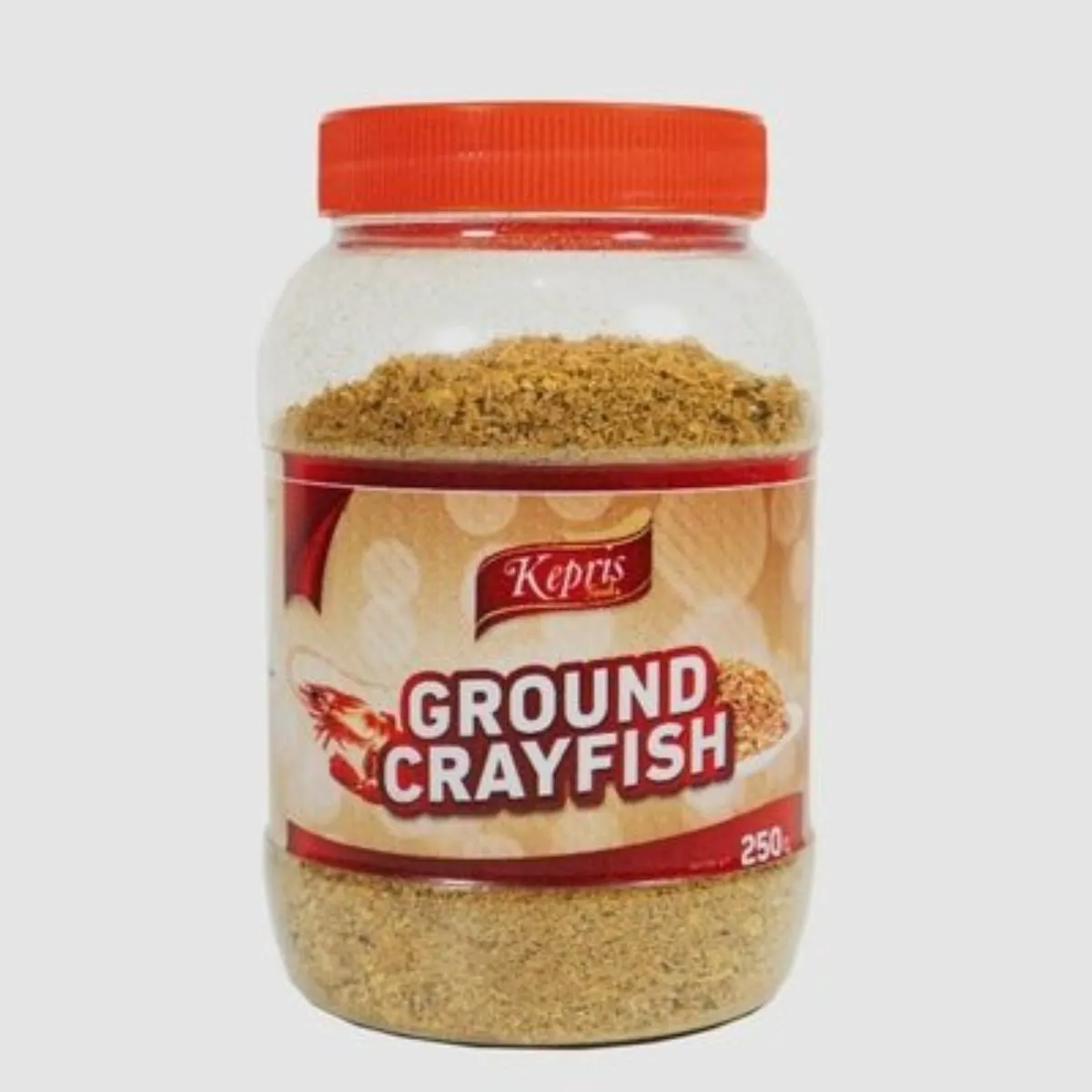
Ground crayfish is a common ingredient in Nigerian cooking, adding flavour and nutrition to various dishes. It is often used in small quantities due to its strong taste and aroma. The nutritional value of ground crayfish comes from its protein content and essential minerals. As an animal-based food, it provides protein that complements other protein sources in the diet. Ground crayfish is not a main protein source but rather a nutrient-containing ingredient that enhances meals.
Ground crayfish contains important minerals such as calcium, phosphorus, iron, and zinc. These minerals perform different roles in the body, including bone and tooth development, haemoglobin production, and immune function. The presence of these minerals means ground crayfish contributes to the nutrient content of meals beyond its taste and aroma. The exact amount of minerals can vary depending on the species, processing method, and shell retention.
Drying crayfish removes much of its water content, concentrating its nutrients by weight. A small quantity of dried crayfish can contain a considerable amount of nutrients, making it a convenient ingredient for cooking. Drying also makes crayfish easier to store for longer periods when properly processed and stored. This convenience is beneficial for people who use crayfish regularly in cooking.
Grinding dried crayfish into a powder makes it easier to use in various dishes. The powdered form can be distributed evenly in meals, allowing its flavour to spread. Ground crayfish can be mixed with other ingredients during cooking without leaving large pieces in the finished meal. This convenience does not remove its basic nutritional qualities, making it a practical choice for households.
The strong flavour of crayfish is a main reason for its popularity in Nigerian cooking. A relatively small quantity can change the taste and aroma of a meal, allowing ground crayfish to function as both a flavouring ingredient and a nutrient contributor. Its distinctive taste is especially useful in soups and sauces where several ingredients are combined.
Ground crayfish can contribute to bone nutrition due to its calcium and phosphorus content. These minerals are associated with normal bone and tooth development and maintenance. Additionally, ground crayfish can contribute to iron intake, essential for haemoglobin production and oxygen transport. Zinc, another mineral found in crayfish, adds another nutritional advantage, supporting immune function, wound healing, and growth and development.
Ground crayfish can be easily incorporated into everyday meals, providing a convenient way to add nutrients and flavour. While it is usually treated as a seasoning, ground crayfish provides more than flavour, containing protein and essential minerals. Its small serving size means that the amount consumed in a typical meal should be considered when assessing its overall nutritional contribution.
Key points
- Ground crayfish provides protein and essential minerals like calcium, phosphorus, iron, and zinc.
- Drying and grinding crayfish make it a convenient ingredient for cooking, allowing for easy storage and even distribution of flavour.
- Ground crayfish can contribute to bone nutrition, iron intake, and zinc intake, supporting overall health and well-being.