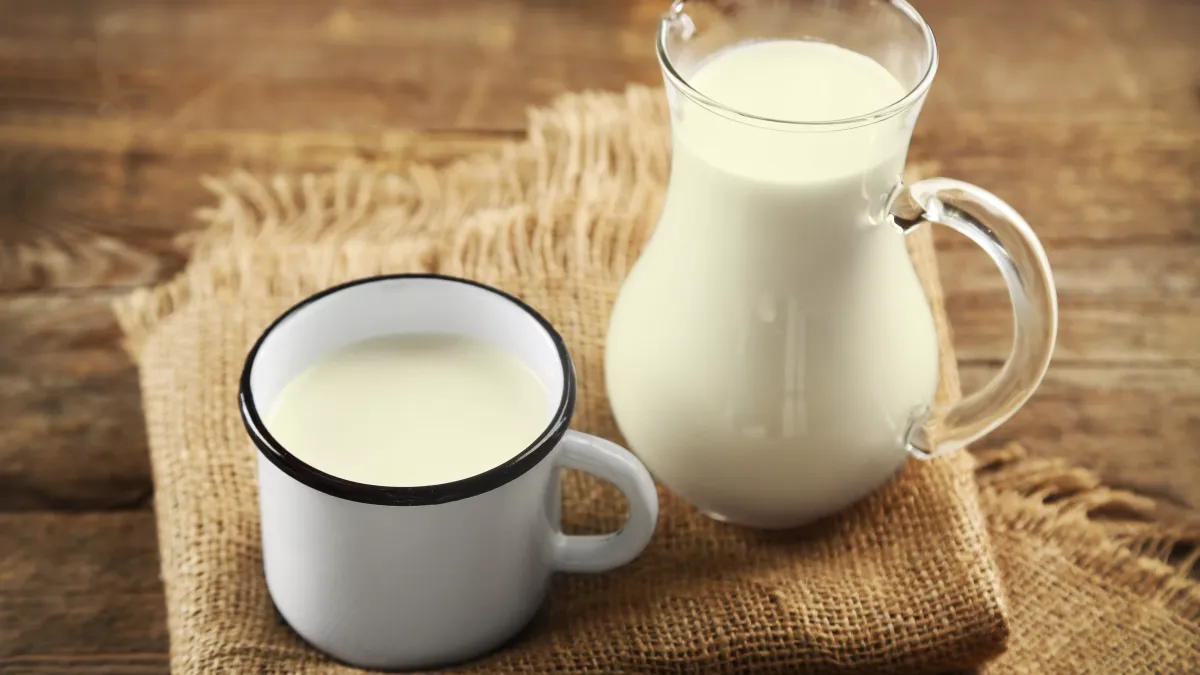
The Tunisian government has set a stock of 19.8 million liters of milk for 2026 to regulate the market supply. This was announced in an official decree published on September 22, 2026, in the Journal officiel de la République tunisienne. The decree was signed by several ministers, including those in charge of Industry, Agriculture, Finance, and Commerce. The stock is aimed at ensuring a regular supply of milk to the market.
According to the decree, the period of peak milk production for 2026 is from March 1 to August 31. During this period, reserves will be built up to be used when production declines. The subsidy for storing milk will be available until December 31, 2026. The regulatory stock mechanism aims to absorb some of the milk produced during peak periods and use it later when supply decreases.
The regulatory stock mechanism is designed to contribute to a regular supply of milk to the market. By storing milk during peak production periods, the government aims to ensure that there is a steady supply of milk throughout the year. This will help to stabilize the market and prevent shortages.
The decree also outlines the conditions and period for granting subsidies for milk storage in 2026. The subsidy is intended to encourage the storage of milk during peak production periods. By providing a financial incentive, the government hopes to ensure that there is a sufficient supply of milk to meet demand.
The decision to set a regulatory stock of milk is part of the government's efforts to ensure food security in Tunisia. By regulating the supply of milk, the government aims to prevent shortages and ensure that consumers have access to this essential product. The move is also expected to support local dairy farmers by providing them with a stable market for their produce.
The setting of a regulatory stock of milk is a common practice in many countries. It is used to manage fluctuations in production and ensure a steady supply of essential products to the market. In Tunisia, the regulatory stock mechanism is seen as a way to ensure that the country has a stable supply of milk and dairy products.
The government's efforts to regulate the milk market are part of a broader strategy to ensure food security and support local farmers. By providing a stable market for dairy farmers and ensuring a regular supply of milk to consumers, the government aims to promote economic growth and improve living standards in Tunisia. The regulatory stock of milk is an important part of this strategy.
Key points
- The Tunisian government has set a stock of 19.8 million liters of milk for 2026 to regulate market supply.
- The regulatory stock mechanism aims to absorb some of the milk produced during peak periods and use it later when supply decreases.
- The subsidy for storing milk will be available until December 31, 2026.