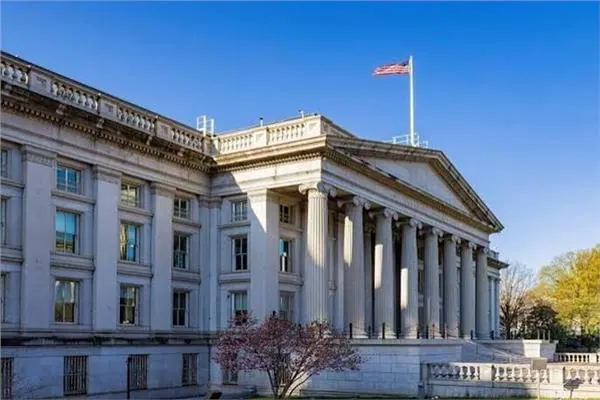
The United States has announced new sanctions on Cuba, further restricting financial transactions and tightening controls on American citizens' interactions with the island nation. The measures, announced by the US Treasury Department, aim to limit Cuba's access to the US financial system and restrict American citizens' ability to engage in certain transactions with Cuban entities. The new sanctions come as the US seeks to pressure Cuba's communist government to reform its human rights and economic policies.
The US Treasury Department has prohibited American financial institutions from processing dollar payments that involve Cuban entities linked to the island's security apparatus or the state-owned conglomerate Grupo de Administración Empresarial S.A. (GAESA). The move is seen as a significant escalation of US pressure on Cuba, which has been subject to a US trade embargo since the early 1960s. The restrictions also cancel a general license issued in 2024 that allowed US banks to process certain dollar payments through Cuba.
The new sanctions also revoke a license issued in 2024 that allowed US banks to open and manage accounts for Cuban entrepreneurs operating in the private sector. The move is likely to further restrict Cuba's access to the US financial system and limit the ability of Cuban entrepreneurs to engage in international transactions. The US Treasury Department has also imposed new restrictions on certain categories of travel to Cuba, including cultural exchange programs, conferences, and expert meetings.
The US has maintained a trade embargo on Cuba since the early 1960s, which has been tightened and relaxed over the years by successive US administrations. The embargo has had a significant impact on Cuba's economy, which has struggled with chronic shortages and inefficiencies. The new sanctions are likely to exacerbate Cuba's economic challenges, which have been exacerbated by a decline in Venezuelan subsidies and a slowdown in economic growth.
The Cuban government has denounced the new sanctions as an attempt to strangle the island's economy and undermine its socialist system. The government has reported shortages of fuel, medicine, and other essential goods, which it blames on the US embargo. The new sanctions have also been criticized by some US lawmakers and business groups, who argue that they will harm US economic interests and undermine efforts to promote democracy and human rights in Cuba.
The US Treasury Department has said that the new sanctions are aimed at promoting accountability and transparency in Cuba's financial system. The department has also stated that it will continue to allow US citizens to travel to Cuba for certain purposes, such as family visits, educational activities, and humanitarian projects. However, the new restrictions are likely to make it more difficult for US citizens to engage in cultural exchange programs and other activities that promote people-to-people diplomacy.
The new sanctions on Cuba are the latest move by the US to pressure the island nation's communist government to reform its human rights and economic policies. The measures are likely to have significant implications for Cuba's economy and its relations with the US. The US has also extended the suspension of a Cuban debt payment that was due in 2020.
Key points
- The US has imposed new sanctions on Cuba, restricting financial transactions and tightening controls on American citizens' interactions with the island nation.
- The measures aim to limit Cuba's access to the US financial system and restrict American citizens' ability to engage in certain transactions with Cuban entities.
- The new sanctions have been denounced by the Cuban government as an attempt to strangle the island's economy and undermine its socialist system.