The US Embassy in Tunisia announced on October 29, 2026, the launch of a program aimed at connecting American investors and companies with phosphate projects of Australian company PhosCo in Tunisia's northwest mining basin. This initiative, funded by Washington and implemented in collaboration with CrossBoundary, seeks to facilitate private financing, job creation, and increased phosphate production in Tunisia. CrossBoundary, a firm specializing in investment advisory and private capital mobilization, will work with companies, investors, and financial institutions in emerging markets.
The program, initially unveiled in August, aims to attract over $100 million in private investments over the next two years. According to the US Embassy, the partnership with CrossBoundary will enable the mobilization of private financing, support job creation, and increase Tunisia's phosphate production. The program also seeks to foster supply agreements that integrate Tunisian minerals into international supply chains. This initiative does not involve direct financing for mine exploitation but rather a mechanism to facilitate capital mobilization and commercial partnerships.
CrossBoundary's role in the program involves advising on investment strategies and mobilizing private capital for PhosCo's projects. The US Embassy's announcement did not reveal specific investments or finalized participation, but it confirmed the continuation of a program initially detailed in August. The program's objectives include securing a subvention of up to $1.536 million to support the mobilization of over $100 million in American private investments. The US also aims for a 30-40% stake in PhosCo and $15-25 million in American equipment exports.
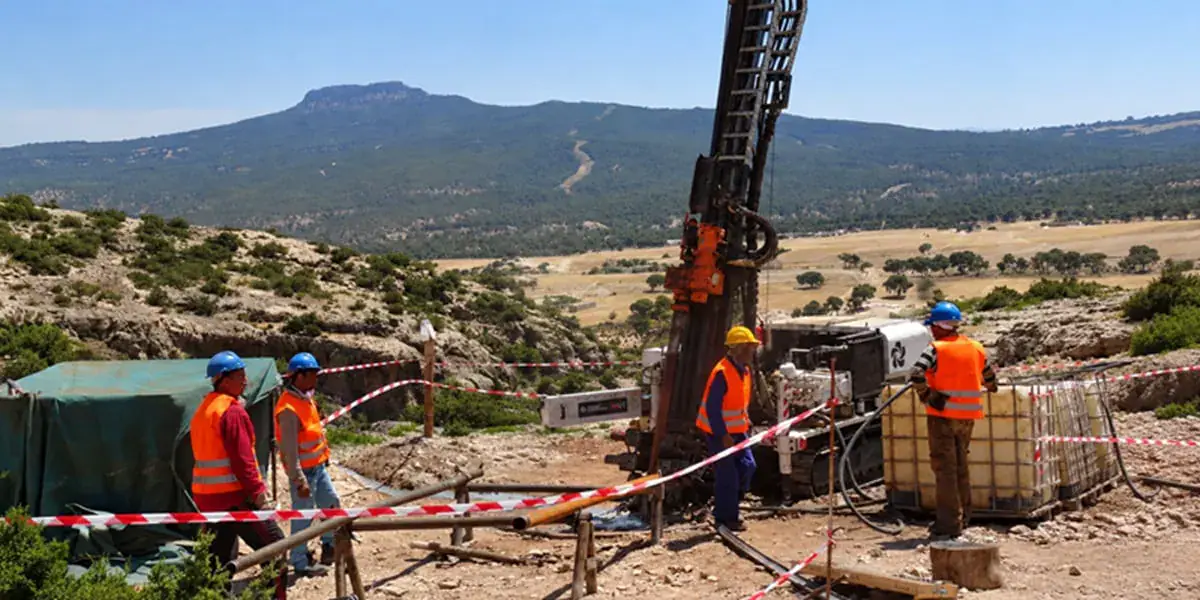
PhosCo, an Australian company, is developing several phosphate projects in Tunisia, including the Gasaat project in Kasserine Governorate. The project boasts mineral resources of 166.6 million tons of phosphate. In early October, PhosCo announced a memorandum of understanding with Tunisian group STUDI International for engineering and feasibility studies, accompanied by a proposed investment of $1.4 million Australian dollars. The partnership with CrossBoundary adds an international financing component to PhosCo's ongoing technical work.
The US program aims to integrate Tunisian phosphate into global supply chains and create jobs. While specific investment amounts and timelines for investor meetings remain unclear, the US Embassy's announcement confirms Washington's interest in Tunisia's phosphate sector. The initiative is part of a broader effort to strengthen economic ties between the US and Tunisia. Further details on the program's implementation and investor engagement will be closely watched.
PhosCo's development of its phosphate projects, including Gasaat, has been ongoing. The company's progress on these projects, coupled with the US program, may help revitalize Tunisia's phosphate industry. Tunisia has significant phosphate reserves, and the sector is a crucial component of the country's economy. The US program's success will depend on its ability to attract investors and facilitate financing for PhosCo's projects.
The partnership between the US, CrossBoundary, and PhosCo may have a significant impact on Tunisia's phosphate sector. Key aspects of the program include attracting over $100 million in private investments, supporting job creation, and increasing phosphate production. The program's effectiveness will be measured by its ability to achieve these objectives and integrate Tunisian phosphate into global supply chains.
Key points
- The US program aims to attract over $100 million in private investments for PhosCo's phosphate projects in Tunisia.
- CrossBoundary will advise on investment strategies and mobilize private capital for PhosCo's projects.
- The program seeks to integrate Tunisian phosphate into global supply chains and create jobs.