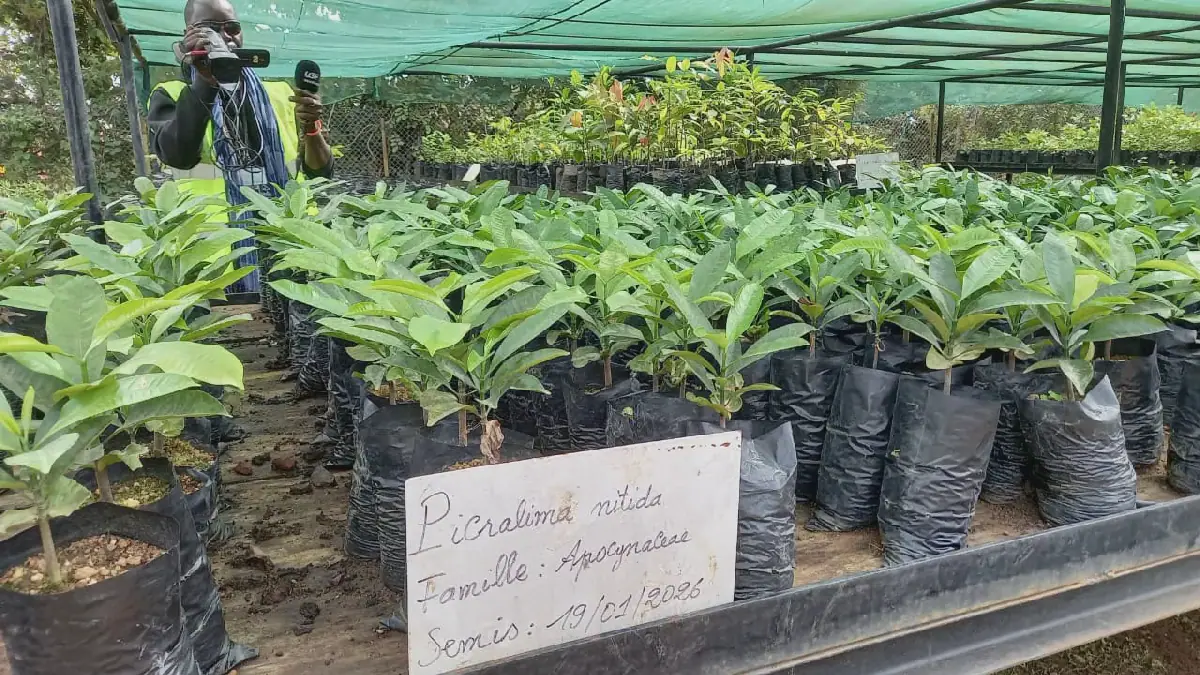
In an effort to preserve plant biodiversity, the Simandou project has established a nursery at Camp Kanga in Beyla, Guinea. The conservation and experimentation center, managed by a specialized environmental team, focuses on multiplying and preserving indigenous plant species, some of which are rare and hold significant socio-economic and ecological value. This initiative is part of a broader strategy to protect the region's unique natural heritage. The nursery was recently showcased to media professionals as part of an immersion program at the Rio Tinto SimFer site in Beyla.
The nursery is home to a variety of native plant species, many of which are found only in the Simandou region. Dr. Denise Maloumou, the nursery manager, emphasized that the center's primary goal is to understand how to multiply these rare species, which are often used by local communities for medicinal, food, and construction purposes. The nursery currently has 8,000 plants from 27 species, which were produced this year and distributed to support conservation efforts. The team prioritizes species that are at risk due to habitat loss, highlighting the urgent need for conservation.
The Simandou project's nursery initiative aims to contribute to the preservation of local plant diversity while deepening knowledge on the multiplication techniques of rare species and their potential uses by nearby communities. By focusing on species that are unique to the Simandou region, the project seeks to mitigate the risks associated with habitat loss and promote the growth of these valuable plants. This effort is part of a larger commitment to environmental sustainability and responsible management of natural resources in the region.
The nursery project has made significant progress, with 8,000 plants produced from 27 species this year. These plants are not only valuable for their ecological importance but also for their potential to support local communities. Many of the species found in the nursery have medicinal properties, while others can be used as food sources or for construction materials. By preserving and multiplying these species, the project aims to ensure their long-term survival and promote sustainable use.
The Simandou project's conservation efforts are crucial for maintaining the region's ecological balance and supporting local communities that depend on these plants for their livelihood. The project's focus on rare and endangered species highlights the importance of proactive conservation measures to protect Guinea's unique biodiversity. By working with local communities and environmental experts, the project aims to develop sustainable solutions for managing the region's natural resources.
The nursery is a key component of the Simandou project's environmental strategy, which emphasizes the importance of responsible resource management and conservation. By supporting the growth of rare plant species, the project aims to promote ecological sustainability and contribute to the well-being of local communities. The project's environmental team works closely with local stakeholders to ensure that conservation efforts are aligned with community needs and priorities.
The success of the nursery project underscores the importance of collaborative conservation efforts in protecting Guinea's natural heritage. By working together with local communities, environmental experts, and stakeholders, the Simandou project aims to promote sustainable development and environmental stewardship in the region. The project's commitment to conservation and responsible resource management sets a positive precedent for future initiatives in the region.
Key points
- The Simandou project has established a nursery in Beyla, Guinea, to conserve and study rare plant species native to the region.