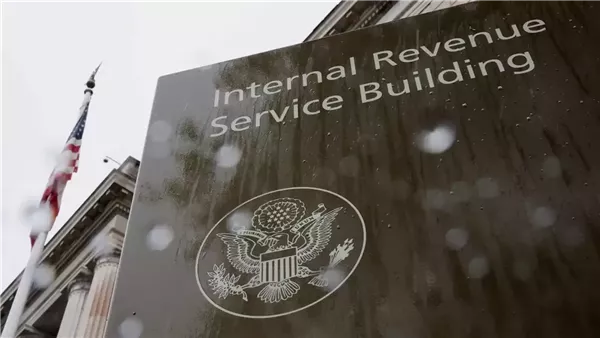
The United States is at risk of losing over $300 billion in tax revenue annually due to fraud, according to a report by the Government Accountability Office (GAO). The estimate is based on data from 2018 to 2024. This significant loss is equivalent to around 2% to 6% of the taxes owed. The GAO's report highlights the need for the Internal Revenue Service (IRS) to develop a strategy to combat tax fraud.
The GAO's estimate is based on a comprehensive analysis of tax data, which revealed that tax fraud is a significant challenge for the US government. The report notes that the IRS has faced challenges in detecting and preventing tax fraud, particularly during the COVID-19 pandemic. The pandemic led to a significant increase in tax-related scams and fraudulent activities. As a result, the GAO has recommended that the IRS develop a comprehensive strategy to combat tax fraud.
The issue of tax fraud has become a contentious topic in US politics, with Republicans focusing on reducing government spending to address the national debt. The current national debt stands at around $40 trillion. However, critics argue that this approach may not be effective in addressing the root causes of the problem. Meanwhile, Democrats have proposed increasing funding for the IRS to improve tax compliance and reduce tax fraud.
The IRS has faced significant funding cuts in recent years, which has impacted its ability to detect and prevent tax fraud. In 2022, Democrats allocated $79 billion to the IRS over a period of ten years to enhance its tax collection efforts and combat tax evasion. The Congressional Budget Office estimated that this increased funding would generate $204 billion in additional revenue.
Frank Beisnauer, the IRS Commissioner, has expressed concerns about the GAO's report, arguing that the watchdog's definition of tax fraud was too broad. He noted that some cases classified as tax fraud could be attributed to other common tax compliance issues. The IRS has acknowledged the need to improve its efforts to combat tax fraud and has taken steps to address the issue.
The GAO's report has significant implications for US tax policy and the ongoing debate about tax reform. The report's findings highlight the need for a more effective approach to addressing tax fraud and ensuring tax compliance. The IRS has been working to implement new measures to detect and prevent tax fraud, including the use of advanced technology and data analytics.
The US government's efforts to combat tax fraud are ongoing, with lawmakers and policymakers working to develop effective solutions to address the issue. The GAO's report provides a critical assessment of the current state of tax fraud in the US and highlights the need for continued action to address this significant challenge.
Key points
- The US may lose over $300 billion in tax revenue annually due to fraud.
- The IRS has faced significant funding cuts, impacting its ability to detect and prevent tax fraud.
- The GAO has recommended that the IRS develop a comprehensive strategy to combat tax fraud.