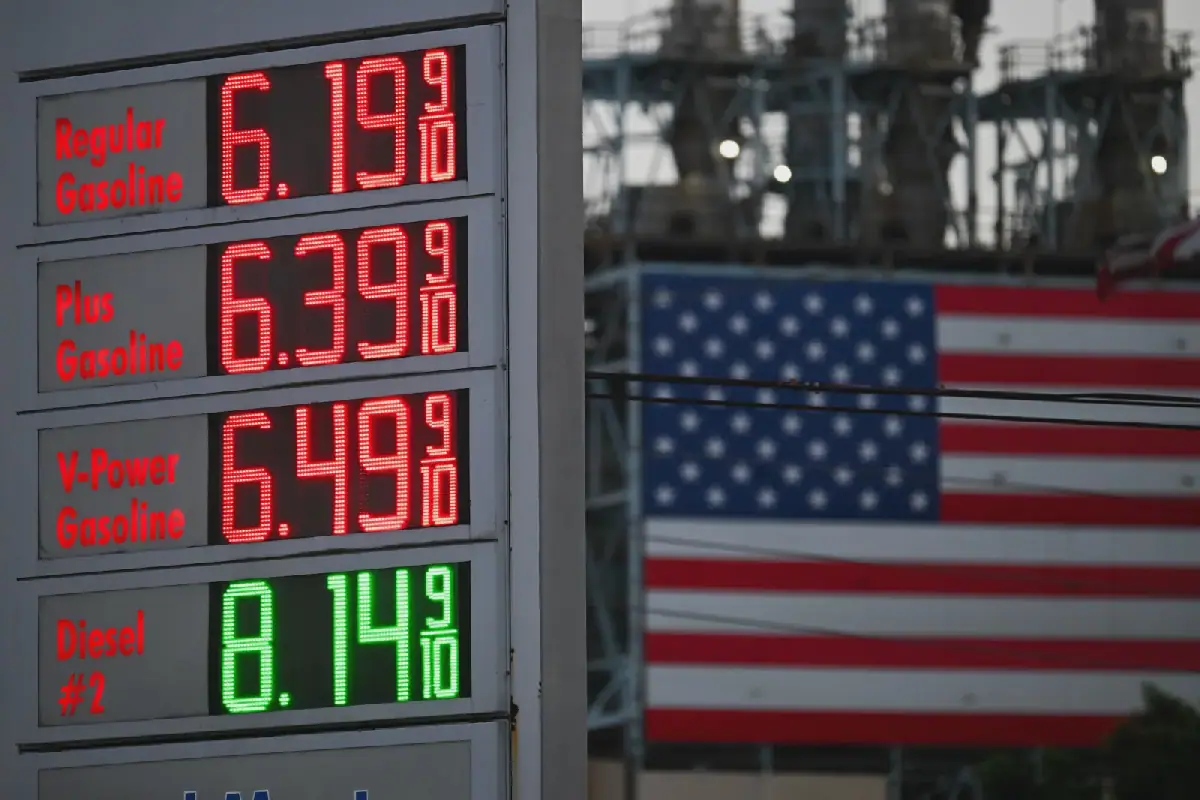
American households have been hit hard by rising fuel costs, paying $147bn more for gasoline and diesel since the start of the war with Iran. This surge in costs has added to an existing affordability crisis, with many struggling to afford basic necessities like housing and groceries. According to Moody's Analytics, the war has cost US households $1,184 more per year, just in terms of fuel prices.
The war has, however, been a boon for large oil and gas companies in the US. An analysis by The New York Times found that 50 major US oil and gas companies, including Valero Energy, have collectively made over $130bn in profits between April and September. This represents nearly three times the profits made during the same period last year. Companies like ExxonMobil and Chevron have seen significant increases in profits, with ExxonMobil more than doubling and Chevron almost tripling its profits in the third quarter compared to 2025.
Valero Energy, one of the companies that has seen record profits, has attributed its success to the current market conditions. Homer Bhullar, the company's chief financial officer, stated that the excess cash accumulated will eventually be directed towards shareholders. This news is likely to be welcomed by investors, but it does little to alleviate the financial burden on households.
The issue of rising fuel costs and the profits of oil companies has become a contentious topic in the US. President Donald Trump has faced criticism for downplaying the impact of the war on households and instead highlighting the benefits to the oil industry. At a recent rally in Arizona, Trump boasted about the profits being made in the oil industry, saying that the US is "making a killing" thanks to high oil prices.
The public is also feeling the strain, with a recent Gallup poll revealing that the war with Iran and rising gas prices are among the top concerns for voters ahead of the midterm elections. The issue has become a headache for Republican candidates, with several states controlled by Republican legislatures implementing temporary gas tax exemptions in an attempt to ease the burden on voters.
Despite these efforts, many experts believe that the measures are merely a temporary fix for a much larger problem. The war with Iran shows no signs of ending, and the US administration appears to be struggling to find a solution. As the conflict continues, households are likely to bear the brunt of the financial burden, while oil companies continue to reap record profits.
The current situation has raised questions about the need for a more comprehensive approach to address the issue of rising fuel costs and the profits of oil companies. As the US continues to navigate the complexities of the war with Iran, it remains to be seen how the issue will be addressed and what impact it will have on households and the oil industry.
Key points
- US households have paid $147bn more for gasoline and diesel since the start of the war with Iran.
- Large US oil and gas companies have collectively made over $130bn in profits between April and September.
- The issue of rising fuel costs and oil company profits has become a contentious topic in the US, with President Donald Trump facing criticism for downplaying the impact of the war on households.