The US Central Command, also known as CENTCOM, has announced that it has redirected 110 commercial ships to ensure they comply with the maritime embargo imposed on Iran. This move aims to enforce strict adherence to the embargo, preventing any potential breaches that could undermine the effectiveness of the sanctions. CENTCOM's efforts are focused on maintaining a robust maritime presence to deter and disrupt any attempts to circumvent the embargo.
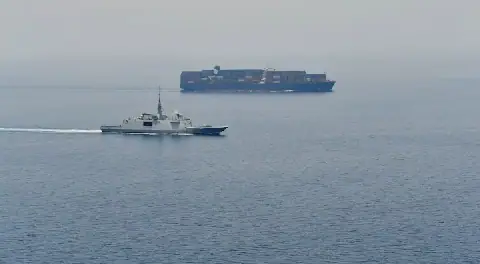
The USS Rafael Peralta, a guided-missile destroyer, continues to operate in regional waters, enforcing the US maritime embargo on Iran. The ship's presence is crucial in preventing the movement of trade into or out of Iranian coastal areas and ports. By maintaining a visible and active presence, the US aims to deter Iran from attempting to evade the embargo. The USS Rafael Peralta's operations are part of a broader effort to ensure the free flow of commerce while preventing Iran from benefiting from illicit trade.
The maritime embargo on Iran is part of a broader strategy to pressure the country to comply with international regulations and norms. The embargo restricts Iran's ability to engage in international trade, limiting its access to vital resources and revenue. The US and its allies have imposed the embargo to address concerns over Iran's nuclear program, ballistic missile development, and support for terrorist organizations. By enforcing the embargo, the US aims to create economic incentives for Iran to negotiate a peaceful resolution to these issues.
Recent developments in the region have highlighted the importance of maintaining a robust maritime presence. There have been reports of unknown projectiles hitting a gas tanker in the Strait of Hormuz, a critical waterway for international trade. Such incidents underscore the need for vigilance and cooperation among nations to ensure the security of maritime trade. The US and its allies are working together to address these challenges and maintain stability in the region.
The Strait of Hormuz, a vital shipping lane, has been a focal point of tensions in recent years. The waterway is crucial for the transportation of oil and other vital resources, making it a strategic location for international trade. The US and its allies have expressed concerns over Iran's activities in the region, including its support for terrorist organizations and ballistic missile development. By enforcing the maritime embargo, the US aims to limit Iran's ability to disrupt trade and create instability in the region.
The US is not alone in its efforts to enforce the maritime embargo on Iran. Other countries, including France and the United Kingdom, have expressed support for the embargo and are working together to ensure its effective implementation. This cooperation is essential in addressing the complex challenges posed by Iran's activities in the region. By working together, nations can create a more stable and secure environment for international trade and commerce.
The redirection of 110 commercial ships by CENTCOM highlights the ongoing efforts to enforce the maritime embargo on Iran. This move demonstrates the US commitment to maintaining a robust maritime presence and ensuring compliance with international regulations. The embargo remains a critical component of the international response to Iran's activities, and its enforcement will continue to be a key aspect of US and allied efforts to promote stability and security in the region.
Key points
- The US Central Command has redirected 110 commercial ships to ensure compliance with the maritime embargo imposed on Iran.