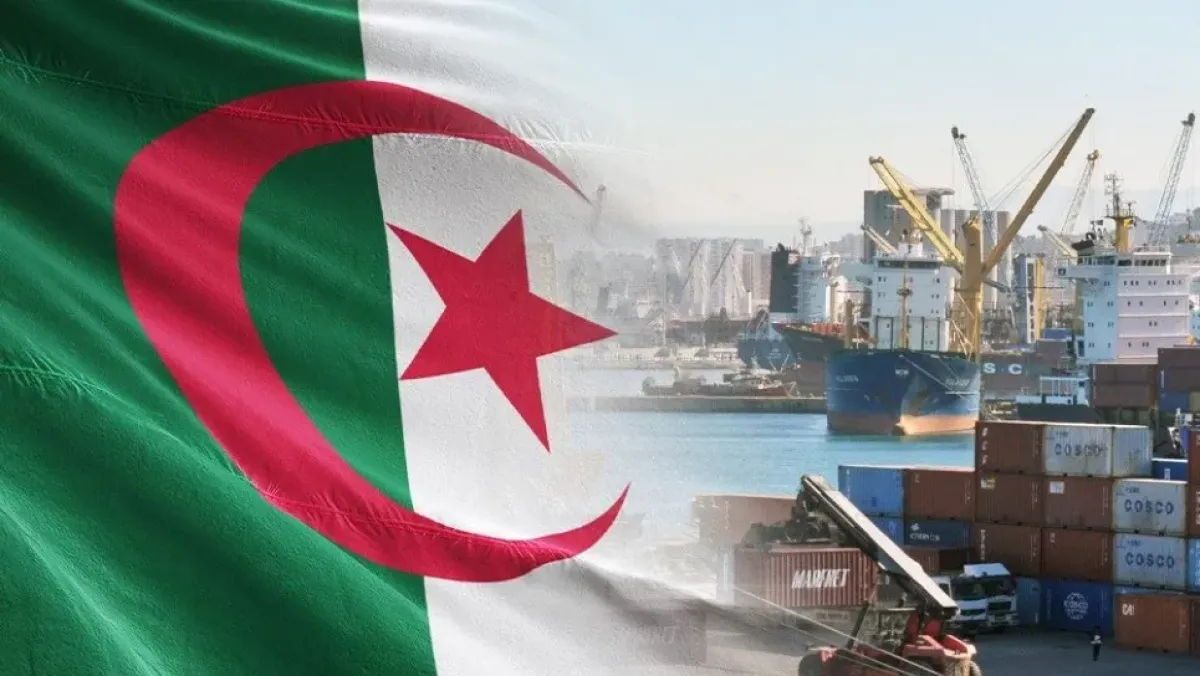
The International Monetary Fund (IMF) has praised Algeria's economy for its strong growth, citing a projected 3.8% increase in real GDP for 2026. According to the IMF, Algeria's economy grew by 3.9% in 2025, up from 3.7% in 2024, driven by robust investment. The country's economic growth has been fueled by a strong performance in non-hydrocarbon sectors, which expanded by 4.3% in 2025.
The IMF welcomed Algeria's efforts to diversify its economy, stating that the country's reform program has supported diversification and strong growth. The fund emphasized the importance of continued structural reforms to promote more sustainable growth led by the private sector. Algeria's progress in exiting the Financial Action Task Force's (FATF) list of countries subject to enhanced surveillance was also commended.
The IMF noted that Algeria's economic outlook remains positive, driven by higher hydrocarbon prices, which are expected to boost export earnings and public finances. The fund projects that the current account deficit will decline in 2026, driven by higher hydrocarbon prices and lower imports. This is expected to provide Algeria with an opportunity to rebuild its financial and external buffers.
The IMF praised Algeria's efforts to promote financial stability and inclusion, noting that the country's banks have adequate levels of liquidity, profitability, and capitalization. However, the fund emphasized the need for continued reforms to address risks related to high non-performing loans and state-enterprise-banks linkages.
To achieve medium-term growth, the IMF stressed the importance of accelerating diversification and structural reforms to improve the business climate and attract more private investment. The fund recommended reducing regulatory barriers, enhancing governance and transparency, and promoting a level playing field between public and private enterprises.
The IMF also highlighted the potential for Algeria to deepen its trade and energy links with Europe and Africa, given its strategic location and energy resources. This could support Algeria's integration into regional and international markets. However, the fund warned that risks related to hydrocarbon price volatility, fiscal deficits, and current account deficits remain.
The IMF concluded that strengthening fiscal sustainability, diversifying the economy, and increasing private investment are essential for supporting Algeria's economic resilience in the medium term. The fund's assessment was based on its recent consultations with Algerian authorities.
Key points
- Algeria's economy is projected to grow by 3.8% in 2026
- The IMF welcomed Algeria's efforts to diversify its economy and promote financial stability
- The fund emphasized the need for continued structural reforms to support sustainable growth