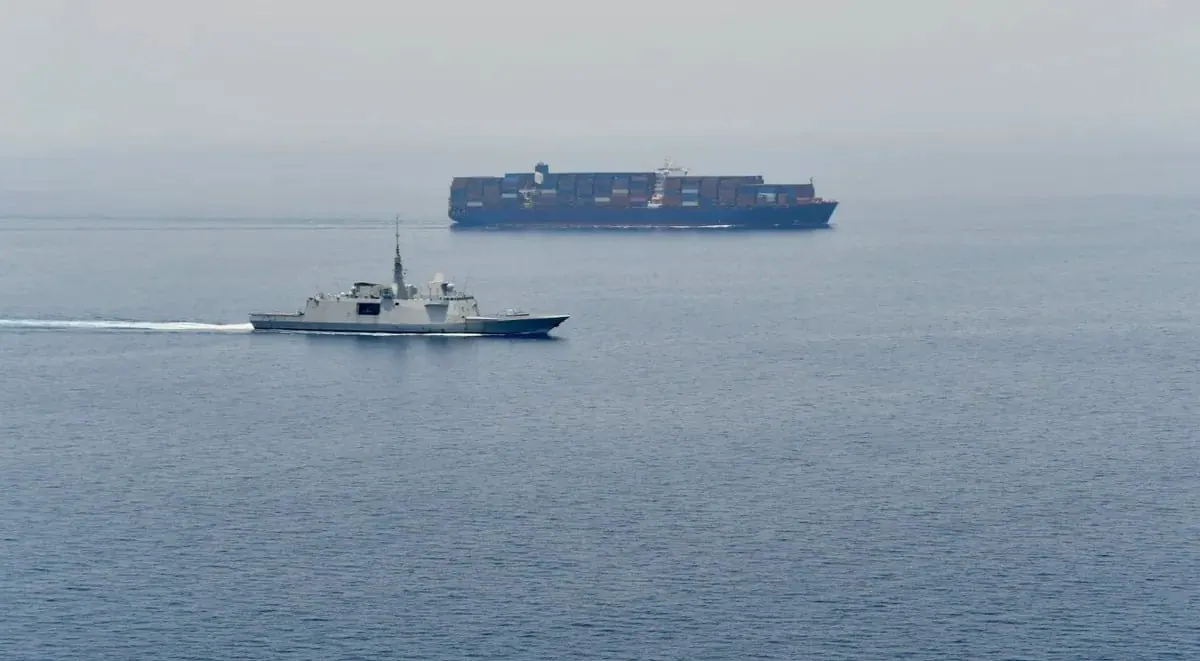
The European Union is set to bolster its maritime security presence in the Red Sea, following a call from its foreign policy chief, Kaja Kallas. On September 19, Kallas urged member states to provide additional warships and air capabilities to the EU's Aspides operation, aimed at protecting commercial shipping in the region. The move comes amid escalating threats to navigation in the Red Sea, which have impacted international trade and European economic interests.
The Red Sea has become a critical waterway for global trade, with the Bab-el-Mandeb strait serving as a vital link between the Red Sea and the Gulf of Aden. However, the region's security situation has deteriorated, prompting concerns among shipping companies and EU officials. Kallas emphasized that the Aspides operation has made a significant contribution to safeguarding navigation and regional security, but that its capabilities need to be enhanced to effectively counter emerging threats.
The EU's efforts to strengthen its maritime presence in the Red Sea are in response to a request from Italy, which has called for additional naval and air assets to be deployed to the region. The Italian government has expressed concerns about the security situation in the Red Sea, where Houthi attacks have damaged international trade routes. The EU is now considering Italy's request, with Kallas having written to member state governments on September 19, urging them to provide further support.
The security situation in the Red Sea has significant implications for global trade and the European economy. The region's importance as a shipping lane has been highlighted by the recent attacks, which have forced some companies to reassess their routes. The EU has recognized that the threats in the region extend beyond maritime security, impacting supply chains, international trade, and European economic interests.
Kallas's call for enhanced support for the Aspides operation reflects the EU's commitment to protecting its economic interests and ensuring the security of global trade routes. The operation, launched in February 2024, aims to provide a safe and secure environment for commercial shipping in the Red Sea. By bolstering its maritime presence, the EU seeks to mitigate the risks associated with navigating the region.
The EU's plans to enhance its maritime security presence in the Red Sea are part of a broader effort to address the region's security challenges. The bloc has been working closely with its partners to promote stability and security in the region, while also addressing the root causes of the threats. The EU's commitment to protecting its economic interests and ensuring the security of global trade routes is clear.
As the EU moves to bolster its maritime security presence in the Red Sea, it will be closely monitoring the situation and assessing the effectiveness of its efforts. The bloc's ability to adapt to emerging threats and challenges will be critical in ensuring the security of global trade routes and protecting its economic interests.
Key points
- The EU is set to enhance its maritime security presence in the Red Sea in response to growing threats to navigation and trade routes.
- The region's security situation has significant implications for global trade and the European economy.
- The EU's efforts to bolster its maritime presence are part of a broader effort to address the region's security challenges.