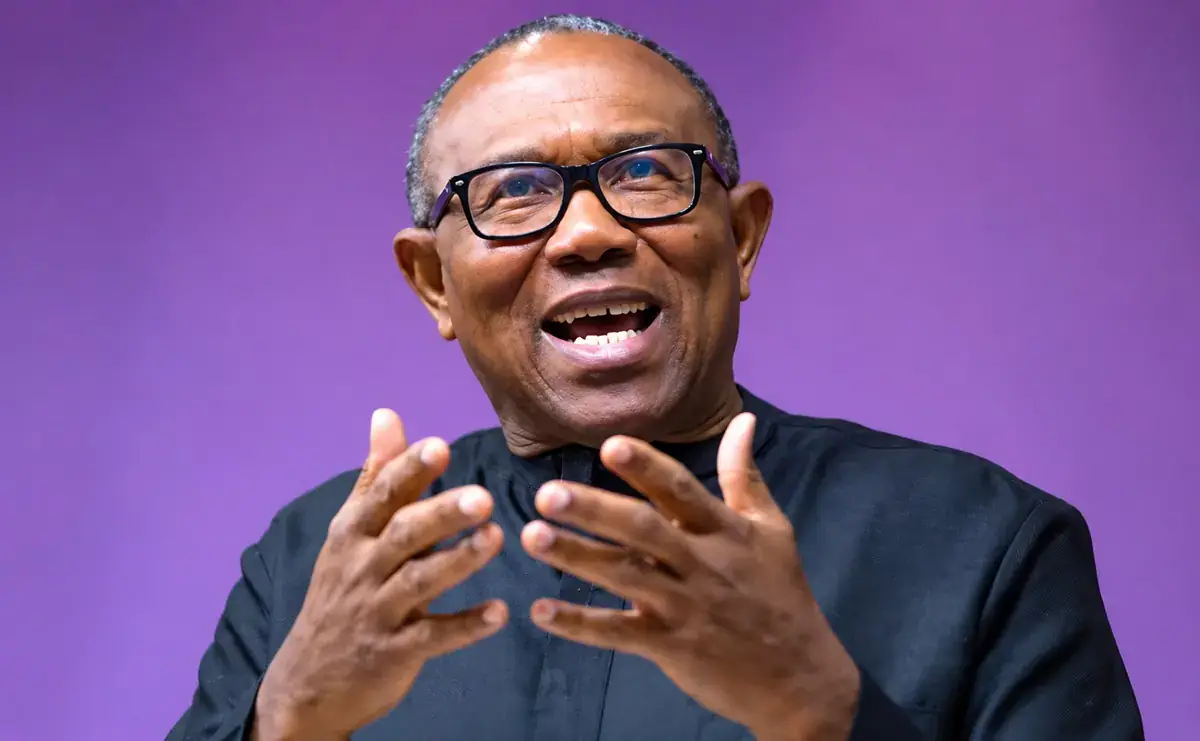
Former Anambra State Governor, Peter Obi, has defended his administration's education record, detailing investments in school infrastructure, teacher recruitment, and technology. Obi, the Nigeria Democratic Congress (NDC) presidential candidate for 2027, outlined his education policies in the third instalment of his "Nigerians, Go and Verify" series, titled "Building the Future Through Education." His administration invested in primary, secondary, technical, vocational, and tertiary institutions between 2006 and 2014.
Obi's education agenda included constructing five-classroom blocks in virtually all 177 Anambra communities, recruiting 9,000 teachers, and distributing 40,000 computers to schools. His administration also established Microsoft Academies in secondary schools, connected schools to the internet, and supplied generators, libraries, and sporting equipment. These investments led to improvements in Anambra's performance in WASCE, GCE, NECO, and JAMB examinations.
The former governor returned mission and privately owned primary and secondary schools to their original proprietors while providing government support for teachers' salaries and infrastructure. This policy, which attracted international attention, was based on the understanding that government did not need to own every educational institution to provide quality education. A World Bank-commissioned study led by Oxford economist Professor Paul Collier examined the policy and recommended it for replication by other Nigerian states and developing countries.
Obi challenged critics who claim his administration did not build schools, citing records of extensive community-based school infrastructure programmes. He also mentioned the renovation of hundreds of dilapidated schools, including Comprehensive Secondary School, Onitsha, and Oraukwu Grammar School. Technology industry executives praised the scale of Obi's investments, including the distribution of over 22,500 HP laptops and deployment of VSAT internet connectivity to over 500 secondary schools.
Obi cited commendations from industry executives, such as Fabrice Campoy, Managing Director of HP Inc.'s Personal Systems Group, and Ken Spann, then Country Manager and Head of Microsoft Nigeria. These endorsements reflected recognition of his administration's investments from professionals with direct knowledge of technology deployment across Africa. Obi's objective was to prepare Anambra children for a world driven by knowledge, science, and technology.
The former governor pledged to replicate his education policies nationwide if elected president, promising greater accountability, improved funding, and government support for public, private, and mission schools. Obi emphasized that education was central to his development agenda, explaining that his commitment to the sector predated his entry into politics. He described education as the foundation of meaningful development and one of the most enduring investments any government could make in its people.
Obi's education policies have been recognized for their innovative approach to public-private partnerships in education. His administration's efforts to improve education in Anambra have yielded positive results, and he aims to extend these benefits to the entire country. With his presidential bid, Obi seeks to implement his vision for education reform nationwide, building on his experience as a governor and his commitment to providing quality education for all Nigerians.
Key points
- Peter Obi invested in education infrastructure, including constructing five-classroom blocks in 177 communities and distributing 40,000 computers to schools.
- Obi's administration returned mission and privately owned schools to their proprietors while providing government support for teachers' salaries and infrastructure.
- The former governor pledged to replicate his education policies nationwide if elected president, promising greater accountability and improved funding for public, private, and mission schools.