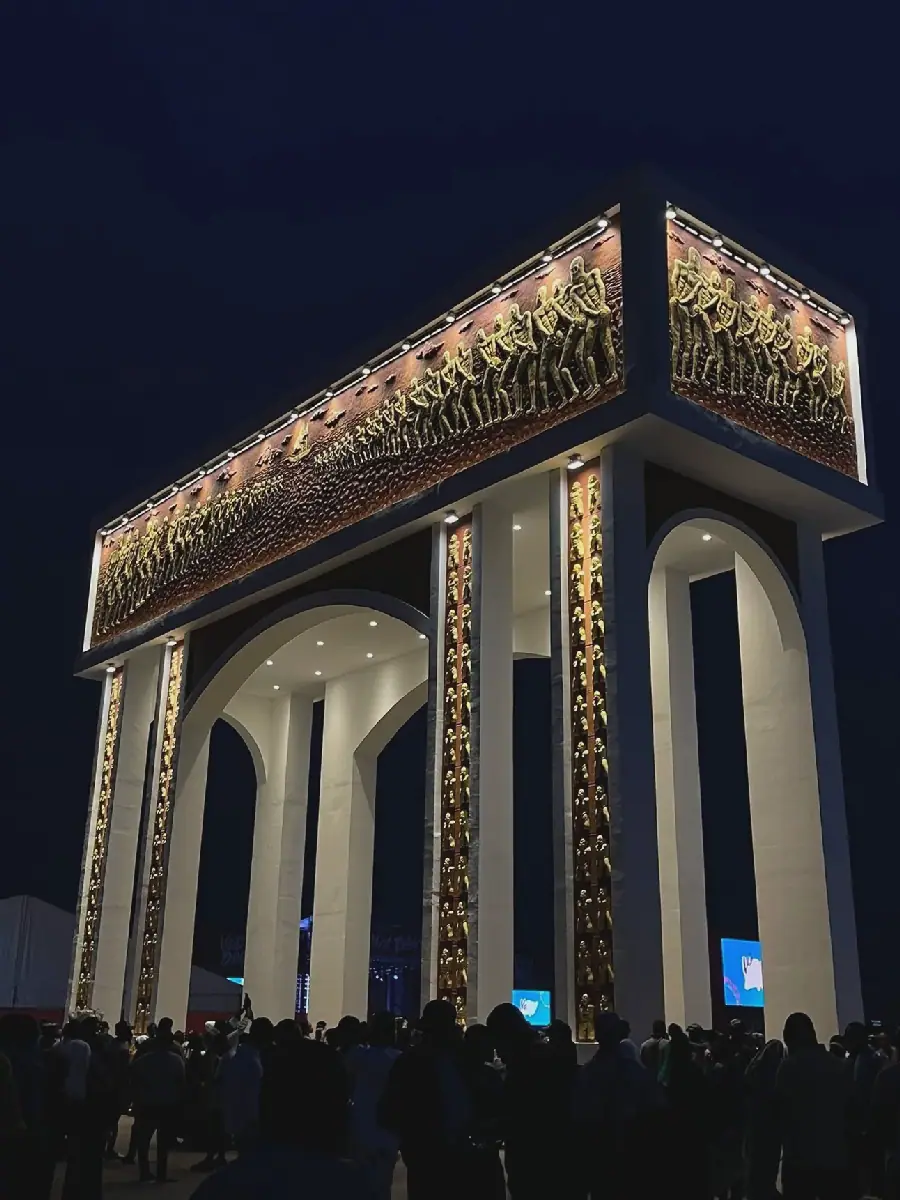
Ouidah, a city in southern Benin, has a rich and complex history that predates its association with the transatlantic slave trade. Before European colonization, Ouidah was a structured kingdom with its own kings, lineages, deities, and institutions. The city's history dates back to the 16th century, when it was a major commercial center, with its capital in Sahé and a coastal city called Gléhoué. The kingdom was organized around these two cities, with Sahé serving as the political and commercial capital.
In 1727, the kingdom was conquered by Agadja, the king of Dahomey, but this did not mark the end of the Houéda people's identity. According to historian Félix Iroko, the archives of the colonial era often overlooked the continuity of local cultural and religious practices in Benin. Despite domination by Dahomey and later European colonization, the Houéda people's beliefs, identities, and memories persisted. This is evident in the city's cultural heritage, which continues to reflect its pre-colonial past.
Historians and researchers are working to reclaim and document Ouidah's forgotten history. Professor François Adébayo Abiola, with the Académie nationale des sciences, arts et lettres du Bénin, has launched a program to rehabilitate forgotten heroes, document resistance to colonization, and correct historical narratives inherited from the colonial era. The goal is to cross-reference archives, testimonies, and oral traditions to establish accurate historical facts. This project aims to promote a more nuanced understanding of Ouidah's history and its significance in Benin's cultural heritage.
Ouidah's strategic location made it an important port city under Dahomey's domination. The king installed his authority in the city, with the Yevogan managing relations with Europeans. The city became a hub of encounter and tension between Dahomey's interests, European ambitions, and Atlantic networks. Local merchant families, such as the Adjovi, Houénou, and Gnahoui, played a crucial role in the city's economy, which was heavily influenced by the transatlantic slave trade.
The city's history is also marked by the influence of Afro-Brazilian communities that returned to Africa in the 19th century. These communities, known as Agouda, contributed significantly to Ouidah's cultural heritage, including its architecture, social practices, and gastronomy. However, historian Charlemagne Segbedji notes that it's essential to approach this history with nuance, acknowledging both the positive contributions and the painful legacy of the slave trade.
One of the most influential figures in Ouidah's history is Francisco Félix de Souza, a Brazilian-born man who became a key figure in the kingdom in the 19th century. De Souza's fortune was closely tied to the slave trade, and his legacy remains complex and contested. Historians like Léonard Wantchékon are working to shed light on the experiences of the Agouda communities and their contributions to Ouidah's history.
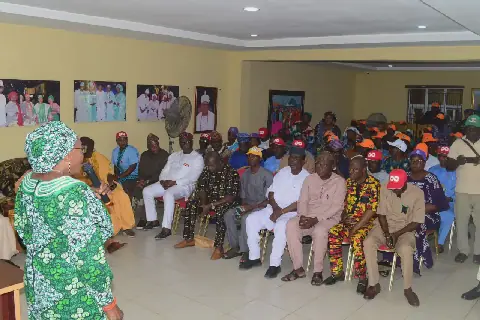
Today, Ouidah continues to grapple with its complex history and cultural heritage. In 1944, the Houéda people organized a ceremony to reconnect with their memory and heritage. The Union sympathique des Houédas et de leurs assimilés was established in 1947 to promote recognition of the Houéda identity and transmit their history to future generations. As Benin continues to develop its cultural and historical tourism industry, Ouidah's story serves as a powerful reminder of the complexities and nuances of the country's past.
Key points
- Ouidah's history predates its association with the transatlantic slave trade, with a rich cultural heritage as a pre-colonial kingdom.