The United States Ambassador to the United Nations, Mike Waltz, has criticized Iran's proposal to reopen the Strait of Ormuz, describing it as "cynical". In an interview with NBC, Waltz stated that Iranian leaders knew their proposal would be unpalatable to Washington. The proposal, announced by Iran on Friday, involves reopening the strategic waterway within seven days of acceptance. Waltz expressed skepticism, noting that Iran's demands included the lifting of sanctions, access to billions of dollars in assets, and an end to the blockade.
Iranian Foreign Minister Abbas Araghchi responded to Waltz's comments, dismissing them as "old, unfounded accusations". Araghchi emphasized that Tehran is willing to reopen the Strait of Ormuz if certain conditions are met by the United States. These conditions, according to Araghchi, include the unfreezing of Iranian assets and the ability to sell hydrocarbons internationally. He noted that these demands are not new and were part of previous agreements between the two countries. Araghchi expressed pessimism about the prospects of an agreement, citing the US government's behavior over the past two years.
US President Donald Trump has already rejected Iran's proposal, stating that Tehran wants a deal because it is "getting badly beaten". Waltz echoed Trump's skepticism, suggesting that Iran's leaders should come to the negotiating table and adhere to international law and their obligations under the non-proliferation treaty. The Ambassador emphasized that Trump remains open to an agreement, particularly regarding enriched uranium.
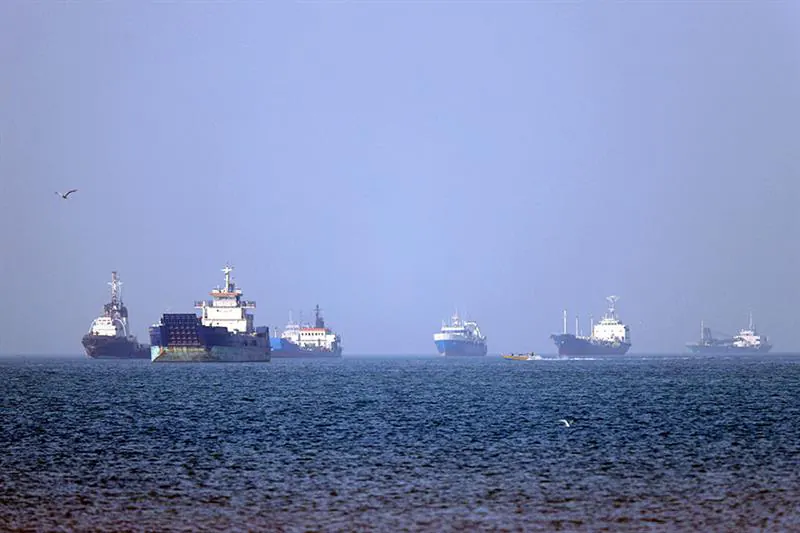
The Strait of Ormuz is a critical waterway for global oil exports, and tensions between the US and Iran have been high in recent months. Iran's proposal to reopen the strait has been met with skepticism by US officials, who view it as an attempt to gain concessions without making significant concessions of its own. The Iranian government has faced significant economic challenges due to US sanctions, and the country's leaders have sought to find ways to mitigate these effects.
Araghchi's comments suggest that Tehran remains committed to its conditions for reopening the Strait of Ormuz. However, his pessimism about the prospects of an agreement raises questions about the potential for future negotiations. The US and Iran have a long history of tense relations, and finding a mutually acceptable solution will likely require significant concessions from both sides.
The international community has been closely watching developments in the region, given the potential for conflict to disrupt global oil supplies. Any agreement between the US and Iran would likely have significant implications for regional security and global energy markets. However, with both sides appearing entrenched in their positions, a breakthrough seems uncertain.
Despite the rejection of Trump's administration, Iran maintains its conditions for reopening the Strait of Ormuz. Key points include:
Key points
- The US views Iran's proposal as "cynical" and unpalatable.
- Iran seeks the lifting of sanctions and access to frozen assets.
- A breakthrough in negotiations appears uncertain due to entrenched positions.