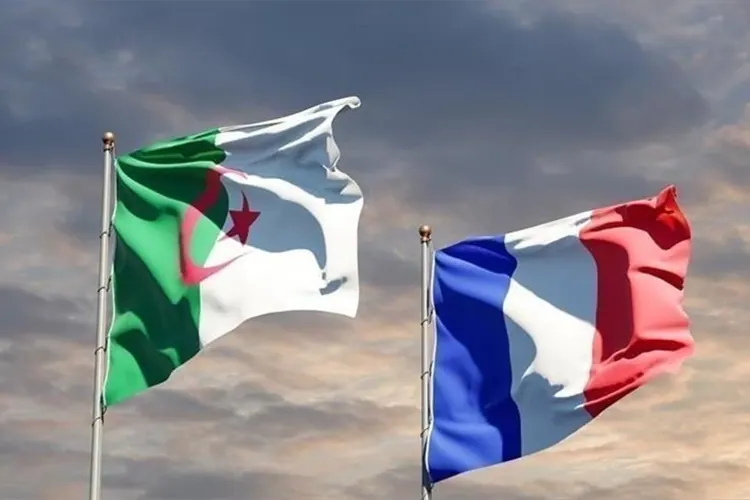
A new book, "Algeria - Paris: Toxic Issues," by French journalists Christophe Dubois and Marie Christine Tabi, explores the significant deterioration of Algerian-French relations over the past decade. The book, set to be released on September 30, provides an in-depth investigation into the complexities of the relationship, which has become increasingly strained since 2024. According to the authors, the relationship has evolved from a "historical passion" to a "toxic" one, with issues such as history, memory, colonialism, migration, security, and diplomacy contributing to the rift.
The book is based on interviews with nearly 100 individuals closely related to Algerian-French relations, including ministers, diplomats, intelligence officers, and political refugees. The authors also claim to have accessed unpublished documents to reveal the "backstage" of a new Cold War between Algeria and France. One of the key events that triggered the crisis was the change in France's position on the Western Sahara issue, as well as the imprisonment of an Algerian consular officer outside diplomatic norms.
The authors highlight that the main issue sparking the crisis was not addressed directly, with the book focusing instead on the deportation of Algerians who received expulsion orders from French territory and the imprisonment of French-Algerian writer Boualem Sansal and sports journalist Christophe Glez. The book also examines the transformations in Algeria following the 2019 popular movement and its impact on the political scene, as well as the interplay of differences and accusations of mutual security and intelligence operations.
The legacy of colonialism and the memory of war continue to exert significant pressure on bilateral relations, according to the authors. They argue that France's inability to adopt a courageous and responsible stance, acknowledging and apologizing for colonial crimes committed in Algeria over 132 years, has contributed to the ongoing crises. The book also notes that the "Algerian question" has become a divisive issue in French politics, extending beyond traditional right-wing and far-right parties.
The authors suggest that the crisis between Algeria and France cannot be reduced to a simple disagreement between President Abdelmadjid Tebboune and Emmanuel Macron. Instead, they portray a complex relationship where the two countries, despite their conflicts, remain closely interconnected. The book's release, coinciding with the approach of the French presidential election, is expected to influence the French political debate.
The book offers a unique perspective, drawing on the authors' access to decision-making circles, security, and diplomacy. The influence of former French Ambassador to Algeria Xavier Laurance is also evident in the book, with a reference to a former ambassador's testimony. The authors' work provides a detailed account of the complexities driving the strained relations between Algeria and France.
The strained relations between Algeria and France have garnered significant attention, particularly in France, where many were surprised by the unprecedented level of tension between the two countries. The book provides an in-depth analysis of the factors contributing to this rift and offers insights into the complex dynamics at play.
Key points
- The book examines the deterioration of Algerian-French relations over the past decade.
- The authors conducted interviews with nearly 100 individuals closely related to Algerian-French relations.
- The legacy of colonialism and the memory of war continue to exert significant pressure on bilateral relations.