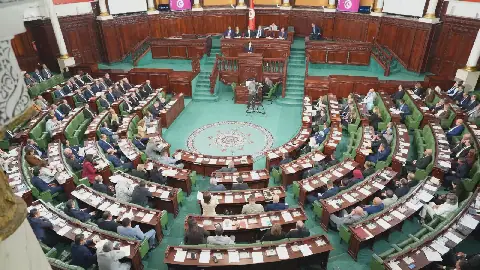
In South Africa, more than 120 municipalities are currently hung, with coalition talks underway to form new administrations. However, with pressure mounting on political parties to reach agreements, concerns are growing about what happens if negotiations fail. According to Dr. Lungelwa Kaywood, an extraordinary associate at Stellenbosch University's School of Public Leadership, governance should not be hindered by coalition negotiations. The law outlines a sequence of events that must be followed, including the first council sitting within 14 days after the Electoral Commission of South Africa declares the elections fair and free.
Dr. Kaywood emphasizes that councils must convene regardless of whether coalition agreements have been finalized. The first sitting is primarily aimed at electing a speaker, with the municipal manager presiding over proceedings until that process is completed. The municipal manager will have to ensure that the election of the speaker takes place, which may involve multiple votes until a candidate is agreed upon. This process is crucial in ensuring that councils become operational and that governance is not disrupted.
While coalition negotiations can be contentious, Dr. Kaywood notes that the law provides for intervention if councils fail to function. In such cases, the municipal manager and administration will continue with service delivery. According to Dr. Kaywood, municipal administrations continue to operate even when councils have not yet been constituted, ensuring that residents do not experience immediate disruptions in service delivery.
One of the key concerns for residents is whether coalition deadlock could disrupt service delivery. However, Dr. Kaywood clarifies that the legal 14-day deadline applies to councils convening, not to coalition negotiations. She expressed concern that prolonged instability could eventually affect governance and financial oversight, particularly if councils are unable to pass budgets and review mid-term budget reviews.
Dr. Kaywood also raised concerns that coalition negotiations are not always driven by governance and service delivery priorities. She believes that voters should have greater insight into coalition agreements, as they ultimately shape municipal governance. The decisions taken during negotiations could influence council policies for the next five years, emphasizing the importance of transparent and accountable coalition agreements.
Despite her concerns, Dr. Kaywood expects political parties to ultimately be compelled to compromise. With smaller parties potentially becoming kingmakers in hung councils, trade-offs are likely to occur. She believes that councils will find a way to become operational, with speakers being elected and governance being established.
Ultimately, Dr. Kaywood remains optimistic that councils will sit and function despite the challenges of coalition negotiations. She notes that it is highly unlikely that provinces will have to intervene, leading to a dissolution and re-election, which would be undesirable for all parties involved. As the negotiations continue, residents will be watching closely to ensure that governance and service delivery are not disrupted.
Key points
- Governance should not stop due to coalition negotiations.
- Municipal administrations continue to operate even when councils have not yet been constituted.
- Coalition negotiations should prioritize governance and service delivery priorities.