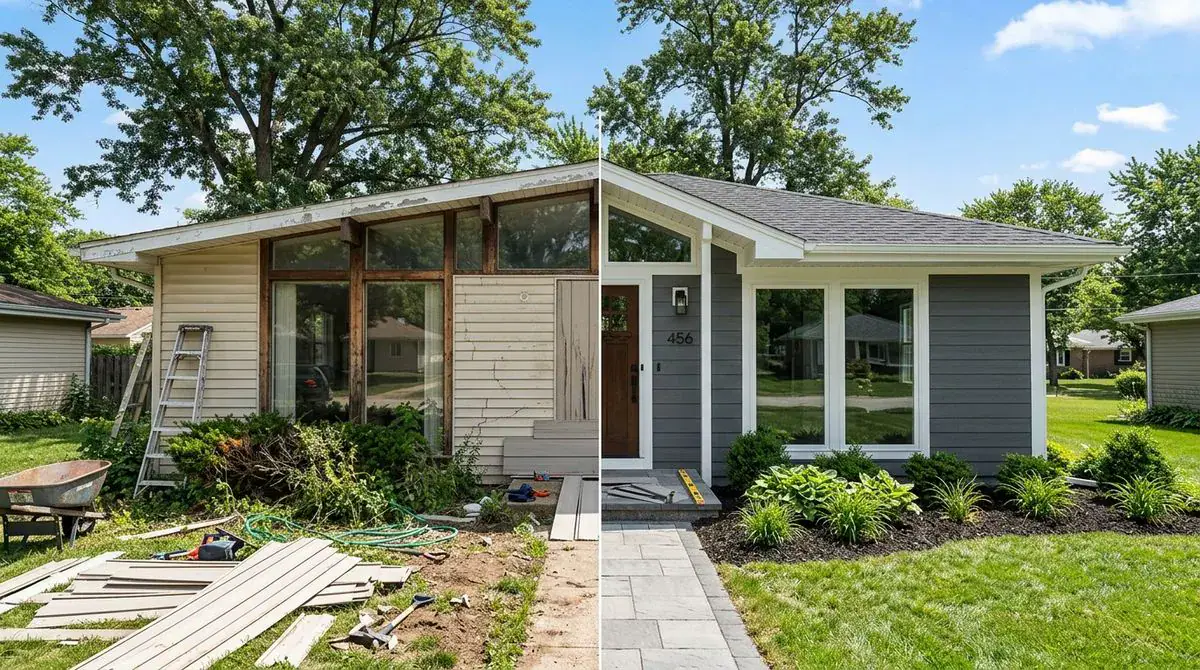
In Tanzania, managing a residential rental portfolio requires more than just collecting monthly checks. For independent landlords and real estate entrepreneurs, tenant retention is key to steady cash flow. Frequent turnover can drain operational capital through vacant intervals, marketing expenses, and cleaning cycles. To encourage long-term residency, property owners should focus on deliberate upgrades that improve day-to-day comfort, attracting conscientious residents who treat the living space with care and renew their leases.
Modern tenants in Tanzania value environmental efficiency, seeking to minimize ecological waste and reduce utility bills. Practical investments in durability, utility management, and functional layouts can turn an ordinary rental into a welcoming home. Simple modifications such as weatherstripping doors, installing dual-flush plumbing valves, and adding low-flow faucet aerators can decrease household water waste and lower heating burdens. Resources like Greenrenters.org offer ideas on eco-friendly fixtures and conservation methods.
Sustainable improvements not only benefit tenants but also safeguard the physical structure of the property. High-efficiency fixtures reduce stress on internal plumbing lines, while tightly sealed windows and doors prevent outside moisture from infiltrating walls. Low-emission paints and durable flooring made from renewable materials improve indoor air quality, creating a positive impression during property viewings.
Before upgrading, landlords should examine how residential needs have evolved in Tanzania. Today, residents spend more time inside their homes for remote work, personal projects, and family gatherings. Functional utility and thoughtful space utilization matter more to prospective renters than decorative upgrades. Consider creating dedicated functional spaces, such as a quiet corner for a workstation or upgrading closet storage with modular shelving and hanging rods.
Managing renovation schedules and supply bottlenecks is crucial to avoid lost rental income. Business owners must monitor contractor activities and building supplies, identifying delays before work halts. Strategic concepts like early-warning systems for delivery risks help project managers find alternate vendors or adjust trade schedules. Honest communication with skilled tradespeople is essential, including realistic completion milestones and a small buffer in the renovation timeline.
Consistency is key to sustainable rental enterprises in Tanzania. Create a standardized inspection checklist to evaluate essential systems during every vacancy. Regular evaluations help identify hidden problems before an occupant moves in. Focus on inspecting core residential components, such as smoke alarms, plumbing supply lines, exterior door latches, and electrical wall receptacles. Documenting each completed inspection establishes mutual trust and reduces disagreements regarding security deposits.
Physical upgrades and diligent maintenance provide the foundation for tenant satisfaction, but professional communication solidifies long-term retention. The onboarding experience sets expectations for the entire lease term. When residents encounter attentive, organized management, they are more inclined to treat the residence with respect and report maintenance issues promptly. According to the Business Times, this approach can lead to increased tenant retention and a stable rental business.
Key points
- Practical upgrades focusing on durability, utility management, and functional layouts can increase tenant retention in Tanzania.
- Sustainable improvements, such as eco-friendly fixtures and low-emission paints, can benefit both tenants and property owners.
- Effective communication and a standardized inspection checklist can establish mutual trust and reduce disagreements regarding security deposits.
Reporting sources
- How to Upgrade Residential Properties for Long-Term Tenants · Business Times