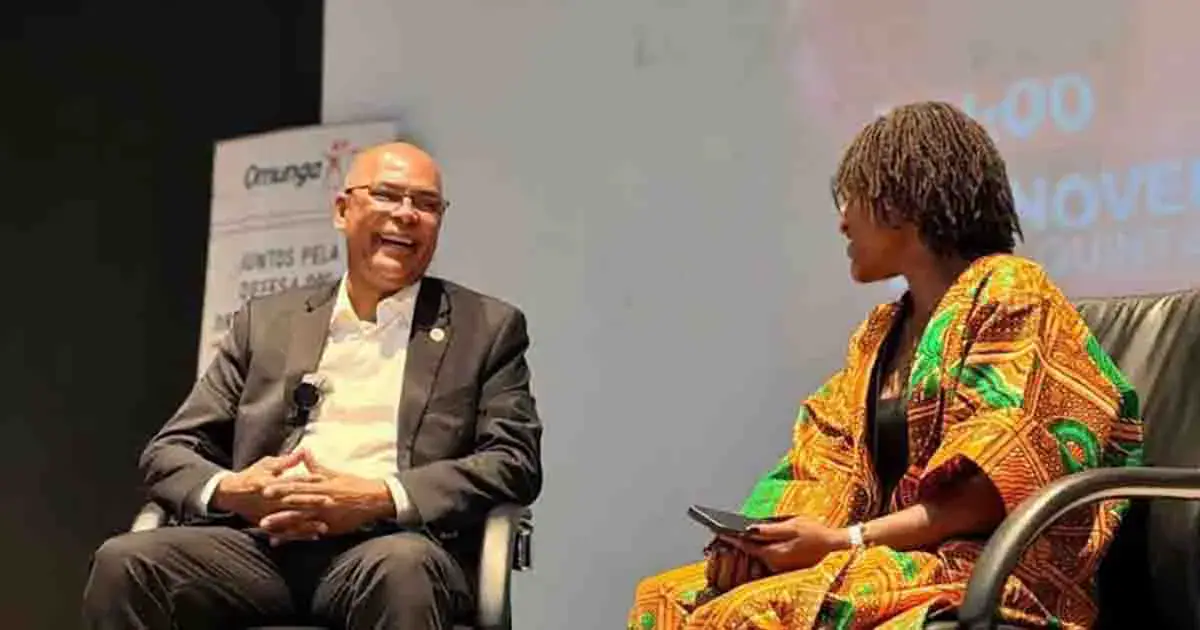
Angolan opposition party UNITA's leader, Adalberto Costa Júnior, has expressed concerns about the risks of political instability in the 2027 general elections. He cited worrying indicators regarding the country's democratic process during a debate in Benguela. The event, titled "2027 Elections in Angola: Paths to Political Alternation, Challenges, and Opportunities for Consolidating the Rule of Law in UNITA's Vision," aimed to discuss the country's electoral process. Costa Júnior emphasized the need for active citizen participation to prevent Angola from replicating situations seen in other African countries.
Costa Júnior mentioned Tanzania and Uganda as examples of countries with problematic electoral experiences. He stressed that participation is crucial for maintaining stability and avoiding the repetition of negative examples. However, he noted that current indicators are not promising. The UNITA leader accused the government of making decisions and taking actions solely to maintain power, rather than focusing on the country's development. This approach, he argued, compromises the nation's growth and undermines its democratic process.
According to Costa Júnior, the government's focus on maintaining power leads to a subordination of state activities to the interests of those in power. This situation, he claimed, has severe consequences for the country, including the conditioning of normal state functioning during electoral periods. The UNITA leader also expressed concern about the risks of political instability associated with the maintenance of power. He believes that the country's democratic alternation continues to face obstacles and that the current system is unsustainable.
Costa Júnior associated the risks of instability with a growing trend of "institutional coups" in Africa, allegedly perpetrated by rulers through electoral processes. He accused those in power of using elections to maintain their positions and manipulating the system to ensure their continued control. The UNITA leader pointed to the alleged control of constitutional tribunals and national electoral commissions as factors that may compromise the credibility of democratic processes.
The UNITA leader also criticized the internal electoral process of the ruling party, the Movimento Popular de Libertação de Angola (MPLA). He argued that the party exhibits concerning signs in managing democratic plurality. Costa Júnior made reference to the upcoming MPLA congress, which is set to take place. The UNITA leader's comments highlight the ongoing tensions between the ruling party and the opposition in Angola.
During the debate, Costa Júnior called for Angolans to actively participate in the electoral process to ensure stability and prevent the repetition of negative examples. He emphasized that the country's future depends on the citizens' engagement and their ability to demand a more transparent and fair electoral process. The UNITA leader's warnings come as Angola prepares for the 2027 general elections, which are expected to be a crucial moment for the country's democratic development.
The situation in Angola has raised concerns among observers and citizens alike. The country's democratic process has faced challenges in recent years, and the 2027 elections are seen as a critical test for the nation's stability and growth. As the electoral process approaches, the international community and local stakeholders will be closely watching the developments in Angola. The outcome of the 2027 elections will likely have significant implications for the country's future and its place in the region.
Key points
- UNITA leader Adalberto Costa Júnior warns of risks of political instability in 2027 Angolan elections
- Costa Júnior cites worrying indicators regarding the country's democratic process
- The UNITA leader calls for active citizen participation to prevent Angola from replicating negative electoral experiences seen in other African countries