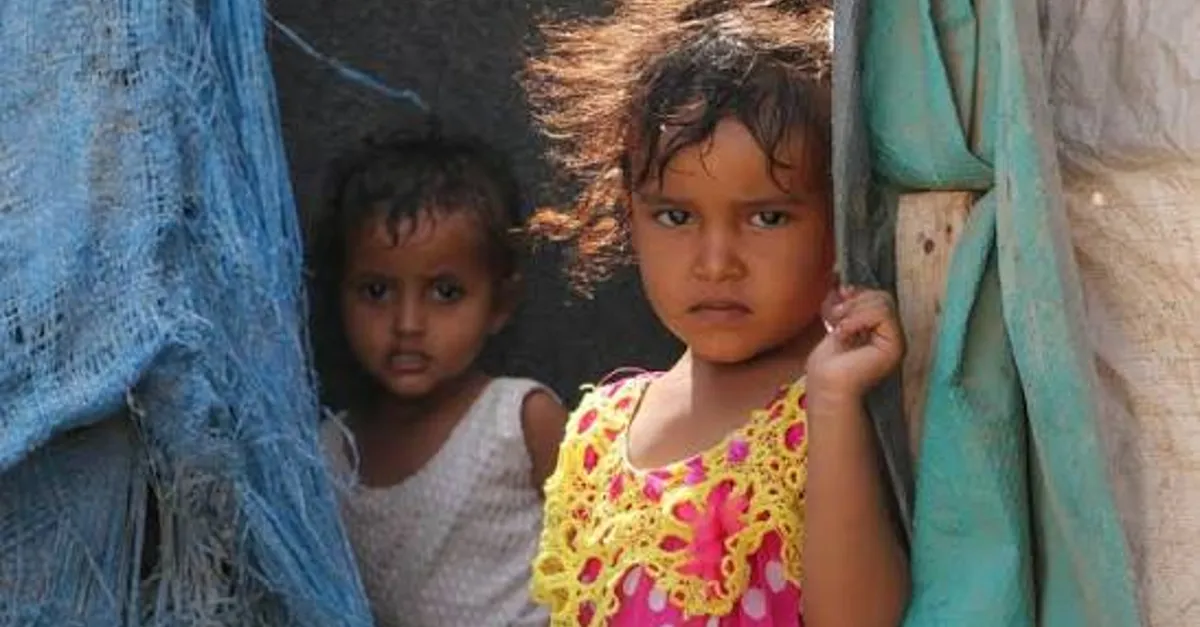
The United Nations Children's Fund (UNICEF) has warned of a looming malnutrition crisis among Yemeni children, with an estimated 2.2 million children expected to suffer from malnutrition by 2026. This includes over 500,000 children who will face severe acute malnutrition, a condition that can be life-threatening if left untreated. According to UNICEF, the situation is dire, with one in four children already suffering from malnutrition.
UNICEF's recent assessments have revealed that over 2,900 children were examined, with more than 200 suffering from severe acute malnutrition. The organization has been working to address the issue, with teams conducting screenings and providing treatment to affected children. However, the situation remains critical, with the ongoing conflict and humanitarian crisis exacerbating the problem. UNICEF's spokesperson, Ali Qasim, emphasized the need for continued efforts to detect and treat malnutrition cases early.
The humanitarian situation in Yemen continues to deteriorate, with children bearing the brunt of the crisis. According to UNICEF, 15 children have been killed and 14 injured in recent weeks, with the actual numbers likely higher due to ongoing verification efforts. The organization has documented a significant increase in displacement, with families and children facing dire humanitarian conditions. The situation is particularly concerning in provinces such as Taiz, Lahj, Abyan, and Al-Dhale.
UNICEF has responded to the crisis by scaling up its interventions, including the operation of over 25 mobile clinics providing comprehensive health and nutrition services to children. These services include treatment for malnutrition, vaccination programs, and disease management. The organization is also working to provide safe water, sanitation, and psychological support to affected children. Despite these efforts, the needs remain vast, with UNICEF calling for enhanced humanitarian response.
The impact of the conflict on education has also been significant, with over 243 schools forced to close, depriving more than 137,000 children of education. UNICEF is working to establish temporary classrooms to ensure continuity of learning for affected children. The organization has also provided emergency supplies and support to displaced families. However, the repeated displacement of families has become a painful reality, with some families forced to flee for the seventh time.
UNICEF's efforts to address the malnutrition crisis are ongoing, with a focus on early detection and treatment. The organization is working with partners to provide critical services, including nutrition support, healthcare, and education. However, the ongoing conflict and humanitarian crisis continue to pose significant challenges, with UNICEF warning of the dire consequences of inaction. The organization is calling for sustained support to address the needs of Yemeni children.
The situation in Yemen remains critical, with children facing a high risk of malnutrition, displacement, and violence. UNICEF's warning of a looming malnutrition crisis underscores the need for immediate action to address the humanitarian crisis. The organization is working to provide critical services, but the needs remain vast, with sustained support required to protect the lives and well-being of Yemeni children.
Key points
- UNICEF warns of a looming malnutrition crisis among Yemeni children, with 2.2 million expected to suffer from malnutrition by 2026.
- The organization reports over 500,000 children will face severe acute malnutrition, a life-threatening condition if left untreated.
- UNICEF has responded to the crisis by scaling up interventions, including operating over 25 mobile clinics providing health and nutrition services.