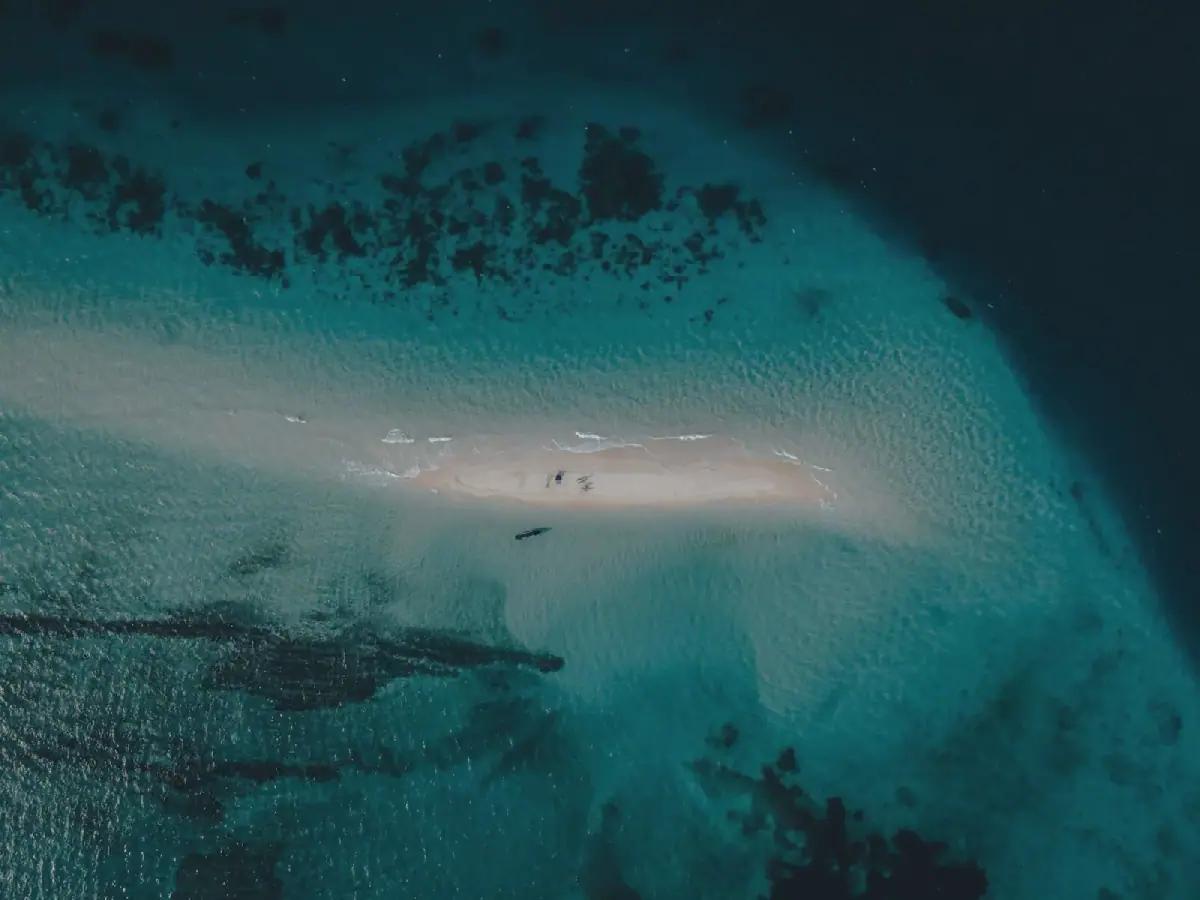
Zanzibar's east coast is characterized by a strong tidal swing, which significantly impacts swimming conditions. At high tide, the coast appears as typically depicted in travel photographs, with turquoise water and white sand. However, at low tide, the sea retreats hundreds of meters, exposing the seabed. This tidal pattern means swimming on the east coast is not possible at any time, with a practical swim window of approximately 2-4 hours around high tide.
The tidal shift is crucial to understand, as it advances by approximately 50 minutes per day. This means that the high-tide window changes daily, requiring visitors to plan their beach activities accordingly. Hotels provide a tide sheet, which is essential to read and plan around, as it indicates the best times for swimming. The east coast, including beaches like Paje, Jambiani, and Matemwe, is fully exposed to the Indian Ocean's tidal patterns, making swimming conditions highly dependent on the tide.
In contrast, the north coast, which includes beaches like Nungwi and Kendwa, has a natural reef arrangement that buffers the tidal effect, providing swimmable water at virtually any tide. However, this comes with the tradeoff of crowds and a more developed, resort-focused environment. The west coast, particularly around Stone Town, is not suitable for swimming due to strong currents, boat traffic, and poor water quality.
Each beach on the island has its unique characteristics and swimming conditions. Nungwi, for example, offers all-day swimming, with a naturally protected lagoon that maintains swimmable depth at most tidal states. Kendwa is a good fit for those who want reliable swimming, with a sheltered bay and swimmable water at most states of tide. Paje, on the other hand, follows the classic east coast tidal pattern, with excellent swimming conditions at high tide and a long walk across seagrass at low tide.
The island's east coast, while beautiful at high tide, can be disorienting for visitors who are not prepared for the tidal changes. At low tide, the exposed seabed offers opportunities to explore, with sea stars, octopus, and small fish visible in tide pools. However, swimming requires waiting for the tide, making it essential to plan beach activities around the tidal patterns.
Water temperature is not a concern for visitors, as the Indian Ocean around Zanzibar stays warm throughout the year, typically ranging from 26-29°C. This means that no wetsuit is needed for recreational swimming at any time of year. The slightly cooler water temperatures from June through August do not significantly impact swimming conditions.
To make the most of their beach experience, visitors are advised to understand the tidal patterns, plan their activities accordingly, and take necessary precautions, such as wearing water shoes on the east coast. By being aware of the tidal changes and beach conditions, visitors can enjoy a safe and enjoyable swimming experience in Zanzibar.
Key points
- The tidal swing on Zanzibar's east coast determines swimming conditions, with a practical swim window of approximately 2-4 hours around high tide.
- The north coast has a natural reef arrangement that buffers the tidal effect, providing swimmable water at virtually any tide.
- Water temperature in the Indian Ocean around Zanzibar ranges from 26-29°C, making it suitable for swimming year-round.