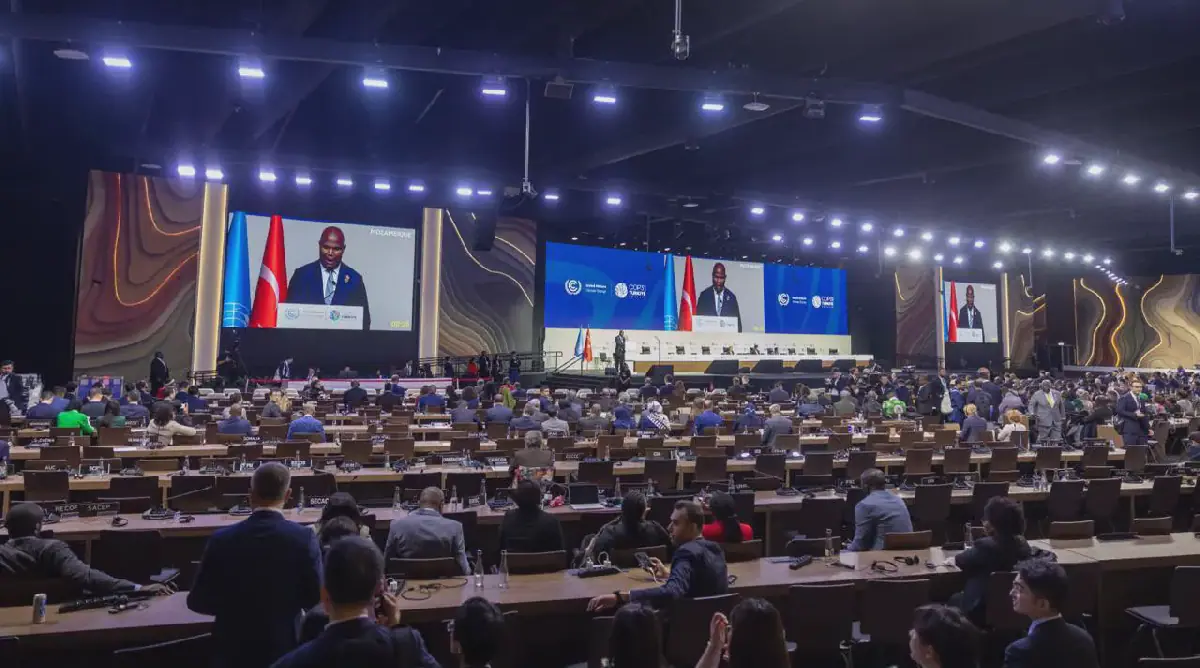
Mozambique has called for sustainable financing to expand and modernize its electrical infrastructure at the 31st United Nations Climate Change Conference (COP31). The country's Minister of Finance, Carla Loveira, presented the position on behalf of the government during a meeting to launch the Global Grids Accelerator, a UN initiative to boost the development and expansion of electrical grids. Loveira emphasized the need to transform Mozambique's hydro, solar, and wind potential into concrete benefits for the population through investments in production, transportation, and distribution infrastructure.
The Mozambican government has reaffirmed its commitment to achieving universal access to electricity by 2030 through the National Energy for All Program, reinforced by the adhesion to Mission 300 and the implementation of the National Energy Pact. The strategy involves expanding and densifying the conventional electrical grid, complemented by off-grid solutions, mainly for rural communities and regions far from urban centers. This expansion aims to cover essential sectors, including health and education, to improve the functioning of health units and enhance learning conditions in schools.
The availability of energy is expected to contribute to job creation, the development of small and medium-sized enterprises, and the dynamization of agricultural, industrial, and commercial activities. The initiative also aims to create conditions for increased national production and household incomes through greater energy availability for productive activities. Mozambique's push for sustainable financing seeks to balance the development needs of the energy sector with public finance sustainability.
During the meeting, Mozambique emphasized the need to mobilize financial resources to concretize the investments planned for expanding electrical grids. The country highlighted the importance of transforming its renewable energy potential into tangible benefits for the population. This approach aligns with the global effort to accelerate access to electricity and improve living conditions while ensuring public debt sustainability.
The Global Grids Accelerator initiative aims to boost the development and expansion of electrical grids worldwide. By supporting this initiative, Mozambique seeks to leverage international cooperation and financing to enhance its energy infrastructure. The country's participation in this global effort underscores its commitment to addressing climate change and promoting sustainable development.
Mozambique's strategy to expand access to electricity involves a multi-faceted approach, including grid expansion, off-grid solutions, and investments in energy infrastructure. The government aims to improve the lives of its citizens by providing reliable and sustainable energy. This approach is expected to have a positive impact on the country's economic development, poverty reduction, and environmental sustainability.
The Mozambican government's efforts to secure sustainable financing for electrification have been recognized internationally. The country's commitment to achieving universal access to electricity by 2030 aligns with global goals to promote sustainable development and reduce poverty. As Mozambique continues to push for sustainable financing, it is likely to face challenges in balancing its development needs with public finance sustainability.
Key points
- Mozambique seeks sustainable financing to expand and modernize its electrical infrastructure.
- The country aims to achieve universal access to electricity by 2030 through the National Energy for All Program.
- The initiative aims to create conditions for increased national production and household incomes through greater energy availability for productive activities.
Reporting sources
- MOÇAMBIQUE PROCURA FINANCIAMENTO SUSTENTÁVEL PARA ELECTRIFICAÇÃO · Boletim da República