A recent report by the UN Human Rights Office has highlighted the devastating impact of drone strikes on civilians in Sudan. The report, covering the first half of 2026, documents trends and patterns consistent throughout the conflict, including targeting of civilians and civilian objects, indiscriminate attacks, and reprisals against civilians accused of collaboration. The report raises concerns about unlawful killings, arbitrary detention, and erosion of civic space.
According to the report, at least 1,390 civilians were killed in the conflict between January and June 2026, with over 80 percent of these casualties resulting from drone strikes. In the following four months, another 840 civilians were killed, with close to 520 dying in drone strikes. The total civilian death toll from January to October is over 2,230, with over 1,630 killed by drones. The actual figures are likely higher, as these are only confirmed numbers.
The report states that despite shifting battle lines and evolving military tactics, the toll on Sudanese civilians has remained consistent. UN High Commissioner for Human Rights Volker Türk emphasized that the findings provide evidence of the ceaselessly unbearable civilian suffering in Sudan and the warring parties' disregard for the laws of war. The report documents serious violations of international humanitarian law, which may amount to war crimes.
Civilians in the Kordofan region were most heavily impacted, accounting for over two-thirds of documented civilian casualties, followed by the Darfur region. Eastern and central areas of Sudan, particularly White Nile, were also affected by drone attacks. Markets, hospitals, schools, fuel supplies, water sources, displacement sites, and civilian vehicles were struck, often repeatedly.
The UN Human Rights Office documented at least 39 drone strikes on markets, 20 on civilian vehicles, 17 on fuel tankers and depots, and 16 on health facilities in the first half of 2026. These strikes raise concerns about compliance with the rules of war protecting civilians and civilian objects. Drone attacks on markets, looting, and restrictions on movement have severely undermined access to food.
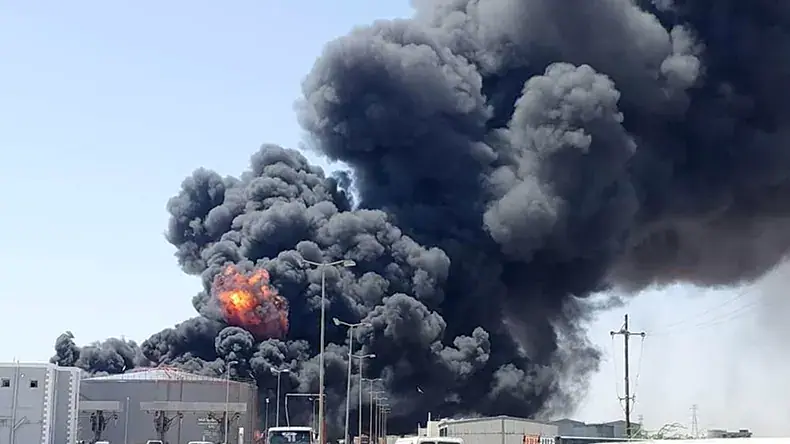
The report also notes a worrying trend of intensification of drone strikes targeting power stations and fuel supply. In just over two weeks in October and November, 29 drone strikes attributed to the Rapid Support Forces hit electricity facilities and fuel stations across 11 states, triggering widespread power blackouts and fuel shortages. These strikes had a devastating impact on civilians and essential services.
Accountability for perpetrators is essential to breaking cycles of violence and preventing further violations, the report adds. High Commissioner Türk stressed that parties to the conflict must protect civilians and uphold their international law obligations. The world is watching, and it is crucial for the parties to take responsibility for their actions and ensure the protection of civilians.
Key points
- Over 2,230 civilians killed in Sudan conflict from January to October 2026
- Drone strikes responsible for over 80 percent of civilian casualties in Sudan conflict
- UN report documents serious violations of international humanitarian law, which may amount to war crimes