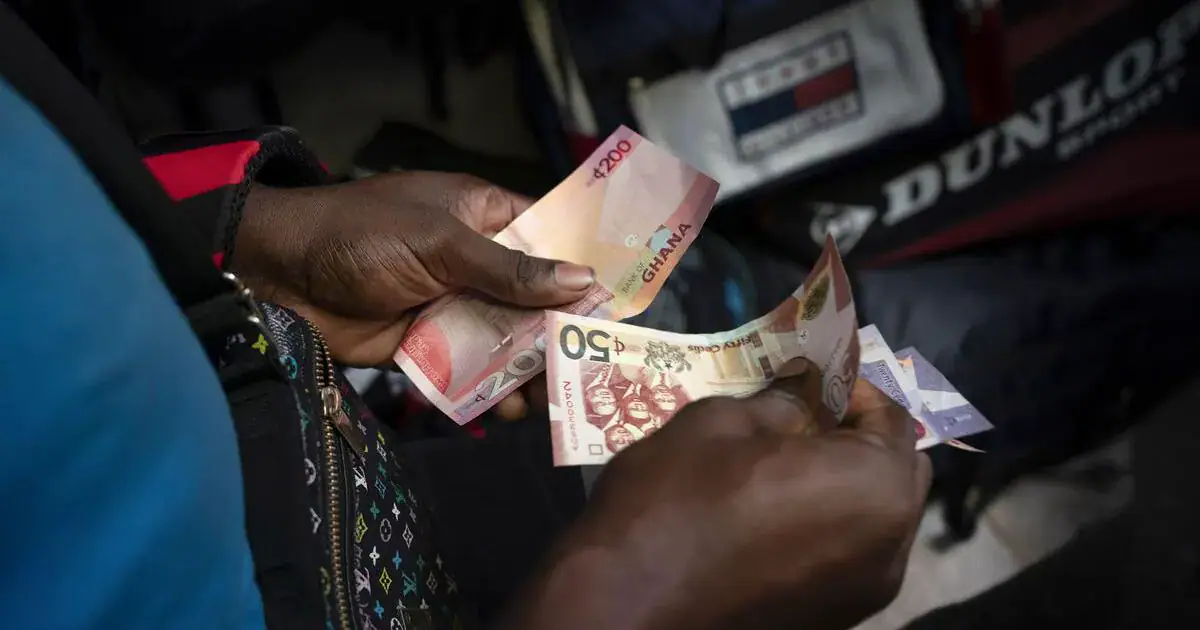
As the final weeks of 2026 approach, financial planner Patrick Baah Abankwa is urging Ghanaians to take control of their finances and prepare for a successful 2027. With the new year just around the corner, Abankwa emphasizes the importance of making informed financial decisions that can shape one's financial future. He recommends that individuals review their spending habits, prepare a budget, set priorities, improve skills, and break annual goals into manageable targets.
The first step Abankwa recommends is to review what you need to stop doing. This involves taking stock of habits, commitments, and expenses that have drained money and time over the past year without providing meaningful value. Unnecessary subscriptions, impulse purchases, and avoidable expenses can be identified and eliminated to create room for better financial decisions and new opportunities. By doing so, individuals can make more deliberate spending decisions and allocate their resources more efficiently.
Preparing a realistic financial plan is the second step Abankwa suggests. A budget should be prepared before the new year begins, accounting for fixed living expenses, an emergency fund, and regular investments. Assigning every cedi a purpose can help individuals understand where their money goes and make more informed spending decisions. Financial stability requires structure and consistency rather than guesswork, and a well-planned budget can provide the necessary framework for achieving financial goals.
Abankwa also recommends choosing three biggest priorities that could make a meaningful difference to one's career, business, or personal life. Rather than creating a long list of resolutions, having fewer, clearly defined goals can make it easier to allocate time, money, and effort towards what matters most. This approach can help individuals focus on what is truly important and make progress towards their goals.
Investing in a valuable skill is another key step Abankwa suggests. Improving skills can open up opportunities for career growth, business development, and additional income. Identifying one skill to acquire or strengthen in 2027 and deciding how to learn it can be a worthwhile investment. Books, online courses, educational videos, and guidance from experienced professionals can form part of the plan to acquire new skills.
Breaking annual goals into 90-day targets is also crucial, according to Abankwa. Annual goals can seem distant, making it easy to postpone action. By setting quarterly milestones, individuals can monitor progress and stay on track. For example, identifying what to accomplish by March 31, 2027, and outlining the steps required to get there can provide a clear roadmap for success.
In conclusion, preparing for 2027 does not have to involve complicated financial decisions or ambitious resolutions. By reviewing spending habits, budgeting, setting priorities, developing useful skills, and establishing measurable targets, Ghanaians can set themselves up for financial success in the new year. The key is to start early and turn those plans into consistent action.
Key points
- Review and adjust spending habits to eliminate unnecessary expenses.
- Prepare a realistic financial plan and budget for 2027.
- Break annual goals into manageable 90-day targets to monitor progress.