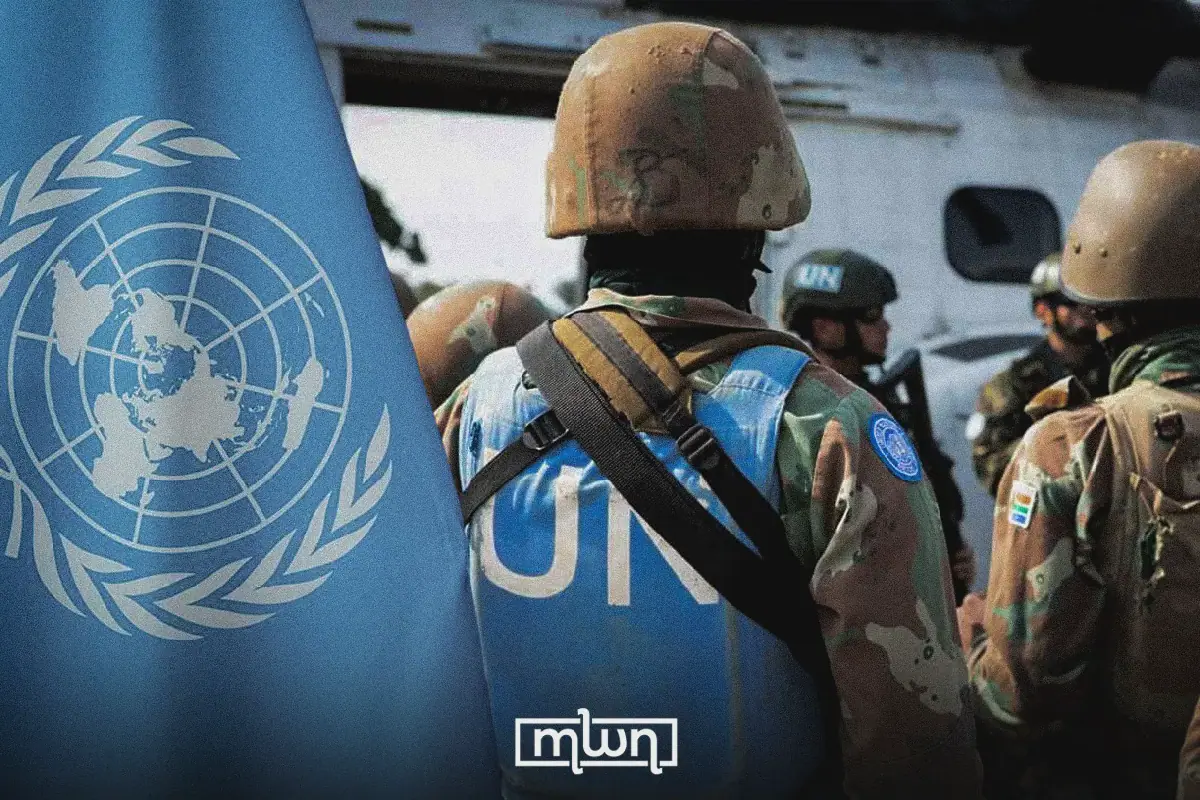
The UN peacekeeping paradigm, established in 1948, is being reevaluated due to its limitations in addressing structurally protracted conflicts. According to a recent investigation, 10 out of 18 peacekeeping missions observed between 1960 and 2026 ended without a controlled process. The median survival time of a ceasefire after the departure of UN forces is approximately 10.5 months, with a high probability of collapse in the absence of a relief mechanism.
The UN Charter does not explicitly mention peacekeeping, instead outlining peaceful settlement of disputes in Chapter VI and authorizing coercive measures in Chapter VII. This has led to the development of peacekeeping as an invented technique, based on three principles: consent of parties, impartiality of forces, and non-use of force except in self-defense. While peacekeeping operations proved effective during the Cold War, they face challenges in today's protracted conflicts, where parties often instrumentalize UN presence to freeze a status quo to their advantage.
In certain contexts, such as North Africa, states seek to perpetuate conflicts with neighboring countries to hinder their emergence and block regional ascent. This strategy aims to keep the adversary in a state of "neither peace nor war," leading to gradual exhaustion and eventual capitulation. Regimes often base their legitimacy on mobilizing the population against an external threat, diverting attention from internal failures. This dynamic of frozen conflicts is not limited to North Africa and has significant economic implications, generating a "crisis-driven rentier economy" that benefits militias, local merchants, and humanitarian actors.
The traditional peacekeeping paradigm is being challenged, with 56% of major missions between 1960 and 2026 experiencing unordered closures, including vetoes and withdrawals. The UN peace architecture, designed for controlled and sequenced closure, is in crisis. The concept of peacebuilding emerged in 1992 to address root causes of conflict and build "positive peace." However, multidimensional mandates have not always been effective in preventing mission closures.
Recent examples illustrate the challenges faced by UN peacekeeping missions. In 1999, China ended the UNPREDEP in Macedonia, and in 2009, Russia blocked the renewal of UNOMIG in Georgia. These cases demonstrate the vulnerability of peacekeeping missions to vetoes and withdrawals. On October 30, 2026, the United States submitted a draft resolution to overhaul MINURSO's mandate in the Sahara, but it was vetoed by Russia, highlighting the Achilles heel of the UN architecture.
The termination of peacekeeping missions poses a significant challenge in international law. The sovereignty of the host state is absolute, allowing it to withdraw consent at any time. However, this can lead to a lack of organization in post-mission processes, leaving a vacuum that can be exploited by various actors. The UN has struggled to develop a coherent approach to mission closures, often resulting in unilateral administrative liquidation.
The UN's inability to effectively conclude peacekeeping missions raises concerns about its ability to ensure lasting peace. The organization excels at deploying missions but struggles with exit strategies. As the UN continues to navigate complex conflicts, it must adapt its peacekeeping paradigm to address the challenges of frozen conflicts and ensure a more sustainable approach to conflict resolution.
Key points
- The UN peacekeeping paradigm faces significant challenges in addressing frozen conflicts, with many missions ending without controlled processes.
- The absence of a relief mechanism often leads to a high probability of conflict collapse after UN forces depart.
- The UN must adapt its peacekeeping approach to address the root causes of conflict and ensure a more sustainable exit strategy.