The South African Parliament has invited the public and interested parties to make written submissions on the Municipal Structures Amendment Bill, also known as the Coalitions Bill. The bill aims to regulate coalition governments in hung municipalities, which have increased in number over the years. According to the bill's memorandum, hung councils rose from 24 in 2000 to 81 after the 2021 local government elections. The bill was introduced ahead of the 2026 local government elections but was delayed due to the need for public participation.
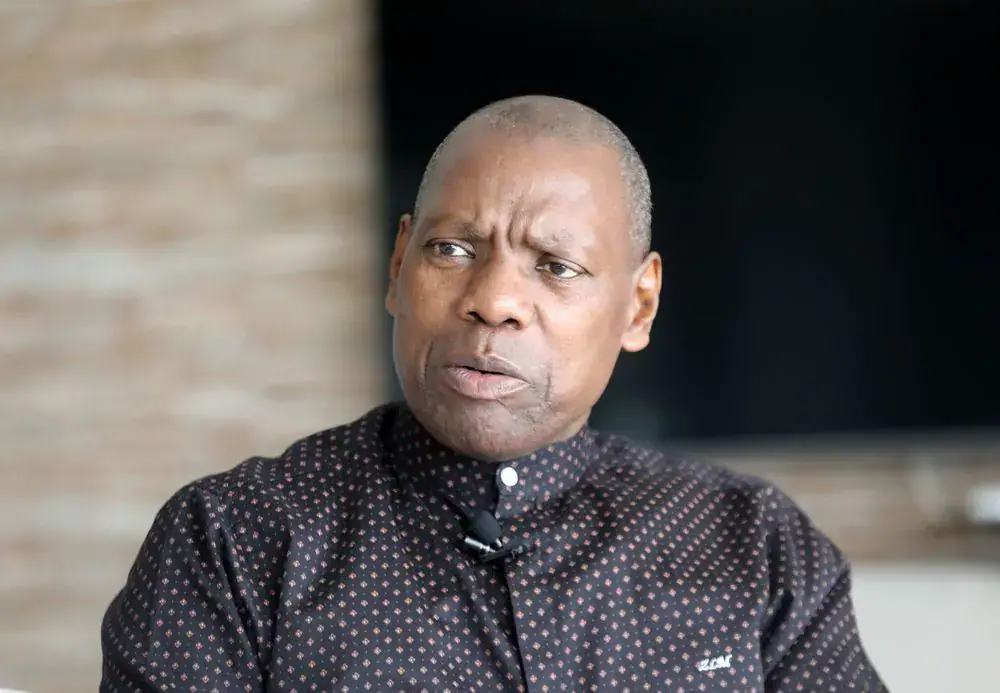
The 2026 local government elections resulted in 140 hung councils across the country, with KwaZulu-Natal leading with 35, followed by Northern Cape with 18, Western Cape with 16, Free State with 15, and Mpumalanga with 14. The bill proposes to extend the time for local councils to appoint representatives to district councils and for the first meeting of the council to be called after it has been declared elected. Chairperson of the Portfolio Committee on Cooperative Governance and Traditional Affairs, Zweli Mkhize, invited stakeholders to submit written comments by November 27.
The bill includes key amendments, such as requiring coalition parties to enter into a coalition agreement to regulate their participation in municipal governance. The signed agreement will be sent to MECs for local government and published in the provincial gazette. The Minister may prescribe the form and manner in which a coalition agreement may be concluded, including dispute resolution mechanisms. Motions of no confidence against the Speaker, whip, deputy or deputy mayor can be tabled once in a 12-month period.
Lobby group My Vote Counts has called for transparency in coalition agreements, stating that parties must disclose the principles guiding their coalition negotiations and non-negotiable policy commitments. They also requested that parties commit to publishing coalition agreements. My Vote Counts noted that coalition governments are a legitimate outcome of how voters distribute political power but emphasized the need for transparency and accountability.
The bill has been sparked by instability in some councils where there was no outright winner and a lack of guidelines for coalition governments. The Portfolio Committee on Cooperative Governance and Traditional Affairs aims to address these challenges through the Coalitions Bill. Cogta Minister Velenkosini Hlabisa outlined an induction programme for newly-elected councillors, developed in partnership with the South African Local Government Association and other sector stakeholders.
The Integrated Councillor Induction Programme is scheduled for implementation across all nine provinces between January 11 and March 5, 2027. The programme will be delivered over five days, with some training sessions taking place concurrently across different provinces and municipalities. Salga has submitted an application for funding for the programme, but the budget allocation has not yet been determined.
The Coalitions Bill aims to provide a framework for coalition governments in hung municipalities, promoting stability and accountability. The bill's provisions, including the requirement for coalition agreements and transparency, are expected to enhance the governance of municipalities. The public participation process will continue until November 27, allowing stakeholders to provide input on the bill.
Key points
- The bill proposes to regulate coalition governments in hung municipalities, which have increased in number over the years.
- The 2026 local government elections resulted in 140 hung councils across the country.
- The bill requires coalition parties to enter into a coalition agreement to regulate their participation in municipal governance.