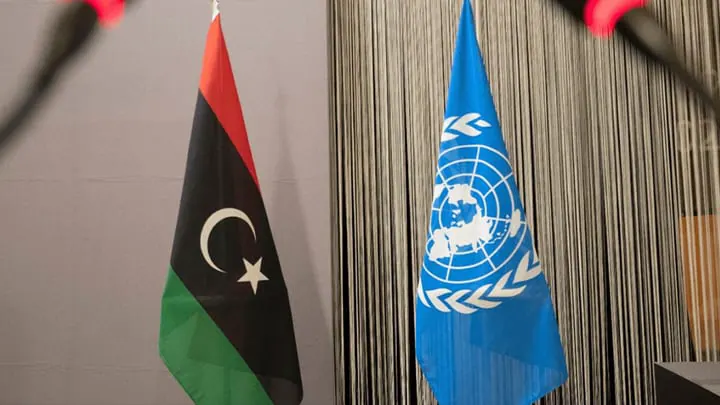
The United Nations Support Mission in Libya has called on civil society organizations and community leaders across the country to hold public meetings to discuss recommendations from the structured dialogue. The goal is to explore ways to convert these recommendations into actionable steps. The mission has prepared a set of guidance tools to facilitate these meetings, including a facilitator's guide and three informational booklets.
The recommendations were based on input from Libyans through electronic opinion polls and community-led meetings, reflecting a Libyan-led process aimed at supporting long-term stability, building effective institutions, and promoting inclusive participation. The mission's deputy special representative for political affairs, Stephanie Khouri, emphasized that Libyan voices should guide the next steps, contributing to advocacy efforts and shaping implementation mechanisms.
The UN Mission launched the structured dialogue in January 2026 to address the country's challenges and provide recommendations on key issues. The dialogue continued for six months, with around 120 Libyans participating, representing various regions and sectors. The recommendations focused on governance, security, economy, national reconciliation, and human rights, with proposals for short-term and long-term challenges in Libya.
Participants in the dialogue recommended forming a unified executive authority with a defined term and tasks, unifying sovereign institutions, and establishing a clear constitutional and electoral framework. They also suggested enhancing decentralization, expanding municipal powers, reforming public finance and oil resource management, and unifying military and security institutions.
The recommendations included supporting reconciliation and transitional justice pathways, combating corruption, and promoting inclusive participation. The UN Mission encouraged social actors and civil society institution representatives to organize and facilitate discussions, sharing their opinions and observations on implementing the recommendations.
The structured dialogue aimed to address critical issues in Libya, including governance, security, and economic challenges. The UN Mission's efforts focus on supporting Libyans in finding solutions to these challenges, promoting stability, and building effective institutions.
The UN Mission's call for public meetings reflects its commitment to engaging Libyans in the decision-making process and ensuring that their voices are heard. By converting the recommendations into reality, Libyans can work towards a more stable and prosperous future.
Key points
- The UN Mission in Libya is urging civil society organizations and community leaders to hold public meetings to discuss recommendations from the structured dialogue.
- The recommendations focus on key issues such as governance, security, economy, national reconciliation, and human rights.
- The UN Mission is providing guidance tools to facilitate the meetings and encourage Libyan-led solutions to the country's challenges.