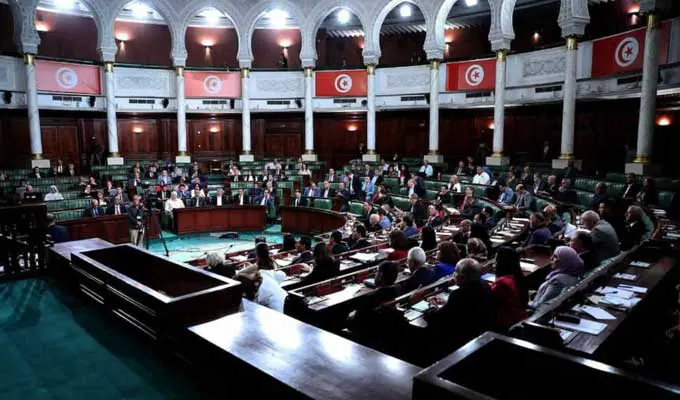
Tunisia's Assembly of People's Representatives (ARP) has expressed frustration with the government's lack of cooperation, particularly in providing essential financial reports and documents on time. The ARP's Finance and Budget Committee met on September 21, 2026, to discuss the issue. The committee criticized the government's tendency to delay submitting reports and documents, including the 2027 budget project, the Central Bank of Tunisia's (BCT) 2025 report, and data on the state's budget execution for the first half of 2026.
The delayed submissions have hindered the committee's ability to have a clear understanding of public finances, limiting its capacity to exercise its legislative and oversight powers. According to the Organic Budget Law, the government is required to present budget assumptions and orientations to the ARP by the end of July each year. However, the committee noted that this deadline was not met, causing concerns about the government's commitment to transparency and cooperation.
The ARP's Finance and Budget Committee emphasized that the delayed reports and documents are crucial for its work, enabling it to make informed decisions about the country's finances. The committee's criticism highlights the ongoing tensions between the parliament and the government in Tunisia. The issue has sparked concerns about the potential impact on the country's economic stability and the effectiveness of its financial management.
The government's delays have been attributed to various factors, including bureaucratic inefficiencies and a lack of coordination between ministries. However, the ARP's committee has stressed that such delays are unacceptable and undermine the parliament's ability to perform its constitutional duties. The committee has called for improved cooperation and communication between the government and the parliament to ensure more effective governance.
The issue has significant implications for Tunisia's economic development, as the ARP plays a critical role in overseeing the country's finances and ensuring accountability. The parliament's criticism of the government's lack of cooperation has sparked a renewed debate about the need for greater transparency and accountability in Tunisia's governance. The situation has also raised concerns about the potential risks to the country's economic stability and growth prospects.
In response to the criticism, the government has pledged to improve its cooperation with the parliament and provide the necessary reports and documents in a timely manner. However, it remains to be seen whether the government will take concrete steps to address the ARP's concerns and improve its working relationship with the parliament. The development has highlighted the ongoing challenges facing Tunisia's democratic institutions and the need for greater cooperation between the government and the parliament.
The controversy has also sparked concerns about the potential impact on Tunisia's relations with international partners, including the International Monetary Fund (IMF) and the World Bank. The country's economic stability and growth prospects are closely watched by international investors and donors, who emphasize the importance of good governance and transparency in their assessments of the country's creditworthiness and investment potential.
Key points
- The Tunisian parliament has criticized the government's lack of cooperation, citing delays in submitting key financial reports and documents.
- The delays have hindered the parliament's ability to exercise its legislative and oversight powers, sparking concerns about the country's economic stability and growth prospects.
- The issue has significant implications for Tunisia's economic development, highlighting the need for greater transparency and accountability in the country's governance.