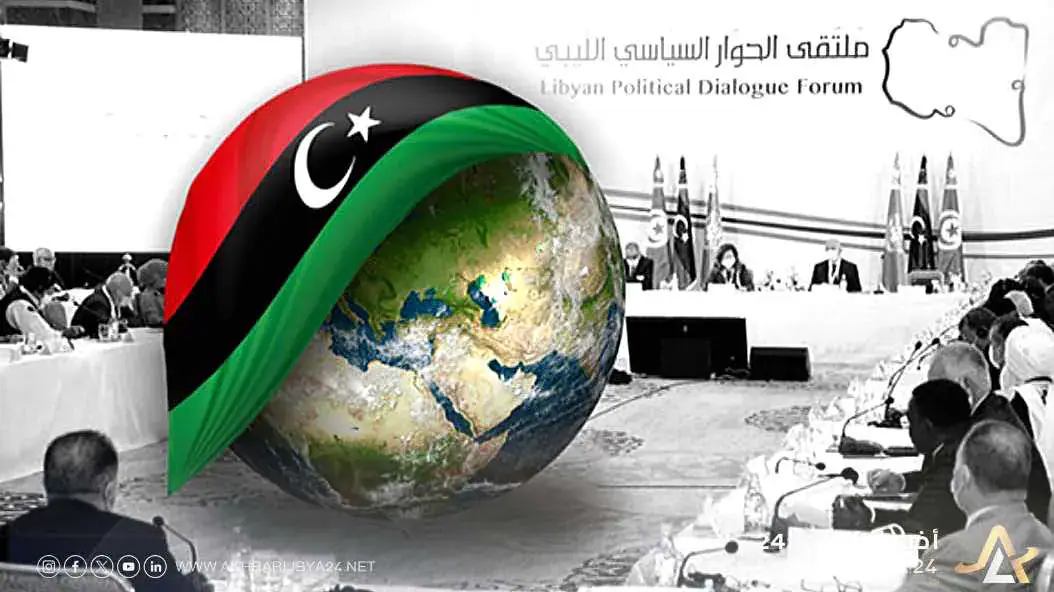
The United Nations is pinning its hopes on a recent agreement between Libyan parties to pave the way for long-delayed national elections. The '4+4' agreement, reached in August, aims to address the legal and constitutional hurdles that have hindered the electoral process. UN Assistant Secretary-General for Africa Martin Kymani said the deal represents a feasible path towards holding national elections in Libya.
The agreement focuses on overcoming the disputes that have stalled the presidential and parliamentary elections. It includes the reconstitution of the National High Electoral Commission and addressing the outstanding issues in the electoral framework. The parties to the agreement have committed to holding the elections within a unified executive authority and completing them within 24 months.
Kymani emphasized that the UN Mission in Libya will continue its consultations with Libyan parties to ensure the agreement's acceptance and facilitate its implementation. This will help pave the way for transitioning to the election phase and ending the current political and institutional stalemate. The UN aims to convert the understandings reached into concrete steps that can be implemented.
However, there are still significant challenges to overcome. The Libyan institutions have divergent views on the agreement, with the House of Representatives approving it in September, while the High Council of State rejected it in October. The rejection was due to concerns that some procedures exceeded the constitutional, legal, and consensual frameworks governing the political process.
The UN envoy to Libya, Hanna Tetteh, told the Security Council in October that the agreement represents a viable path to holding presidential and legislative elections within 24 months. However, she stressed that its success requires completing the adoption and implementation procedures and addressing the institutional and judicial divisions that could affect the integrity of the electoral process.
The '4+4' agreement is part of the UN Mission in Libya's efforts to implement its political roadmap, which aims to create conditions for holding elections, unifying state institutions, and ending the transitional phase. The consultations for the agreement began in April, and the parties reached a deal in August that addressed the reconstitution of the electoral commission and the settlement of disputes over electoral laws.
Despite the agreement being a step forward in the settlement process, the continued disagreement between institutions on its adoption and implementation raises questions about the ability of Libyan parties to translate understandings into concrete actions. The country still faces a deep-seated political and institutional divide that hinders progress toward elections that would end the transitional phases.
Key points
- UN Assistant Secretary-General for Africa Martin Kymani expressed hope that the '4+4' agreement will help end the political deadlock in Libya.