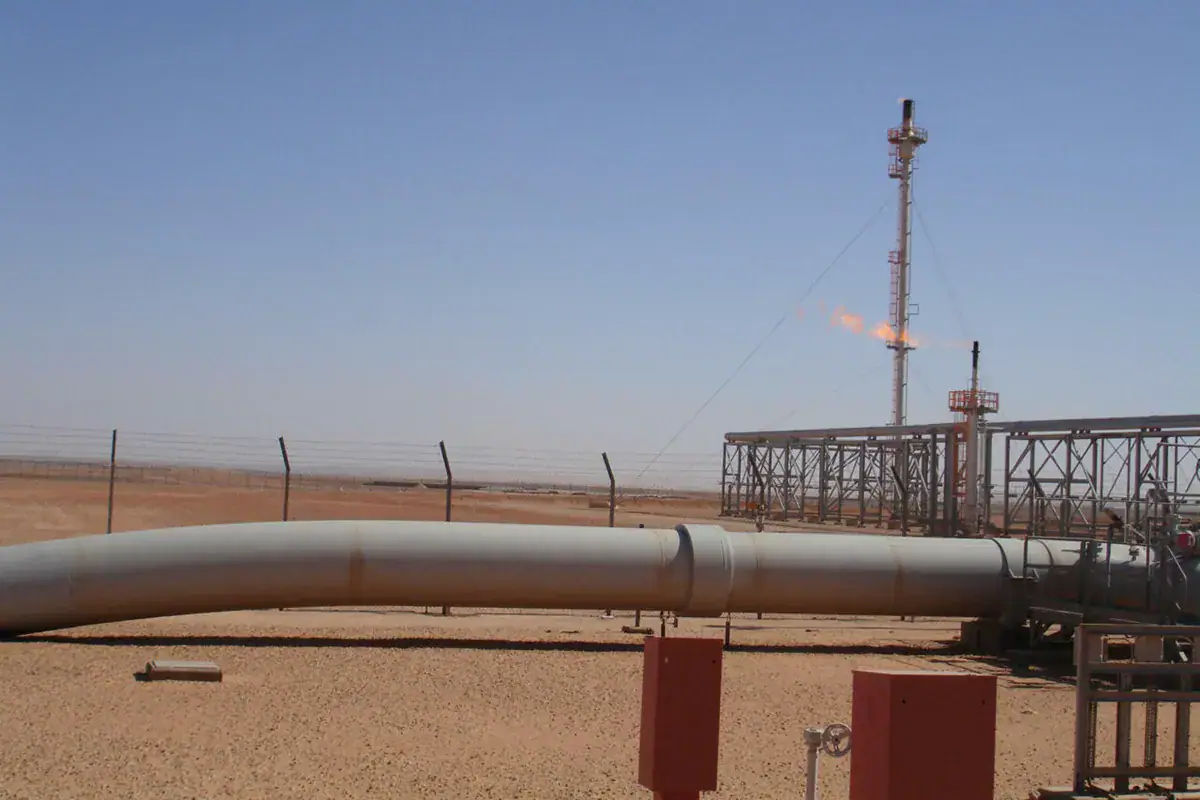
The Trans-Saharan Gas Pipeline project, also known as NIGAL, has taken a significant step forward with Algeria, Nigeria, and Niger agreeing on its financing structure. The 4,327-kilometer pipeline will transport gas from Nigeria to Algeria's network, with a planned capacity of 20-30 billion cubic meters per year. The project is expected to be operational for thirty years, boosting energy exports to European markets.
The Nigerian National Petroleum Company, Sonatrach of Algeria, and the Nigerien Société des produits pétroliers will jointly develop the project, with the first two holding 90% of the stakes and the Nigerien company holding the remaining 10%. According to Bashir Bayo Ojulari, director-general of the Nigerian National Petroleum Company, the project's cost is estimated to be between $10 and $13 billion. A final investment decision is expected in 2027.
The pipeline will start from Kano in Nigeria, traverse Niger, and connect to Algeria's Hassi R'Mel gas hub. The Algerian section of the pipeline, which accounts for over 2,400 kilometers, will utilize existing infrastructure for nearly half of its length. Construction on the Algerian segment began in June 2026, with Sonatrach financing and building the Nigerien section, expected to start next year.
The project aims to tap into Nigeria's and Algeria's gas resources, channeling them into European markets through existing infrastructure. The Algerian government has expressed optimism about the project's prospects, citing its potential to strengthen the country's position as a key energy supplier. Algeria's energy minister, Mohamed Arkab, attended the launch of the Algerian segment in June 2026.
The Trans-Saharan Gas Pipeline project has been hailed as a strategic development for the region, fostering cooperation between Algeria, Nigeria, and Niger. The project is also expected to boost economic growth and create new opportunities for energy export. With a final investment decision anticipated in 2027, the project's implementation is set to move forward.
The pipeline's development has sparked interest in the region, with many stakeholders watching its progress closely. Algeria's Sonatrach and Nigeria's NNPC have confirmed their commitment to the project, which is poised to reshape the energy landscape in West Africa. The project's timeline and prospects will be closely monitored in the coming years.
The Trans-Saharan Gas Pipeline project has significant implications for the region's energy sector, with potential benefits extending beyond the three partner countries. As the project advances, it is expected to create new economic opportunities, drive growth, and strengthen regional cooperation. Key aspects of the project include its 4,327-kilometer length, planned capacity of 20-30 billion cubic meters per year, and estimated cost of $10-13 billion.
Key points
- The Trans-Saharan Gas Pipeline project aims to transport 20-30 billion cubic meters of gas per year from Nigeria to Algeria's network, boosting energy exports to European markets.
Reporting sources
- Gazoduc transsaharien : le financement basé, une décision visée en 2027 · maghrebemergent.com