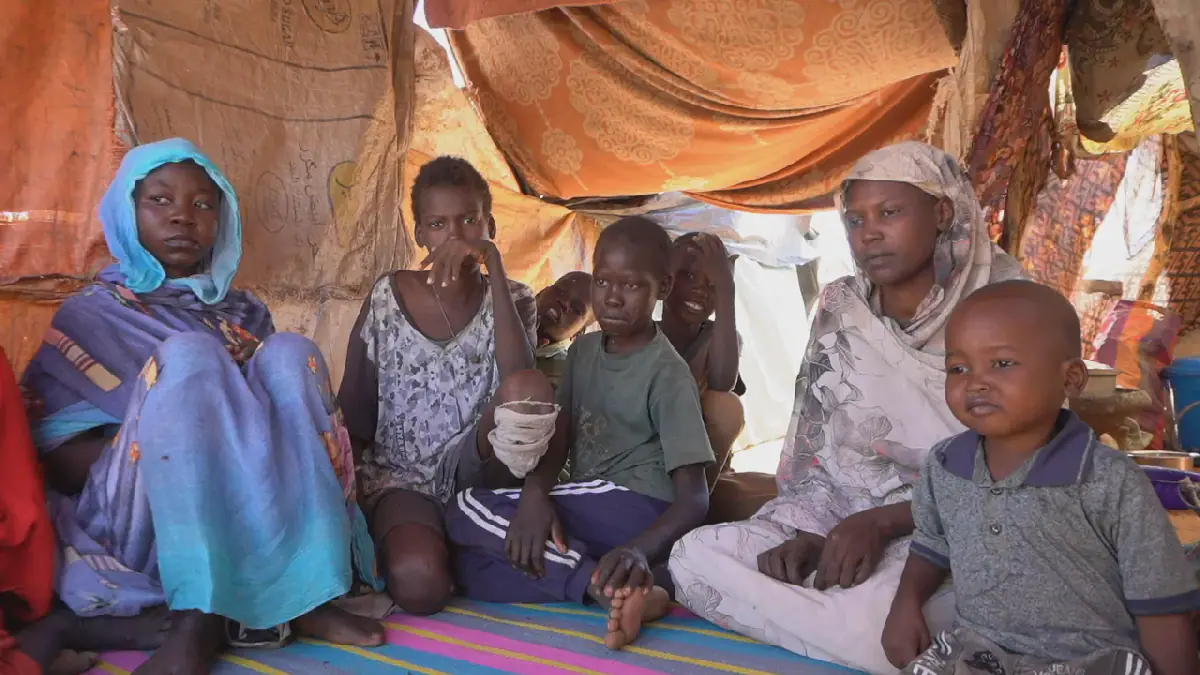
The United Nations has marked one year since the El Fasher attack in Sudan, which pushed violence to new levels. A UN official expressed concern that the current siege on cities in Kurdufan and Blue Nile could lead to a new wave of violence, similar to previous atrocities. The attack occurred on October 27, 2025, and has had lasting impacts, with many still displaced and searching for missing family members.
The UN's Special Adviser on the Prevention of Genocide, Chaloka Biyani, emphasized the need for immediate action to prevent further atrocities. He called for a ceasefire, withdrawal of forces from cities, and a credible peace process. Biyani also stressed the importance of addressing the root causes of violence and ensuring accountability for past crimes. The UN is working to support efforts to achieve a lasting peace in Sudan.
The International Independent Fact-Finding Mission on Sudan, led by Mohamed Chandi Othman, reported that investigations revealed patterns of behavior that may constitute genocide in El Fasher and surrounding areas. Othman stated that the situation a year ago was one of the most serious incidents documented by the mission since the conflict began. The mission's findings highlight the need for accountability and measures to prevent further violence.
Othman also noted that, one year on, accountability for serious violations remains largely absent. He emphasized that protecting civilians in Sudan requires more than just documenting violations after they occur. It demands sustained diplomatic engagement, efforts to achieve accountability, and guarantees of humanitarian access. The situation in Sudan remains a pressing concern for the international community.
Nemat Ahmadai, head of the Darfur Women for Action organization, described the devastating impact of the El Fasher attack. She reported that 15,000 people were killed in less than a month, and many more were displaced. Ahmadai believes that the international community failed the Sudanese people, particularly those in Darfur, and that the attack could have been prevented.
Ahmadai also highlighted the role of external parties in supporting the militias involved in the conflict. She questioned how many more Sudanese people must die before the international community takes action. The UN and other international organizations are working to address the crisis in Sudan and prevent further atrocities.
The UN and other stakeholders are emphasizing the need for a comprehensive and inclusive peace process in Sudan. This includes addressing the root causes of violence, ensuring accountability for past crimes, and providing support to victims and their families. The international community is urged to take a proactive and sustained approach to preventing further atrocities in Sudan.
Key points
- The UN has called for a ceasefire and withdrawal of forces from cities to prevent further atrocities in Sudan.
- The International Independent Fact-Finding Mission on Sudan reported patterns of behavior that may constitute genocide in El Fasher and surrounding areas.
- The international community is urged to take a proactive and sustained approach to preventing further atrocities in Sudan.