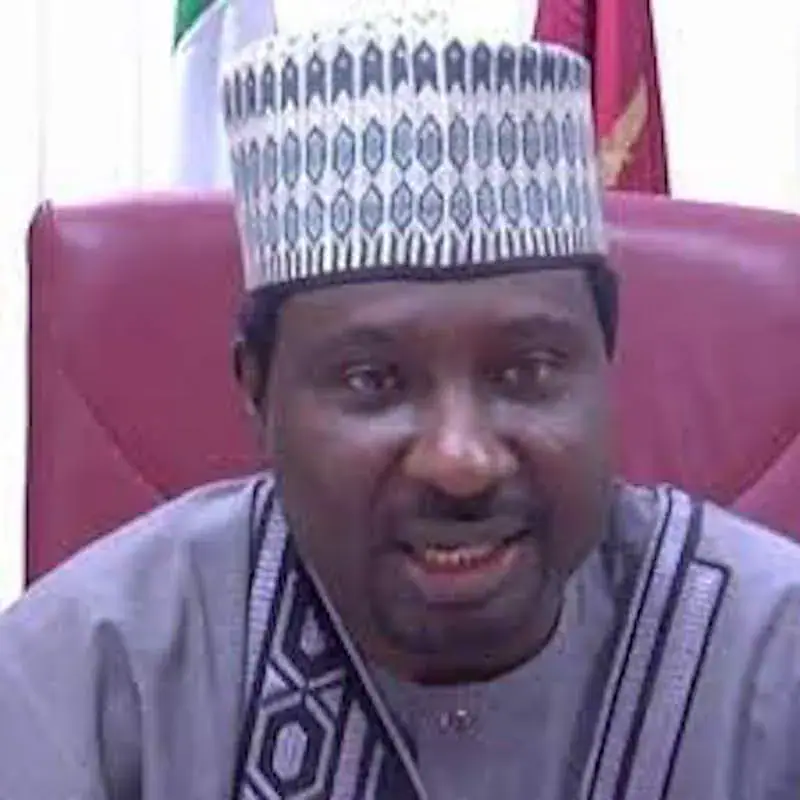
Nigeria's Deputy Senate President, Senator Jibrin Barau, has challenged former Vice-President Yemi Osinbajo's pessimistic view of the country's economy and democratic governance. Barau insists that President Bola Tinubu's administration is tackling long-standing structural challenges but needs to communicate its policies and achievements more effectively to Nigerians. He made these remarks in Yola, Adamawa State, during a public lecture titled, ‘Democracy and Development: Rethinking the Leadership Question.’
Barau acknowledged the validity of concerns raised by Osinbajo, particularly those relating to economic hardship, declining public confidence in democratic institutions, and inadequate youth participation in electoral politics. Osinbajo had expressed concern about growing dissatisfaction with democratic governance across Africa, despite nearly three decades of uninterrupted democratic rule in several countries. He highlighted widespread economic anxiety, declining public confidence in government, rising living costs, unemployment, inadequate healthcare, and diminishing youth participation in electoral processes.
According to Osinbajo, Afrobarometer surveys revealed that 64 per cent of Africans preferred democracy to other forms of government, but only 38 per cent were satisfied with how democracy was functioning in their respective countries. He also cited survey findings indicating that 59 per cent of Africans considered their national economies to be in bad shape, while 51 per cent believed their economies had deteriorated. Osinbajo warned that persistent economic hardship and the failure of democratic institutions to meet citizens’ expectations could undermine public confidence in democracy, particularly among young people.
Responding to Osinbajo's presentation, Barau praised his intellectual depth but questioned whether the gloomy picture reflected the full extent of government interventions and ongoing efforts to address the country’s challenges. Barau identified inadequate communication between political leaders and citizens as a major factor contributing to public dissatisfaction. He argued that governments needed to do more to explain the policies and programmes designed to improve living conditions.
Barau cited the NELFUND and highway projects as examples of the Tinubu administration's efforts to address the country's challenges. He emphasized the need for effective communication to ensure that citizens understand the government's policies and programmes. The Deputy Senate President also described Osinbajo's presentation as thought-provoking, which compelled him to make some comments despite initially intending to avoid speaking at the birthday celebration.
The public lecture was organised to mark the 59th birthday of Governor Ahmadu Umaru Fintiri. Barau's comments highlight the ongoing debate about the state of Nigeria's economy and democratic governance. The discussion underscores the need for effective communication between political leaders and citizens to address public dissatisfaction and promote democratic governance.
The disagreement between Barau and Osinbajo reflects the complexities of Nigeria's economic and democratic challenges. The country's leaders must work to address these challenges and communicate their efforts effectively to citizens. By doing so, they can promote public confidence in democratic governance and improve living conditions for Nigerians.
Key points
- Deputy Senate President Jibrin Barau challenges former Vice-President Yemi Osinbajo's gloomy economic assessment.
- Barau cites inadequate communication between political leaders and citizens as a major factor contributing to public dissatisfaction.
- The Tinubu administration is working to address Nigeria's challenges, including through initiatives like NELFUND and highway projects.