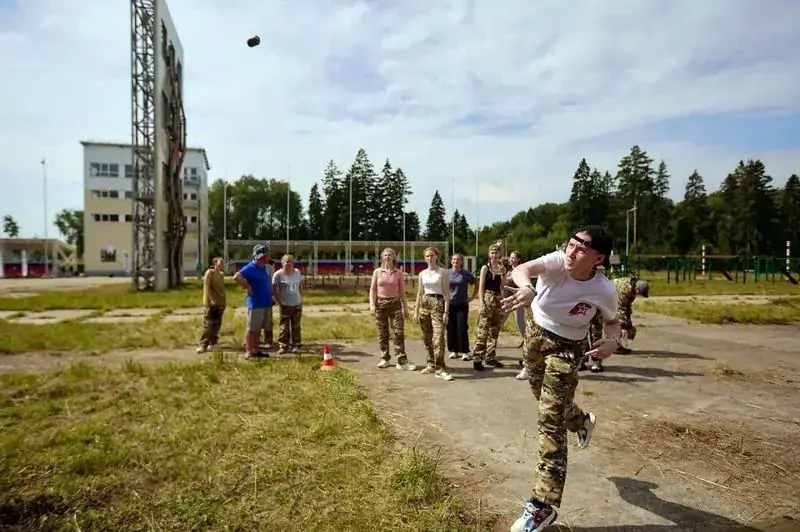
Ukrainian children living in Russian-occupied territories are facing severe human rights abuses, including abduction, torture, and forced participation in the Russian military. According to Ukraine's human rights commissioner, Dmytro Lubinets, about 1.6 million children reside in these areas, where crimes against them are committed daily. The occupation has endangered the lives of Ukrainian minors, particularly boys, who are being targeted by Russian forces.
Oleh, a 20-year-old Ukrainian, recounts his harrowing experience of being tortured by Russian troops at the age of 16. He was imprisoned, subjected to electric shocks, and beaten with rubber batons for fighting for Ukraine's independence in his hometown of Dniprorudne. Oleh and five of his friends were held in a Russian torture facility, where they endured physical and psychological abuse. Their ordeal began when they were caught tearing down Russian flags and distributing handmade leaflets urging Russian soldiers to leave.
The town of Dniprorudne, located in the Zaporizhzhia region of southern Ukraine, has been a site of intense conflict since Russia's invasion began. Residents initially formed human barriers against Russian tanks, but eventually retreated when the Russians started shooting. The town's mayor, Yevhen Matvieiev, was among the first to be abducted and later beaten to death in a Russian remand prison. Ukrainian journalist Viktoriia Roshchyna also suffered a similar fate after traveling to the occupied part of the region.
Oleh's torture involved being handcuffed, having a black bag placed over his head, and being subjected to electric shocks. The shocks, delivered using a field telephone known as a "tapik," caused intense pain and could have been fatal if prolonged. This practice has been documented as a widespread form of torture in Russian facilities, with Ukrainians detained in several regions under occupation reporting similar experiences.
The Reckoning Project, an international initiative, has documented war crimes against Ukrainian civilians since March 2022. The organization has recorded the use of electric shocks as a common practice in Russian torture facilities, with detainees in Kherson, Izyum, and Melitopol reporting similar abuses. Oleh and his friends were held in cells and interrogated over two months, facing beatings and threats with weapons.
Oleh's ordeal eventually came to an end when the Russian soldiers and FSB officers who had questioned him left Dniprorudne. Their replacements did not want to deal with minors, and the teenagers were released. However, Oleh's experience has left lasting psychological scars, and he has been receiving therapy and taking antidepressants in Kyiv. He notes that some of his friends who remained under occupation eventually gave in to Russian pressure and enlisted in the Russian army.
The situation for Ukrainian children in Russian-occupied territories remains dire, with many facing forced assimilation and recruitment into the Russian military. Oleh's story serves as a testament to the resilience of Ukrainian youth in the face of extreme adversity. As the conflict continues, the international community remains concerned about the welfare of these children and the need for accountability for human rights abuses committed by Russian forces.
Key points
- Ukrainian children in Russian-occupied territories face daily crimes, including abduction, torture, and forced participation in the Russian military.
- The use of electric shocks as a form of torture has been documented in Russian facilities, with Ukrainians in several regions reporting similar experiences.
- The international community has expressed concern about the welfare of Ukrainian children in occupied territories and the need for accountability for human rights abuses.