In South Sudan, the persistence of violence and broken promises has led to widespread skepticism among citizens. Despite numerous peace agreements and ceasefires, including the December 2017 ceasefire, the United Nations has documented repeated violations. This has resulted in a lack of trust in leaders, with many questioning the value of their promises. The UN Commission on Human Rights in South Sudan has documented how politically connected elites have diverted public revenue while essential services have gone short.
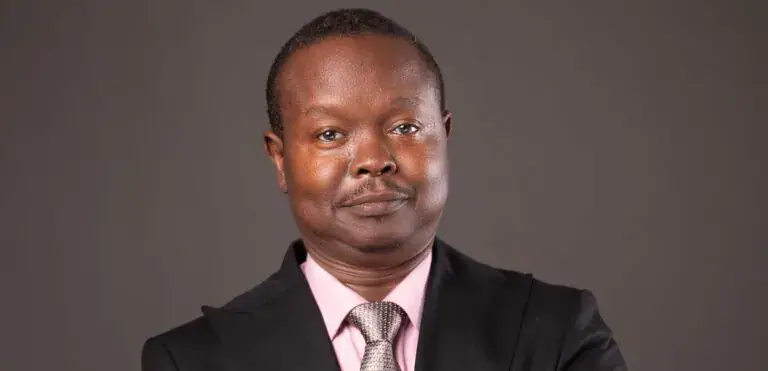
A credible national dialogue is crucial to address the divisions within the country and to rebuild trust between citizens and leaders. Dr. Remember Miamingi, in a letter to the South Sudanese people, emphasized that such a dialogue should start with communities speaking to one another about their concerns and deciding how they want to live together and govern themselves. This process would allow new leaders to earn their communities' trust and be accountable to the people.
The Citizens' Assembly on South Sudan's Future, proposed by Dr. Miamingi, aims to provide a platform for citizens to discuss their concerns and shape decisions that affect their lives. The Assembly should have independent conveners and allow citizens to choose their representatives and raise their own concerns. Political and military leaders may present their views, but the agenda should belong to the citizens.
Those who hold power owe citizens three things before asking for their trust: safety, an answer, and justice. In 2017, the parties agreed to stop fighting, protect civilians, and allow humanitarian aid through. However, the UN Mission in South Sudan has continued to call for civilian protection and humanitarian access. The parties must ensure that citizens can participate safely in the dialogue.
The second thing that those in power owe citizens is an answer. Citizens must be able to follow through on commitments and ensure that their voices are heard. The experience of South Sudanese women, who organized across their differences during the talks that led to the 2018 agreement, shows why citizens must be able to hold leaders accountable.
The third thing that those in power owe citizens is justice. The 2018 agreement provides for the Commission for Truth, Reconciliation and Healing, the Hybrid Court for South Sudan, and the Compensation and Reparation Authority. However, the UN Commission has reported that survivor representatives and others seeking to observe interviews for the truth commission were excluded.
Pursuing justice will not drive leaders from the negotiating table, and negotiations can continue while evidence is preserved and witnesses are protected. Colombia offers a practical example of how survivors can be heard during talks and justice can proceed independently. The state should acknowledge wrongdoing, apologize, and provide effective reparations for as long as the harm requires.
Key points
- Citizens have the right to demand accountability from leaders and to participate safely in national dialogues.
- A credible national dialogue should start with communities speaking to one another about their concerns and deciding how they want to live together and govern themselves.
- Those in power owe citizens three things: safety, an answer, and justice.
Reporting sources
- Letter| Our right to speak, to be answered and to seek justice · Radio Tamazuj