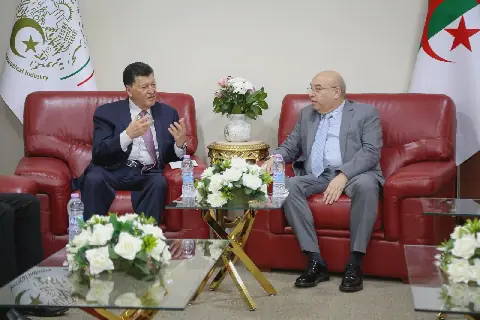
The Conseil National de Transition (CNT) of Mali has adopted an ordinance on the status of villages, fractions, and quarters, marking a significant development in the country's administrative landscape. The ordinance, approved on November 19, 2026, at the Centre International de Conférences de Bamako, aims to refine the roles and structures of these local entities. This move is expected to have far-reaching implications for local governance and community organization.
One of the key innovations of this ordinance is the abolition of the mandate for advisors to village, fraction, and quarter chiefs. Additionally, the new law excludes the use of voting for the designation of these advisors, a change aimed at preserving the apolitical nature of traditional chieftaincy. This development reflects a broader effort to redefine the relationship between traditional and modern governance structures in Mali.
The adoption of this ordinance is part of a series of legislative activities by the CNT. On the same day, the CNT also approved a project of law ratifying an ordinance related to the creation of the Société des Textiles du Mali (STM-SA). This move is expected to boost the textile industry in Mali, potentially creating jobs and stimulating economic growth.
The CNT's activities have not been limited to these ordinances. The council has also given its approval for the ratification of a loan agreement between the Malian government and the Banque Ouest-Africaine de Développement (BOAD). This financing will likely support key infrastructure projects, further underscoring the CNT's role in driving Mali's development agenda.
In addition to these legislative and financial decisions, the CNT has been involved in efforts to address social and health challenges. For instance, the council has taken steps to enhance the functioning of the Centre de Formation Professionnelle Aoua Keïta, a vocational training center. This center plays a crucial role in equipping young Malians with the skills needed in the job market.
The CNT's recent sessions have demonstrated its commitment to comprehensive governance, tackling issues ranging from local administration and economic development to social welfare and health. The council's work is critical in shaping Mali's future, especially during a period marked by significant challenges and opportunities.
As Mali continues to navigate its development path, the role of the CNT in guiding and supporting key initiatives will be closely watched. The adoption of the ordinance on village, fraction, and quarter status is a clear indication of the council's proactive approach to addressing pressing governance issues.
Key points
- The CNT's adoption of the ordinance on village, fraction, and quarter status marks a significant shift in Mali's local governance landscape.